Plastic Manufacturing Cost Estimator
Estimate your per-unit costs by adjusting production variables. This tool breaks down the five key cost drivers identified in modern plastic manufacturing.
Production Parameters
Higher volumes reduce tooling cost per unit.
£
£
£
£
0%
3%
20%
Estimated Unit Cost
£0.00
+ £0.00 tooling amortization
Cost Breakdown Per Unit
Raw Material
£0.00
Energy & Machine Time
£0.00
Labor & Overhead
£0.00
Waste/Scrap Impact
£0.00
Tooling Amortization
£0.00
Total Production Run Cost:
£0.00
Note: Scrap rates increase effective material and energy costs because you must produce extra units to get the desired number of good parts. Tooling is a fixed cost spread over the total volume.
You pick up a plastic water bottle for £1. It looks cheap. It feels light. But have you ever wondered if the factory making it is actually struggling to stay profitable? The short answer is no, plastic isn't expensive to make in terms of unit cost compared to glass or metal. But that simple statement hides a messy reality. The cost of making plastic swings wildly based on oil prices, energy bills, and how much waste you create. If you are running a small injection moulding shop in Birmingham or managing procurement for a large brand, understanding these cost drivers is the difference between profit and loss.
Most people assume plastic is expensive because we hear so much about the environmental cleanup costs. That’s a different expense. We are talking about the hard cash it takes to turn raw pellets into a finished product today. Let’s break down where your money actually goes when you press "start" on a production run.
The Raw Material Reality: It’s All About Oil
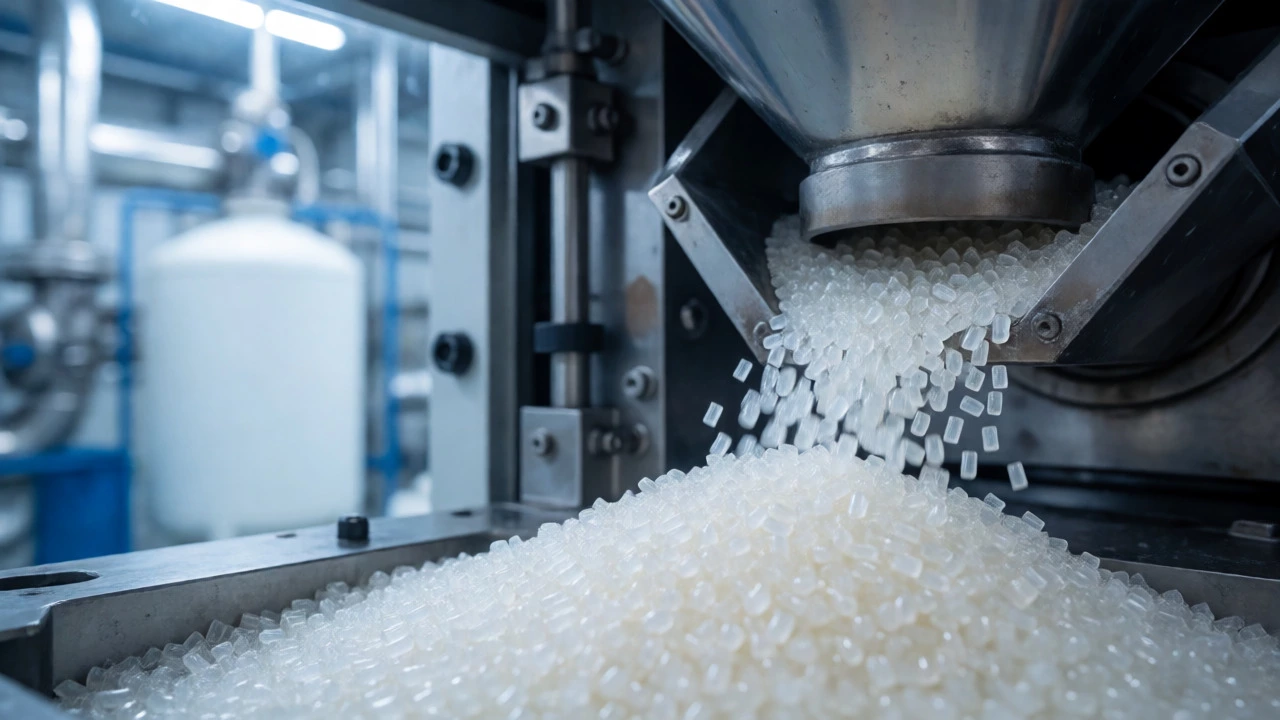
Here is the biggest factor nobody talks about enough: plastic is essentially solidified oil. Most common plastics, like polyethylene (PE) and polypropylene (PP), are derived from natural gas and crude oil. When oil prices spike, plastic resin prices follow within weeks. There is no buffer. If Brent Crude jumps by $10 a barrel, your supplier will likely raise their quote before you even finish your morning coffee.
This volatility makes budgeting a nightmare. In 2026, with global energy markets still stabilizing after recent geopolitical shifts, resin prices can fluctuate by 15-20% in a single quarter. For a manufacturer producing millions of units, this eats margins alive. You aren’t just paying for the material; you’re paying for market uncertainty. Many companies hedge against this by buying futures contracts, but smaller manufacturers often get squeezed out by larger players who can lock in bulk rates months in advance.
It’s not just about the price per kilogram, though. It’s about the type of resin. Commodity plastics like HDPE (used in milk jugs) are dirt cheap because they are produced in massive volumes. Engineering plastics like PEEK or Polycarbonate, used in medical devices or car parts, cost ten times more. Why? Because the chemical processes to create them are complex, require higher purity levels, and involve fewer suppliers globally.
Energy Consumption: The Hidden Killer
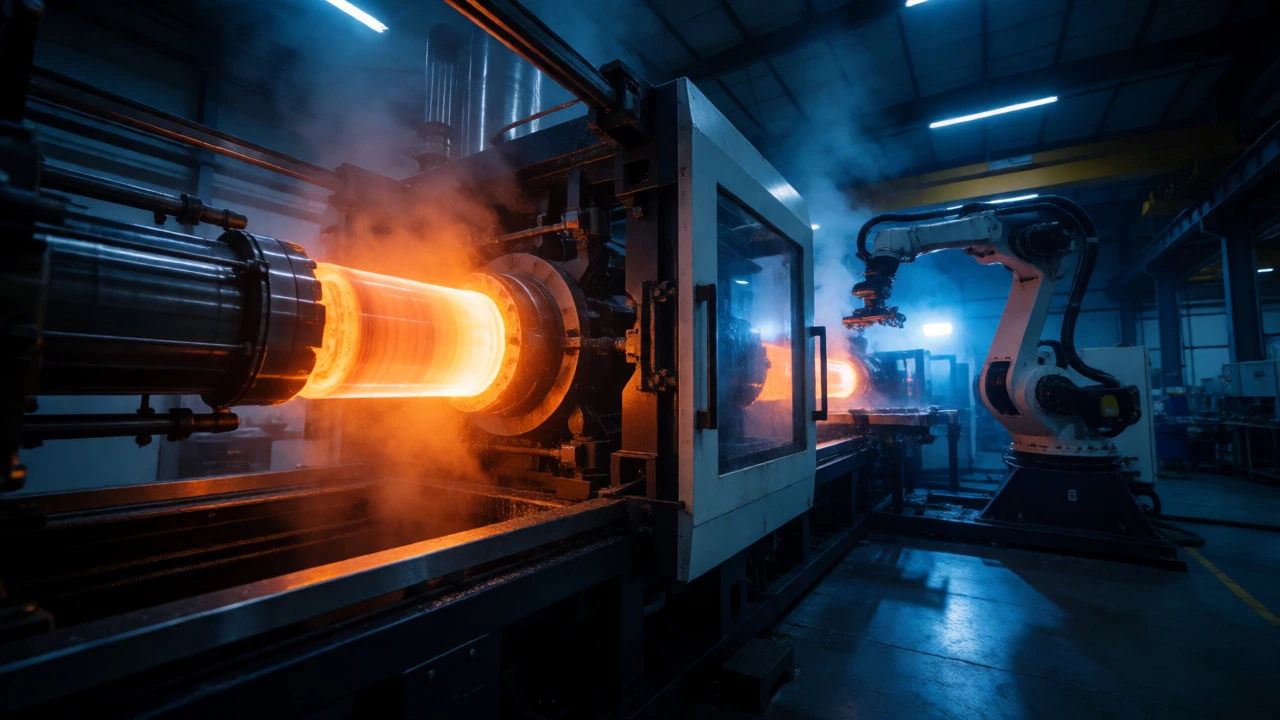
If resin is the ingredient, energy is the heat required to cook it. Plastic manufacturing is incredibly energy-intensive. Think about an injection moulding machine. It heats plastic pellets to over 200°C, melts them, injects them under high pressure, cools them rapidly, and then opens and closes the mould thousands of times a day. Each cycle consumes electricity.
In the UK, industrial electricity rates have risen sharply. A standard 100-tonne injection moulding machine can draw significant power during peak operation. If you are running three shifts, 24/7, your energy bill might rival your material costs. This is why many modern factories are investing in all-electric presses instead of traditional hydraulic ones. All-electric machines use servo motors that only consume energy when moving, cutting power usage by up to 70%. It’s a high upfront capital expenditure, but the operational savings pay back quickly when energy prices are high.
Cooling is another silent cost. Once the plastic is injected, it needs to cool down to hold its shape. Water chillers run continuously to maintain mold temperatures. If your cooling system is inefficient, you are literally throwing money away while waiting for parts to harden.
Labor and Automation: Do You Really Need More Hands?
Plastic manufacturing has moved far beyond the image of workers manually pulling hot parts off a line. Today, automation does the heavy lifting. Robots remove parts from molds, stack them, and pack them. This reduces labor costs significantly. However, setting up these automated cells requires skilled technicians, not just assembly line workers.
The cost here shifts from wages to maintenance and programming. A robot arm doesn’t call in sick, but if it breaks, you need a specialist engineer to fix it. These engineers command higher salaries than general operators. In regions like the West Midlands, where manufacturing hubs cluster, competition for skilled technical staff drives up wage bills. Small shops often struggle to compete with large automotive suppliers who can offer better benefits packages to retain talent.
But don’t underestimate the value of human oversight. Quality control still relies heavily on trained eyes and hands, especially for cosmetic parts like consumer electronics casings. Automated vision systems are getting better, but they miss subtle surface defects that a human catches instantly. Balancing automation with skilled labor is key to keeping costs down without sacrificing quality.
Mould Tooling: The High-Stakes Entry Ticket
You cannot make plastic products without a mould. And moulds are expensive. A simple two-cavity steel mould for a basic container might cost £5,000. A complex multi-cavity mould for a smartphone case could hit £50,000 or more. This is a fixed cost that gets amortized over the number of units you produce.
Here is the trap many startups fall into: they design a part that looks great but is impossible to mould efficiently. Complex geometries, undercuts, and tight tolerances increase machining time and tool wear. If you plan to produce only 10,000 units, a £30,000 mould adds £3 to every unit’s cost. If you produce 1 million units, it adds just £0.03. Volume dictates whether your tooling investment is viable.
Material choice for the mould matters too. Aluminium moulds are cheaper and faster to machine, ideal for prototypes or low-volume runs. Steel moulds last longer and handle higher pressures, essential for mass production. Choosing the wrong material leads to premature wear, requiring costly repairs or replacements mid-production.
Waste and Scrap: Where Profit Leaks Out
Every time a part fails inspection, you lose money twice. First, you wasted the raw material. Second, you wasted the machine time and energy to process it. In efficient plants, scrap rates hover around 2-5%. In poorly managed ones, it can exceed 15%. That 10% difference is pure profit lost.
Runners and sprues-the leftover bits of plastic left behind after cutting parts off the main channel-can be regrind and reused in some applications. But regrinding degrades the polymer chains slightly, affecting strength and appearance. You can’t always reuse it for high-quality cosmetic parts. Managing this stream effectively is critical. Some facilities invest in inline granulators that grind runners immediately and feed them back into the hopper, minimizing handling losses.
| Cost Component | Percentage of Total Unit Cost | Key Variables |
|---|---|---|
| Raw Material (Resin) | 40-60% | Oil prices, resin grade, volume discounts |
| Machine Time & Energy | 20-30% | Cycle time, machine efficiency, local energy rates |
| Labor & Overhead | 10-15% | Automation level, skill requirements, facility rent |
| Tooling Amortization | 5-10% | Total production volume, mould complexity |
| Scrap & Waste | 2-5% | Process stability, operator skill, material consistency |

Regulatory Compliance: The Green Tax
Let’s address the elephant in the room: regulations. In the UK and EU, strict rules govern plastic production and disposal. Extended Producer Responsibility (EPR) schemes mean manufacturers pay fees based on the weight and recyclability of their packaging. This isn’t a direct manufacturing cost, but it hits the bottom line.
Additionally, using virgin plastic often incurs a plastic packaging tax. Recycled content can reduce this liability. This creates a financial incentive to invest in machinery that handles recycled pellets well. Recycled materials can sometimes behave differently-higher moisture content, inconsistent flow rates-which may require adjusting processing parameters, potentially slowing down cycle times. You trade lower material costs for potential productivity dips. Calculating this trade-off precisely is essential for accurate pricing.
So, Is It Cheap or Expensive?
Compared to alternatives, plastic remains the cheapest option for most applications. Glass is heavier, increasing shipping costs. Metal requires more energy to melt and shape. Wood varies in supply and consistency. Plastic wins on weight, durability, and scalability.
However, "cheap" is relative. For a startup launching a new gadget, the initial tooling and setup costs feel enormous. For a giant like Unilever, the unit cost is pennies. The question isn’t really "is plastic expensive?" It’s "how efficiently am I converting raw inputs into saleable goods?" If you control your energy use, minimize scrap, and optimize your cycle times, plastic manufacturing is highly profitable. If you ignore those variables, it becomes a money pit.
Focus on what you can control. Negotiate resin contracts carefully. Invest in energy-efficient equipment. Train your staff to spot defects early. These steps won’t change the price of oil, but they will protect your margins when it rises.
Why do plastic prices change so frequently?
Plastic prices are directly tied to the cost of crude oil and natural gas, which are volatile commodities. Global supply chain disruptions, changes in demand from other industries, and geopolitical events can cause rapid fluctuations in these underlying energy prices, leading to frequent adjustments in plastic resin quotes.
Is recycling plastic cheaper than using virgin material?
Not always. While recycled plastic avoids some taxes and uses less energy than virgin production, the collection, sorting, cleaning, and reprocessing of post-consumer waste add significant costs. High-quality food-grade recycled resin can sometimes cost more than virgin resin due to limited supply and rigorous certification processes.
How does energy cost impact plastic manufacturing?
Energy is one of the top two cost drivers in plastic manufacturing, alongside raw materials. Processes like melting, injecting, and cooling require substantial electricity. Higher energy prices directly increase the unit cost of production, making energy-efficient machinery and optimized cycle times critical for maintaining profitability.
What is the biggest hidden cost in plastic production?
Scrap and downtime are often underestimated. Every defective part represents wasted material, energy, and machine time. Similarly, unplanned downtime due to mould issues or machine failures halts production entirely, spreading fixed overheads over fewer units and driving up the effective cost per piece.
Are small batches of plastic expensive to produce?
Yes, primarily due to tooling amortization. The cost of creating a mould is fixed, so producing fewer units means each unit bears a larger share of that cost. Additionally, setup times for changing moulds and calibrating machines take time, reducing overall efficiency for short production runs.