SAP vs Traditional Systems: ROI & Efficiency Calculator
Company Parameters
Total monthly sales revenue
Typical range: 5-15% without FEFO logic
Includes disposal, logistics, and admin costs
Manual logging, audits, and batch tracking
Projected Annual Impact with SAP
Enter your company parameters to see how SAP can improve efficiency, reduce waste, and enhance traceability.
Imagine a scenario where a single contaminated ingredient causes a massive product recall. In the food industry, this isn't just a hypothetical nightmare; it’s a regulatory and financial reality. For manufacturers, the difference between a contained incident and a brand-destroying crisis often comes down to visibility. This is exactly why SAP has become the backbone of modern food processing operations.
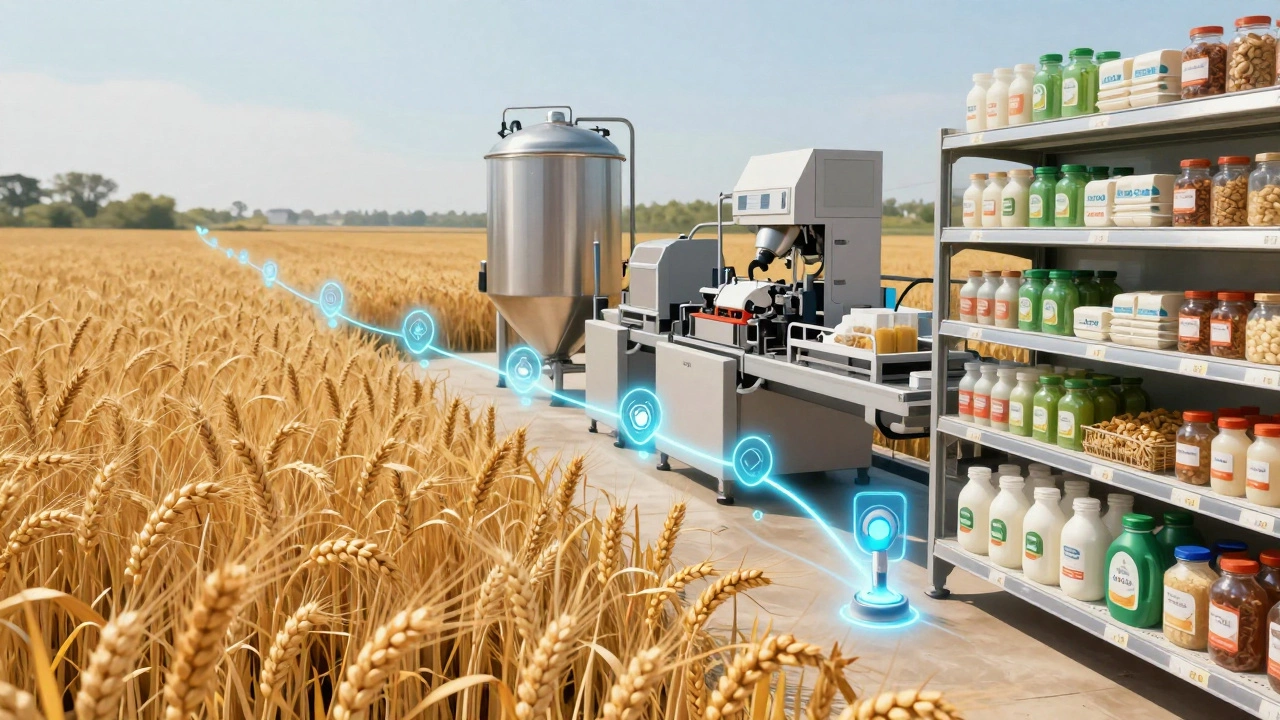
If you are wondering what SAP actually does in this specific context, it is not just another piece of software. It is an Enterprise Resource Planning (ERP) system tailored to handle the unique complexities of perishable goods, strict hygiene standards, and global supply chains. From the farm gate to the supermarket shelf, SAP connects every dot in the process.
The Core Function: Connecting Silos in Food Manufacturing
Traditionally, food processors managed their operations in silos. Procurement bought raw materials, production ran the lines, and sales shipped the goods, often using disconnected spreadsheets or legacy systems. This fragmentation leads to errors, waste, and blind spots. SAP solves this by integrating these functions into a single source of truth.
SAP S/4HANA is
the flagship ERP suite that serves as the central nervous system for large-scale food and beverage companies, enabling real-time data processing across all departments.
Unlike older systems that required end-of-day batch processing, S/4HANA allows managers to see inventory levels, production status, and financial impacts instantly.
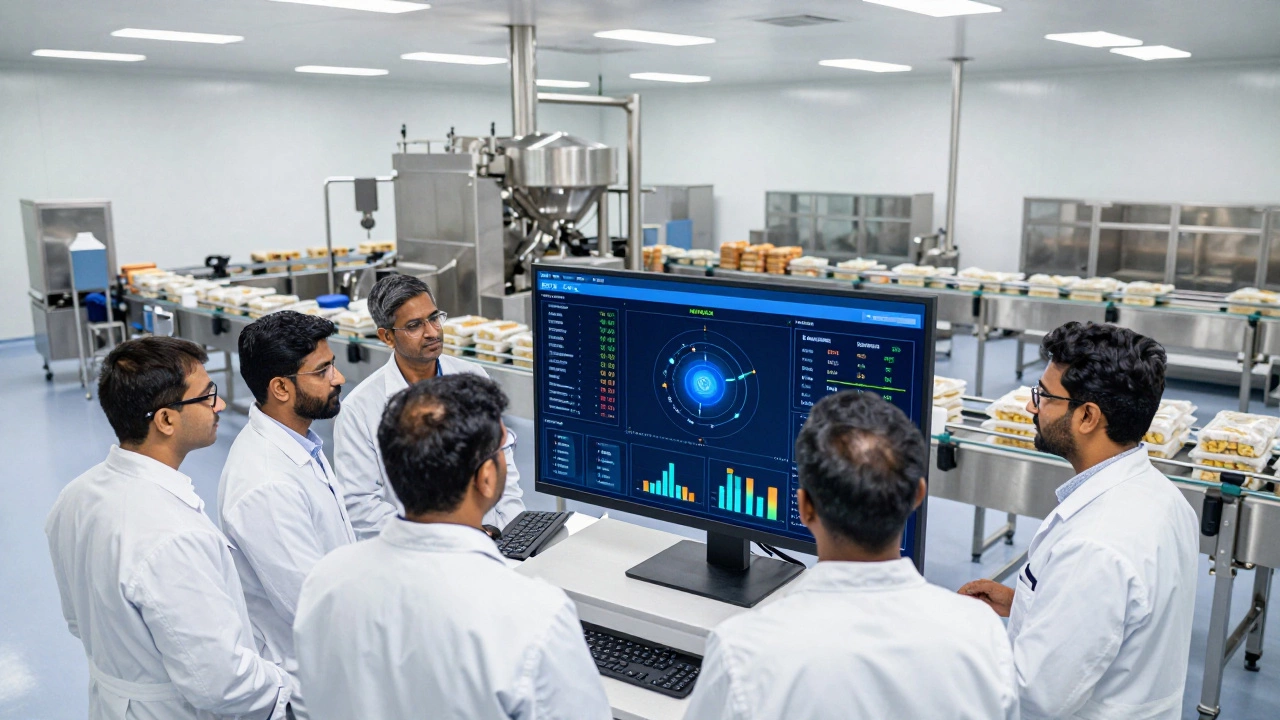
For a food processor, this integration means that when a purchase order for wheat arrives, the system automatically updates inventory, triggers quality inspection protocols, adjusts production schedules, and forecasts cash flow requirements simultaneously. This seamless flow reduces administrative overhead and minimizes the risk of human error.
Critical Feature: Batch Management and Traceability
In no other industry is traceability as critical as in food processing. Consumers and regulators demand to know exactly where ingredients come from, how they were processed, and where the final product went. SAP handles this through sophisticated batch management.
Every lot of raw material entering your facility gets a unique batch number. As these batches move through mixing, cooking, packaging, and storage, SAP tracks them at every step. If a supplier reports a contamination issue with a specific batch of milk powder, you can query the system in seconds to identify exactly which finished products contain that batch and where they have been shipped.
- Upstream Traceability: Identifying the origin of raw materials (farm, harvest date, supplier).
- Downstream Traceability: Tracking finished goods to distributors and retailers.
- Internal Traceability: Monitoring how batches are combined or split during production.
This capability is not just about compliance; it’s about speed. The faster you can isolate affected products, the smaller the recall scope, and the less damage to your brand reputation.
Quality Management and Regulatory Compliance
Food safety regulations like FSMA in the US, EU General Food Law, and local health codes are stringent and constantly evolving. Manual compliance checks are prone to failure. SAP embeds quality management directly into the workflow.
When raw materials arrive, the system can hold them in quarantine until quality inspections are completed. Inspectors record results digitally-checking pH levels, moisture content, or microbial counts. Only when the material passes these predefined criteria does the system release it for production. If it fails, the system automatically blocks usage and alerts procurement to initiate returns or claims.
Furthermore, SAP helps manage certifications. Many food processors need to maintain organic, non-GMO, or fair-trade certifications. The system ensures that certified ingredients are never mixed with non-certified ones, preserving the integrity of premium product lines.
Inventory Control and Shelf-Life Management
Perishability is the biggest enemy in food processing. Holding too much stock leads to spoilage and waste; holding too little risks stockouts and lost sales. SAP addresses this through advanced expiration date management.
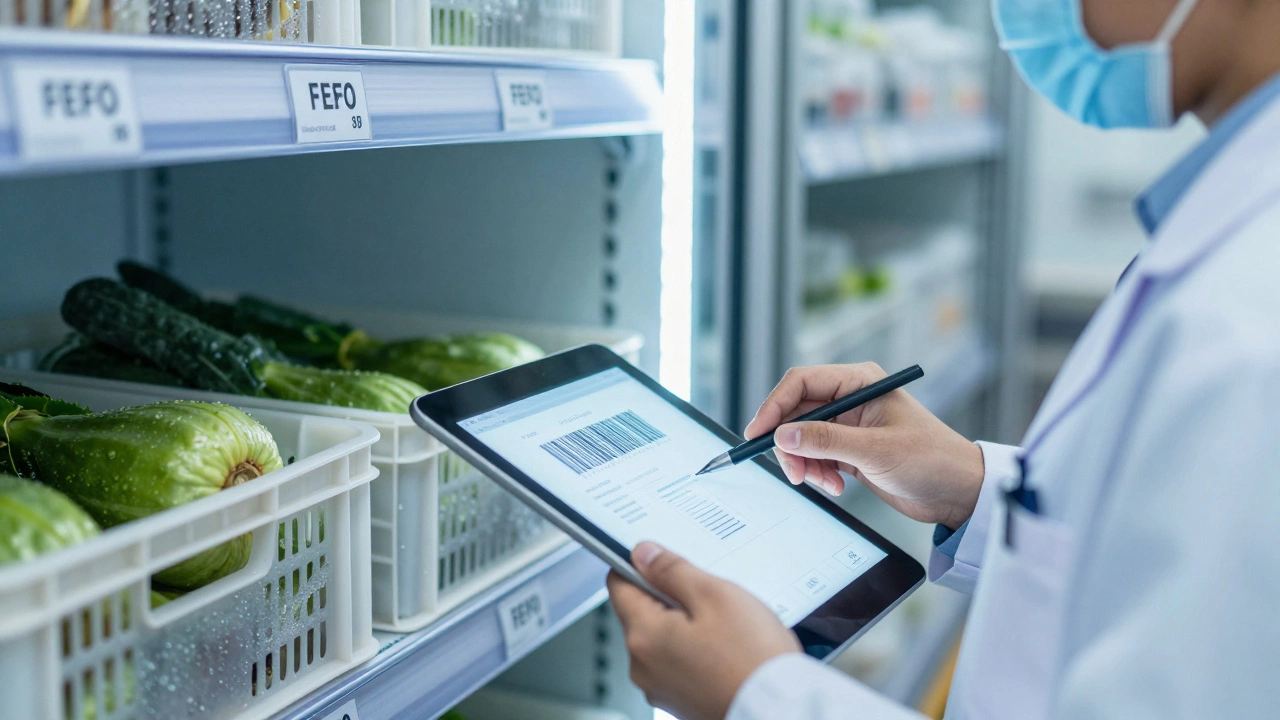
The system enforces First-Expiry-First-Out (FEFO) logic rather than just First-In-First-Out (FIFO). When picking materials for production or shipping finished goods, SAP prioritizes items closest to their expiration date. This simple logic significantly reduces write-offs due to spoilage.
Additionally, SAP integrates with warehouse management systems to monitor storage conditions. For temperature-sensitive goods, sensors can feed data into the ERP, alerting managers if cold chain integrity is compromised. This proactive approach prevents selling unsafe products and optimizes inventory turnover.
Production Planning and Recipe Management
Food recipes are complex intellectual property. They involve precise ratios of ingredients, specific processing times, and yield expectations. SAP manages these recipes as master data, ensuring consistency across different shifts and facilities.
The system supports co-products and by-products, which are common in food processing. For example, pressing olives produces both olive oil (main product) and pomace (by-product used for animal feed or energy). SAP calculates the cost allocation and inventory impact for both outputs accurately.
Production planning modules use historical sales data and seasonal trends to forecast demand. This allows manufacturers to schedule runs efficiently, minimizing changeover times between different products. Less downtime means higher throughput and lower unit costs.
Financial Integration and Costing
Profit margins in food processing can be thin. Understanding the true cost of each product is essential for pricing strategy. SAP provides detailed costing models that account for direct materials, labor, overhead, and even energy consumption per batch.
Because finance is integrated with operations, you don’t have to wait for month-end closing to understand profitability. Real-time insights allow finance teams to react quickly to fluctuations in commodity prices, such as sudden spikes in sugar or dairy costs. You can simulate scenarios to see how price changes affect margins and adjust purchasing strategies accordingly.
| Feature | Traditional Systems | SAP ERP Solution |
|---|---|---|
| Traceability Speed | Hours to days (manual logs) | Seconds (digital batch tracking) |
| Compliance | Reactive audits | Proactive embedded controls |
| Inventory Logic | FIFO (First-In-First-Out) | FEFO (First-Expiry-First-Out) |
| Data Visibility | Siloed departmental views | Unified real-time dashboard |
Implementation Challenges and Considerations
While the benefits are clear, implementing SAP in food processing is not without challenges. The initial investment is significant, requiring careful planning and change management. Staff training is crucial because the system relies on accurate data entry at every touchpoint.
Integration with existing machinery and IoT devices can also be complex. However, the long-term ROI typically justifies the upfront costs through reduced waste, improved efficiency, and avoided regulatory fines. Companies should start with a clear roadmap, prioritizing modules that address their most pressing pain points, such as traceability or inventory control.
The Future: AI and Sustainability
As technology evolves, SAP continues to integrate artificial intelligence and machine learning. These tools can predict equipment failures before they happen, optimize delivery routes to reduce carbon footprints, and analyze consumer sentiment to guide product development.
Sustainability is increasingly important to consumers. SAP helps track environmental metrics, such as water usage and energy consumption, enabling companies to report on their ESG (Environmental, Social, and Governance) goals transparently. This data-driven approach supports not only operational excellence but also responsible stewardship.
Is SAP suitable for small food businesses?
While SAP is traditionally associated with large enterprises, SAP Business ByDesign offers a mid-market solution that is more accessible for smaller food processors. It provides core ERP functionalities like inventory, finance, and production planning without the complexity of full-scale S/4HANA.
How does SAP help with food recalls?
SAP enables rapid root cause analysis through batch tracing. In the event of a recall, you can instantly identify all affected batches, their locations, and the customers who received them. This minimizes the scope of the recall and speeds up communication with regulators and partners.
What is the difference between FIFO and FEFO in SAP?
FIFO (First-In-First-Out) uses the oldest inventory first based on receipt date. FEFO (First-Expiry-First-Out) uses the inventory closest to its expiration date, regardless of when it arrived. For perishable food items, FEFO is critical to reducing waste and ensuring product freshness.
Can SAP integrate with third-party logistics providers?
Yes, SAP supports extensive connectivity with third-party logistics (3PL) partners. Through standardized interfaces and cloud platforms, you can share shipment data, track deliveries in real-time, and synchronize inventory levels across external warehouses.
How does SAP ensure data security in food processing?
SAP employs robust security protocols including role-based access controls, encryption, and audit trails. This ensures that sensitive recipe data, customer information, and financial records are protected from unauthorized access and cyber threats.