
Small Manufacturing Profitability Calculator
Select a manufacturing niche to load default estimates, then customize your inputs.
CNC Machining
High technical skill, moderate startup cost.
Organic Skincare
Low startup cost, high perceived value.
Specialty Food
Repeat purchases, low-to-moderate cost.
Eco-Packaging
B2B focus, high market demand.
Handmade Furniture
Heirloom quality, storytelling marketing.
Customize Your Business Model
Materials, labor, and overhead per item.
Direct-to-consumer retail price.
Estimated units sold per month.
Equipment, licensing, and initial inventory.
Financial Projection: Based on your inputs, here is the potential performance of your manufacturing business.
Gross Profit Margin
0%
Monthly Gross Profit
$0
Revenue minus production costs
Break-Even Months
0
Time to recover startup capital
Analysis & Recommendations
You don't need a massive factory floor or millions in venture capital to build a profitable manufacturing business. In fact, some of the highest-margin operations run out of small warehouses or even home garages. The secret isn't scale; it's finding a niche where demand outstrips supply and margins stay healthy despite rising material costs.
Many entrepreneurs chase the wrong metrics. They look at revenue volume instead of profit per unit. A large-scale plastic bottle plant might churn out millions in sales but operate on razor-thin margins. Meanwhile, a small batch organic skincare maker can command premium prices with significantly lower overhead. This guide breaks down seven specific manufacturing niches that offer strong returns on investment in 2026, focusing on accessibility, scalability, and real-world profitability.
Why Niche Manufacturing Wins in 2026
The economic landscape has shifted. Consumers are willing to pay more for transparency, sustainability, and customization. Big corporations struggle to pivot quickly to meet these micro-trends. That’s your opening. Small manufacturers can adapt production lines overnight, whereas large factories take months to retool.
Additionally, the rise of direct-to-consumer (DTC) channels means you can bypass traditional retail markups. If you manufacture a product with a $5 cost basis and sell it directly online for $25, your gross margin is 80%. Traditional retail would have forced you to sell it for $10 to the distributor, leaving you with barely enough to cover labor. Controlling the entire value chain-from raw material sourcing to final sale-is what makes small manufacturing so lucrative today.
1. Custom CNC Machining and Prototyping
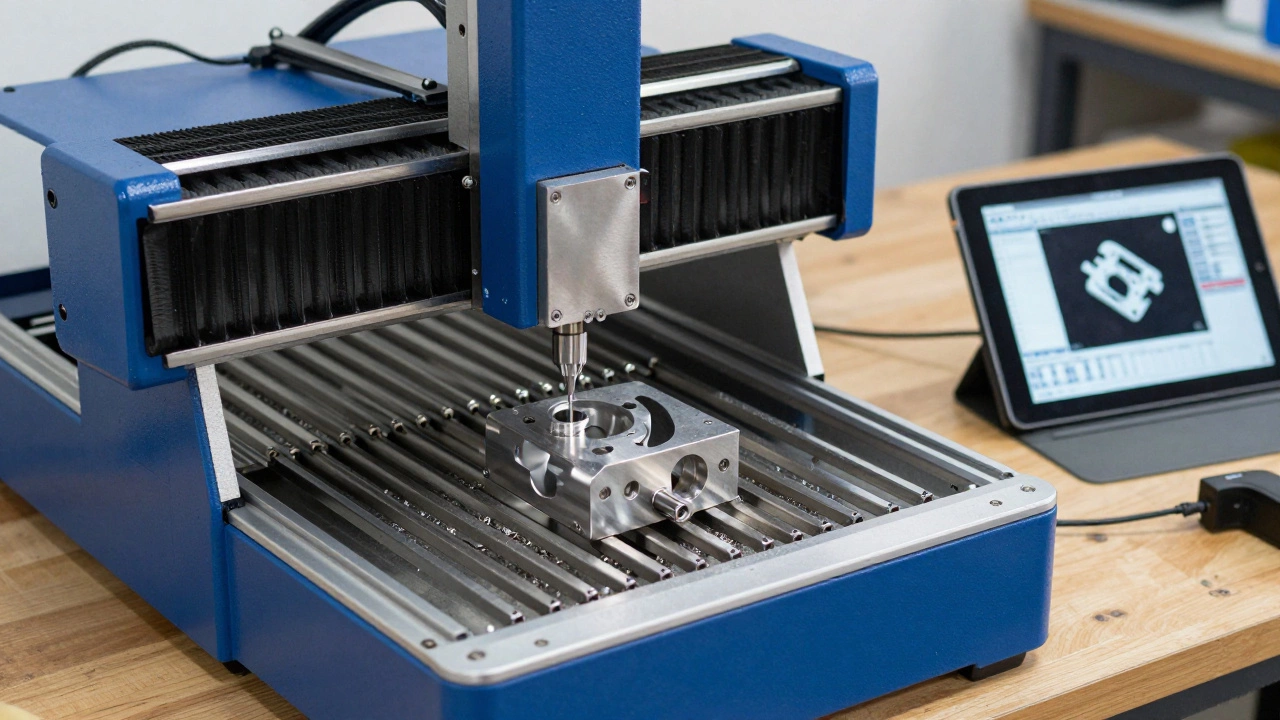
CNC machining is a subtractive manufacturing process that uses computer-controlled tools to shape materials like metal, plastic, and wood. While industrial CNC shops serve aerospace and automotive giants, there is a booming market for small-batch prototyping and custom parts for hobbyists, startups, and local industries.
You don’t need a fleet of machines. Starting with one versatile desktop CNC mill or router can be enough. The key is specialization. Instead of competing on price with mass producers, compete on speed and customization. Offer same-day turnaround for urgent replacement parts or limited-edition components for indie game developers creating physical merchandise.
- Startup Cost: Moderate ($10,000-$30,000 for equipment)
- Profit Margin: 40-60%
- Key Skill: CAD/CAM software proficiency
The barrier to entry is technical knowledge, not just capital. If you master G-code and design software, you become indispensable to local businesses that can’t wait weeks for overseas shipments.
2. Organic Personal Care and Skincare
The global personal care market is exploding, but consumers are increasingly skeptical of synthetic ingredients. Organic skincare is cosmetic products made from naturally derived ingredients without harmful chemicals. Small brands can differentiate themselves by using locally sourced botanicals, sustainable packaging, and transparent labeling.
This sector allows for high perceived value. A jar of hand cream costing $2 to produce can sell for $20-$30 if the branding tells a compelling story. You can start small with a kitchen-compliant setup and scale up as demand grows. Focus on a specific problem-like sensitive skin, acne, or anti-aging-to build a loyal customer base quickly.
- Startup Cost: Low ($2,000-$10,000)
- Profit Margin: 60-80%
- Regulatory Note: Check local FDA or equivalent cosmetic regulations
Success here depends less on the chemistry and more on marketing and community building. Engage with customers on social media, share behind-the-scenes content, and leverage user-generated reviews.
3. Specialty Food Processing
People will always eat, but they want food that fits their lifestyle. Specialty food processing refers to small-batch production of unique, often artisanal food items. Think gluten-free snacks, vegan cheese alternatives, fermented hot sauces, or dehydrated fruit chips.
The advantage of food is repeat purchases. If your product tastes good, customers come back every week. Start by selling at local farmers' markets to test recipes and gather feedback before investing in larger equipment. Once you have a proven product, approach local grocery stores or launch an e-commerce store.
- Startup Cost: Low to Moderate ($5,000-$20,000)
- Profit Margin: 30-50%
- Growth Potential: High via distribution partnerships
Focus on shelf-stable items initially to reduce logistics complexity. Fermented foods, jams, and dried goods have longer shelf lives, giving you more time to sell inventory without spoilage losses.
4. Eco-Friendly Packaging Solutions
With global bans on single-use plastics tightening, companies are desperate for sustainable alternatives. Eco-friendly packaging includes biodegradable mailers, compostable cutlery, and mushroom-based protective inserts. This is a B2B play, which means fewer customers but larger order volumes.
You can start by producing simple items like paper bags, cardboard boxes, or cotton tote bags. As you grow, invest in machinery for molded pulp packaging or bioplastic films. Partner with local e-commerce businesses who want to green their brand image.
- Startup Cost: Moderate ($15,000-$50,000)
- Profit Margin: 25-40%
- Market Demand: Very High due to regulatory pressure
The selling point here is compliance and brand alignment. Help your clients meet environmental standards while reducing their carbon footprint. Offer customization options like printed logos to increase perceived value.
5. Handmade Furniture and Woodworking
Mass-produced furniture is cheap but lacks character. Handmade furniture is custom-crafted wooden pieces built for durability and aesthetic appeal. There is a growing appreciation for heirloom-quality items that last decades rather than years.
Start with small items like cutting boards, stools, or shelves. These require less material and space, allowing you to refine your craft. As you gain confidence, move to tables, chairs, and cabinets. Use reclaimed wood to add uniqueness and reduce material costs.
- Startup Cost: Moderate ($10,000-$25,000 for tools and workspace)
- Profit Margin: 50-70%
- Marketing Angle: Storytelling around craftsmanship
Showcase the making process on video platforms. People love seeing the transformation from rough lumber to polished finish. This visual proof justifies higher price points.

Comparison of Top Manufacturing Niches
| Niche | Startup Cost | Avg. Margin | Technical Skill Needed | Best For |
|---|---|---|---|---|
| CNC Machining | Moderate | 40-60% | High | Engineers/Techies |
| Skincare | Low | 60-80% | Medium | Marketers/Creatives |
| Specialty Food | Low-Med | 30-50% | Medium | Chefs/Foodies |
| Eco-Packaging | Moderate | 25-40% | Low-Med | B2B Sales Pros |
| Furniture | Moderate | 50-70% | High | Artisans/Craftsmen |
How to Validate Your Idea Before Investing
Don’t buy equipment until you have pre-orders or strong evidence of demand. Here’s a simple validation framework:
- Search Volume Analysis: Use free tools like Google Trends to see if interest in your product category is growing or declining.
- Competitor Gap Analysis: Buy products from top competitors. Identify what they do poorly-shipping times, packaging quality, ingredient lists-and promise to fix it.
- Minimum Viable Product (MVP): Create 10-20 units manually. Sell them through social media or local markets. If they sell out, you have a business. If they sit unsold, pivot before spending big.
- Pricing Test: Try selling at different price points. See how volume changes. Find the sweet spot where profit maximizes, not just revenue.
This approach minimizes risk. Many failed manufacturing businesses died because they produced inventory nobody wanted. Validation ensures you’re solving a real problem.
Scaling Without Losing Control
As you grow, temptation will strike to automate everything. Resist premature automation. Keep processes manual as long as possible to maintain quality and flexibility. Only invest in machinery when bottlenecks consistently prevent you from fulfilling orders.
Hire selectively. Look for people who share your commitment to quality. Train them thoroughly. A skilled worker operating basic tools often outperforms an unskilled worker running expensive automated systems.
Diversify your sales channels early. Don’t rely solely on Amazon or Etsy. Build your own website, engage with wholesale buyers, and explore export opportunities. Multiple income streams protect you against platform algorithm changes or account suspensions.
What is the most profitable small manufacturing business?
The most profitable varies by skill set, but organic skincare and custom CNC machining typically offer the highest margins (60-80% and 40-60% respectively). These sectors allow for premium pricing due to perceived value and specialized utility.
How much money do I need to start a small manufacturing business?
You can start with as little as $2,000 for home-based skincare or food processing. More technical fields like CNC machining may require $10,000-$30,000 for initial equipment. Always validate your idea with a low-cost MVP first.
Is manufacturing a good business in 2026?
Yes, especially for niche, sustainable, and customized products. Consumer trends favor transparency and ethical production, which small manufacturers excel at delivering compared to large corporations.
What are the biggest risks in small manufacturing?
Inventory mismanagement is the top killer. Producing too much leads to cash flow issues and waste. Other risks include underpricing, ignoring regulatory compliance, and failing to validate market demand before scaling.
Can I start a manufacturing business from home?
Absolutely. Many successful businesses started in garages or kitchens. Skincare, candle making, woodworking, and small-batch food items are ideal for home-based starts. Just ensure you comply with local zoning laws and health regulations.