Indian Fabric Sourcing Hub Finder
Analyzing textile markets...
Select your requirements above to find the perfect sourcing destination.
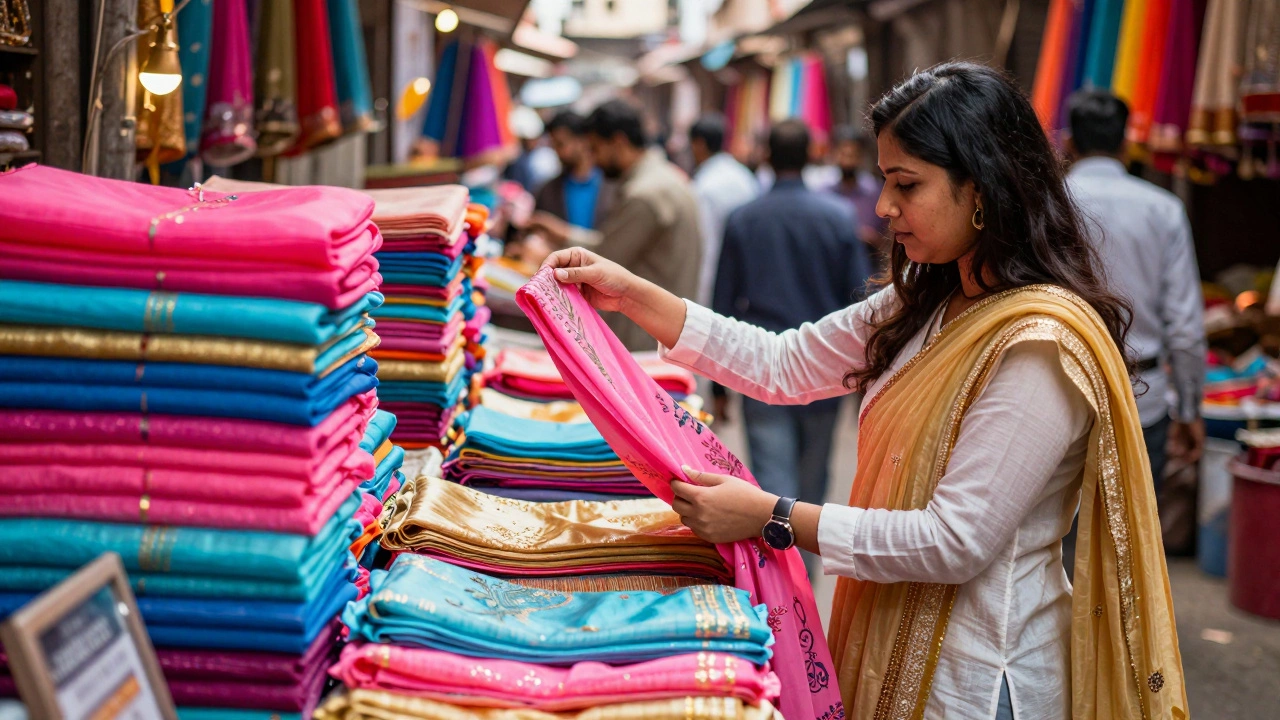
Walking through the narrow, bustling lanes of Surat or the historic bazaars of Mumbai, you can smell the dye and feel the texture of raw cotton under your fingertips. For a fashion designer, this isn't just shopping; it’s hunting for the perfect material that will define their next collection. But where exactly do these designers go when they need high-quality fabric in bulk?
The answer isn’t a single shop. It’s a network of specialized hubs across India is the world's second-largest producer of textiles and garments, offering everything from handwoven silks to synthetic powerhouses. Each city has its own specialty. If you want silk, you don’t go to the same place as if you want denim. Understanding these geographic specialties is the first step to successful sourcing.
The Big Three: Surat, Tirupur, and Ludhiana
When we talk about volume and variety, three cities dominate the conversation. These are not just markets; they are industrial ecosystems.
Surat is known as the 'Silk City' of India, though it is now the global hub for synthetic fabrics like polyester and georgette. If you are designing evening wear, party dresses, or affordable fast fashion, Surat is your playground. The prices here are unbeatable because the supply chain is incredibly efficient. You can find thousands of meters of printed chiffon or sequined net at a fraction of the cost compared to other regions. However, be careful with quality checks. Because the turnover is so fast, defects can slip through. Always inspect the fabric before you buy.
Then there is Tirupur is the knitwear capital of India, famous for producing high-quality cotton t-shirts, sweatshirts, and activewear.. Located in Tamil Nadu, Tirupur is where sportswear brands and casual wear designers source their materials. The infrastructure here supports large-scale manufacturing. If your brand focuses on comfort and basics, you need to visit Tirupur. The factories here are often export-oriented, meaning they adhere to strict international quality standards.
In the north, Ludhiana is the winter wear hub of India, specializing in woolens, hosiery, and thermal fabrics.. As the name suggests, this is the place for cold-weather clothing. From heavy wool coats to lightweight thermals, Ludhiana supplies most of India’s winter fashion needs. The climate here naturally suits the production of these fabrics, and the local expertise in knitting techniques is unmatched.
| City | Primary Fabric Type | Best For | Price Range |
|---|---|---|---|
| Surat | Synthetics (Polyester, Georgette) | Party Wear, Fast Fashion | Low to Medium |
| Tirupur | Cotton Knits | Casual Wear, Activewear | Medium |
| Ludhiana | Woolens, Hosiery | Winter Wear | Medium to High |
| Mumbai | Luxury Imports, Designer Blends | High-End Fashion | High |
The Heritage Hubs: Varanasi, Kanchipuram, and Jaipur
If you are looking for tradition, craftsmanship, and luxury, the industrial hubs won’t give you what you need. You need to go to the heritage centers. These places offer fabrics that tell a story.
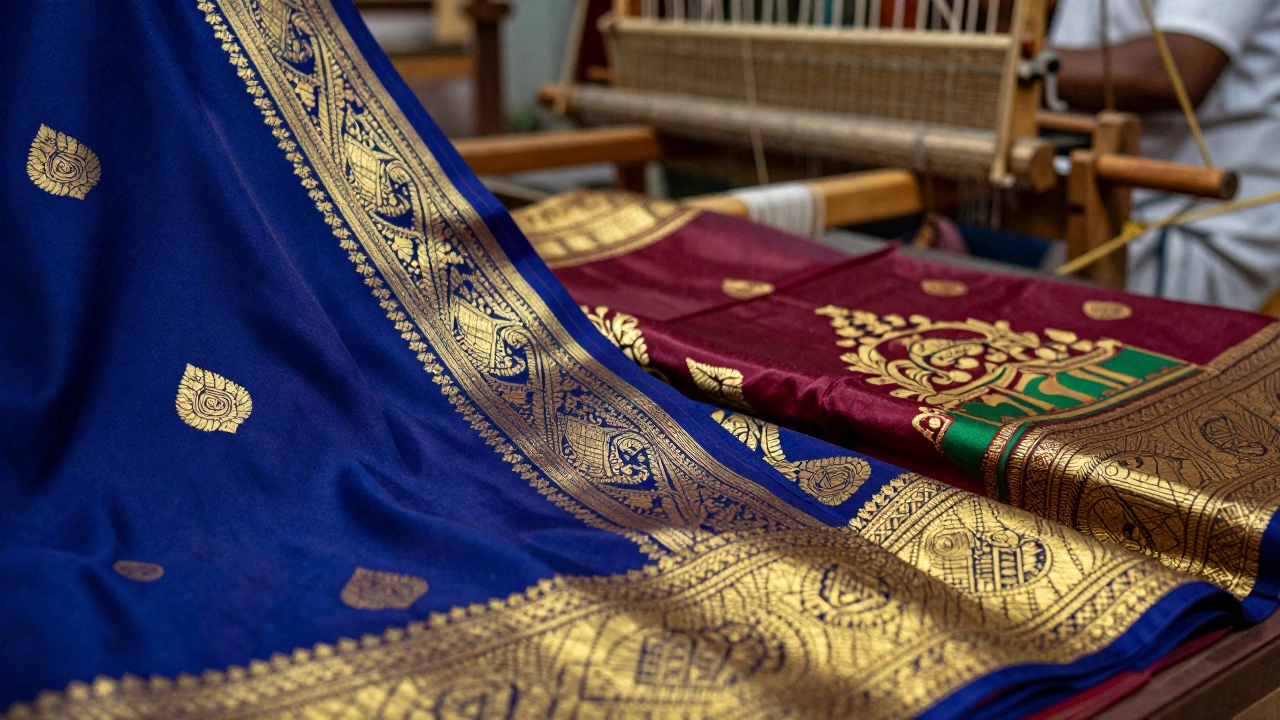
Varanasi is famous for its Banarasi silk sarees and brocades, known for intricate gold and silver zari work.. Designers who create bridal wear or ethnic fusion pieces flock to Varanasi. The silk here is pure and the weaving techniques have been passed down for centuries. Buying here requires patience. You aren’t just buying fabric; you are commissioning art. Prices are high, but the value lies in the uniqueness of each piece.
Similarly, Kanchipuram is renowned for its heavy silk sarees with contrasting borders and temple motifs. in Tamil Nadu offers some of the finest silk in the world. The durability of Kanchipuram silk is legendary. It holds color well and lasts for generations. For designers focusing on traditional South Indian aesthetics or high-end bridal collections, this is a non-negotiable stop.
For those interested in block printing and natural dyes, Rajasthan is a vast region known for its hand-block printed cottons, ikats, and bandhani tie-dye fabrics. is the destination. Cities like Jaipur and Jodhpur have artisans who still use wooden blocks carved by hand to print patterns on cotton. This is ideal for bohemian styles, resort wear, and sustainable fashion lines. The colors are vibrant and earthy, derived from natural sources.
Mumbai: The Designer’s Playground
You might wonder why Mumbai is on this list if it’s not a manufacturing hub like Surat. The truth is, Mumbai is where the buyers meet the sellers. It’s the commercial heart of the fashion industry.
In areas like Bharat Nagar Market is one of Asia's largest wholesale textile markets, located in Mumbai, offering a wide range of fabrics including imports., you can find almost anything. From Italian lace to Japanese denim, Mumbai traders import fabrics from all over the world and sell them locally. This makes it a one-stop shop for designers who need diverse materials without traveling across the country. However, prices here include a markup for convenience. If you are buying in small quantities or need rare imports, Mumbai is worth the extra cost.
Another key area is Girgaum Chowpatty is a popular market in Mumbai known for budget-friendly fabrics, trims, and accessories.. While it may seem chaotic, it’s a treasure trove for trims, buttons, zippers, and laces. Often, the fabric is only half the battle; the details make the garment. Here, you can find unique embellishments that set your designs apart.
Online Sourcing: The New Frontier
Traditionally, fabric sourcing meant travel. Today, digital platforms are changing the game. Websites like Indiamart is a leading B2B marketplace connecting buyers with verified suppliers across various industries, including textiles. allow designers to connect directly with manufacturers. You can search for specific fabric types, compare prices, and even request samples online.
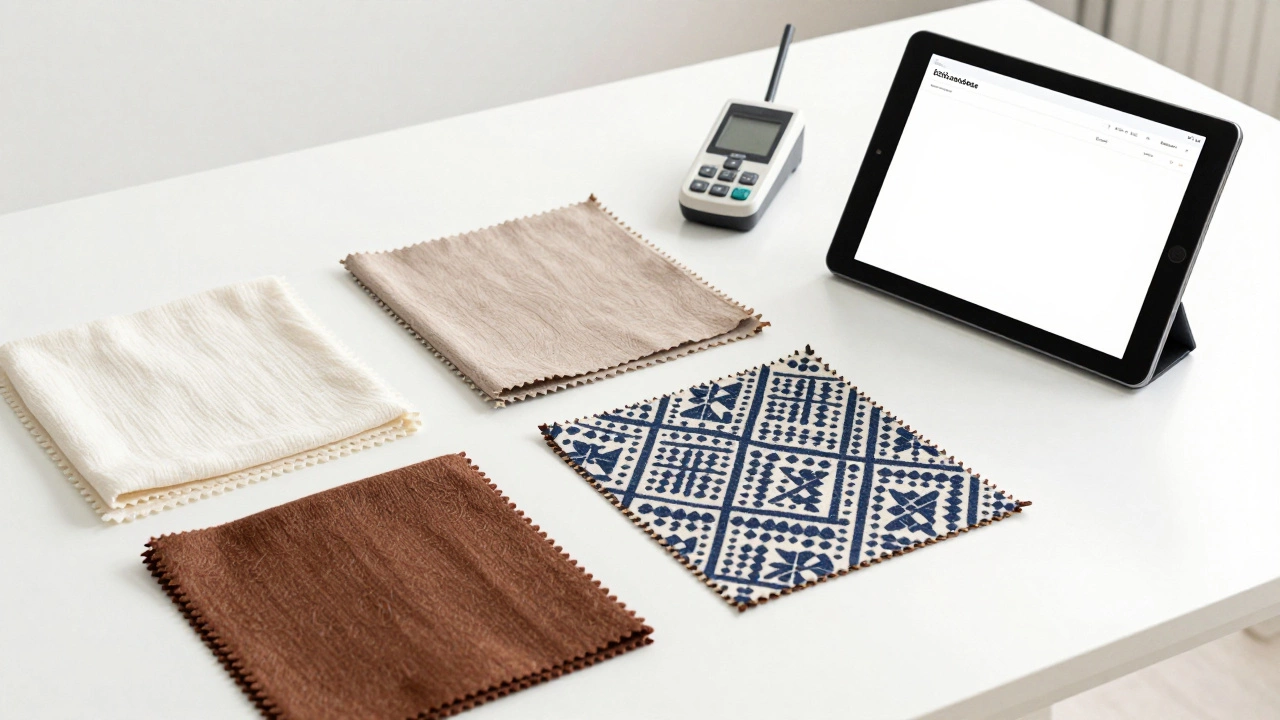
This method saves time and money. You don’t need to fly to Surat to check out polyester options. However, there are risks. Online images can be misleading. A fabric might look smooth in a photo but feel rough in reality. Always order swatches before placing a bulk order. Build relationships with suppliers. Trust is built over time, whether you meet face-to-face or communicate digitally.
Another platform gaining traction is Fabindia Wholesale is a division of Fabindia that provides handcrafted and handwoven textiles to retailers and designers.. For designers focusing on sustainability and artisanal products, this is a reliable source. They ensure fair trade practices and consistent quality. It’s more expensive than mass-produced alternatives, but it aligns with ethical fashion values.
Key Considerations When Buying Fabric
Knowing where to buy is only half the battle. How you buy matters just as much. Here are some practical tips to keep in mind.
- Check the GSM: Grams per square meter (GSM) determines the weight and thickness of the fabric. Heavier fabrics drape differently and last longer. Don’t rely on visual inspection alone.
- Test for Colorfastness: Rub a damp cloth on the fabric. If color transfers, it’s not suitable for garments that will be washed frequently. This is especially important for dyed cottons.
- Understand MOQs: Minimum Order Quantities vary by supplier. Some mills require hundreds of meters, while others sell by the piece. Clarify this upfront to avoid surprises.
- Verify Certifications: If you claim your product is organic or sustainable, ask for certifications like GOTS (Global Organic Textile Standard). Greenwashing is common, so proof is essential.
- Build Relationships: Suppliers prefer working with regular clients. Be polite, pay on time, and maintain communication. This can lead to better pricing and priority service during peak seasons.
Navigating the Logistics
Once you’ve bought the fabric, getting it to your studio or factory involves logistics. India’s transportation network is extensive but can be unpredictable. Plan for delays. Factor in shipping costs into your pricing model. For international designers, understanding customs regulations and duty structures is crucial. Work with experienced freight forwarders who specialize in textile exports.
Also, consider storage. Fabrics, especially natural ones, are sensitive to humidity and pests. Ensure your warehouse conditions are controlled. Improper storage can ruin your investment before you even cut the first pattern.
What is the best city for buying silk fabric in India?
Varanasi and Kanchipuram are the top destinations for silk. Varanasi is known for Banarasi silk with intricate zari work, ideal for bridal wear. Kanchipuram offers heavy, durable silk with contrasting borders, perfect for traditional South Indian attire.
Can I buy fabric in small quantities from Indian manufacturers?
Most large manufacturers in hubs like Surat and Tirupur have high Minimum Order Quantities (MOQs). For small quantities, consider visiting local markets like Bharat Nagar in Mumbai or using B2B platforms that aggregate smaller suppliers. Alternatively, look for boutique workshops in heritage cities.
Is it safe to buy fabric online from India?
It can be safe if you take precautions. Always request physical swatches before placing bulk orders. Verify supplier credentials and reviews. Use secure payment methods that offer buyer protection. Building a relationship with a trusted agent or sourcing partner can also mitigate risks.
Which Indian city is best for cotton fabric sourcing?
Tirupur is the best for knitted cotton used in t-shirts and activewear. For woven cotton, Coimbatore and Madurai in Tamil Nadu are excellent choices. Rajasthan is ideal for hand-block printed cottons.
How do I ensure the quality of fabric purchased from India?
Inspect the fabric for even weaving, consistent dye, and no visible defects. Check the GSM for weight accuracy. Perform simple tests like rubbing for colorfastness and stretching for elasticity. Hiring a third-party quality inspection agency for large orders is a wise investment.