Craft Business Profit Calculator
Enter Your Costs
Based on the article's recommended pricing strategy: (Materials + Labor) x 2 = Wholesale; Wholesale x 2 = Retail.
£
Raw materials, packaging, labels, etc.
£
Your time spent making the item.
Recommended Pricing
Enter your costs above to see your recommended pricing structure.
You want to start a manufacturing business but aren't sure where to begin. The market is flooded with options, from plastic injection molding to textile weaving. But if you are looking for low entry costs, high margins, and steady demand, the answer lies in handmade crafts. Specifically, personalized home decor and sustainable lifestyle products are currently the hottest selling crafts in 2026.
This isn't just about making things for fun. It is about identifying a gap between mass-produced factory goods and the consumer's desire for unique, eco-friendly, and emotionally resonant products. In Birmingham and across the UK, small-scale manufacturers who pivot to "craft manufacturing" are seeing higher retention rates than those sticking to generic commodities.
The Shift from Factory to Workshop
Why are crafts outperforming traditional low-cost manufacturing right now? Consumers are tired of identical items. They want stories behind their purchases. A candle made in a batch of ten thousand has no soul. A soy wax candle poured by hand, scented with local lavender, and packaged in recycled glass tells a story. This emotional connection drives premium pricing.
In 2026, the definition of "craft" has expanded. It is no longer just knitting or pottery. It includes digital fabrication techniques like laser cutting and 3D printing, provided the final product retains an artisanal touch. This hybrid approach allows for scalability without losing the perceived value of handmade goods.
| Factor | Traditional Mass Production | Craft/Artisan Manufacturing |
|---|---|---|
| Initial Investment | High (£50k+) | Low (£1k-£10k) |
| Profit Margin | Thin (5-15%) | High (40-70%) |
| Differentiation | Price-based | Brand & Story-based |
| Customer Loyalty | Low | High |
| Scalability | High volume, low flexibility | Medium volume, high customization |
Top 5 Hottest Selling Crafts for 2026
Not all crafts sell equally well. Some categories are saturated, while others are exploding. Based on current search trends, social media engagement, and sales data from platforms like Etsy and Amazon Handmade, here are the top five manufacturing business ideas that are generating significant revenue.
1. Personalized Home Decor
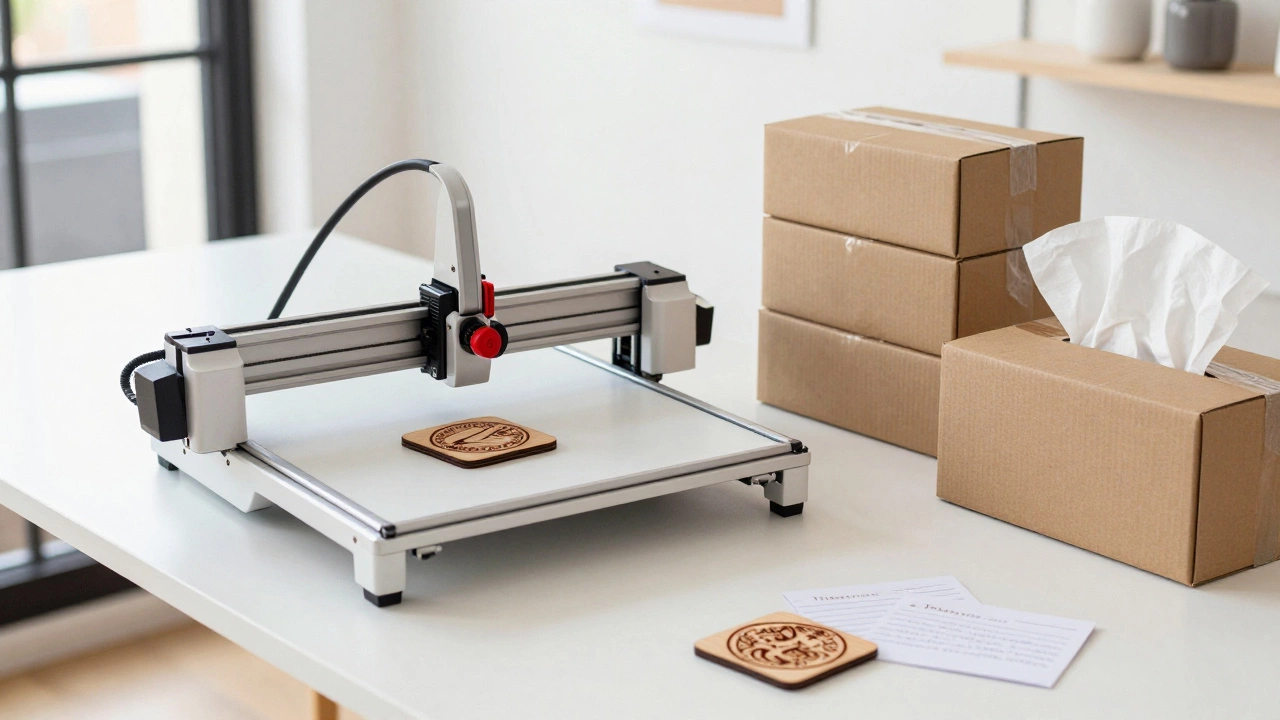
Personalized Home Decor is custom-made interior items such as wall art, doormats, and furniture accents tailored to individual tastes. This category is huge because people spend more time at home than ever before. They want their spaces to reflect their identity. Think laser-engraved wooden coasters with family names, or custom-painted ceramic plant pots. The key here is personalization. You can charge double the price of a generic item simply by adding a name or date.
2. Eco-Friendly Cleaning Products
Sustainability is not a trend; it is a requirement. Eco-Friendly Cleaning Products are household cleaners made from natural, biodegradable ingredients, often sold in refillable packaging. Consumers are actively avoiding single-use plastics. Small batches of concentrated cleaning tablets that dissolve in water, or solid shampoo bars, have incredibly low shipping costs due to their weight and durability. This reduces logistics overhead significantly compared to liquid products.
3. Bespoke Leather Goods
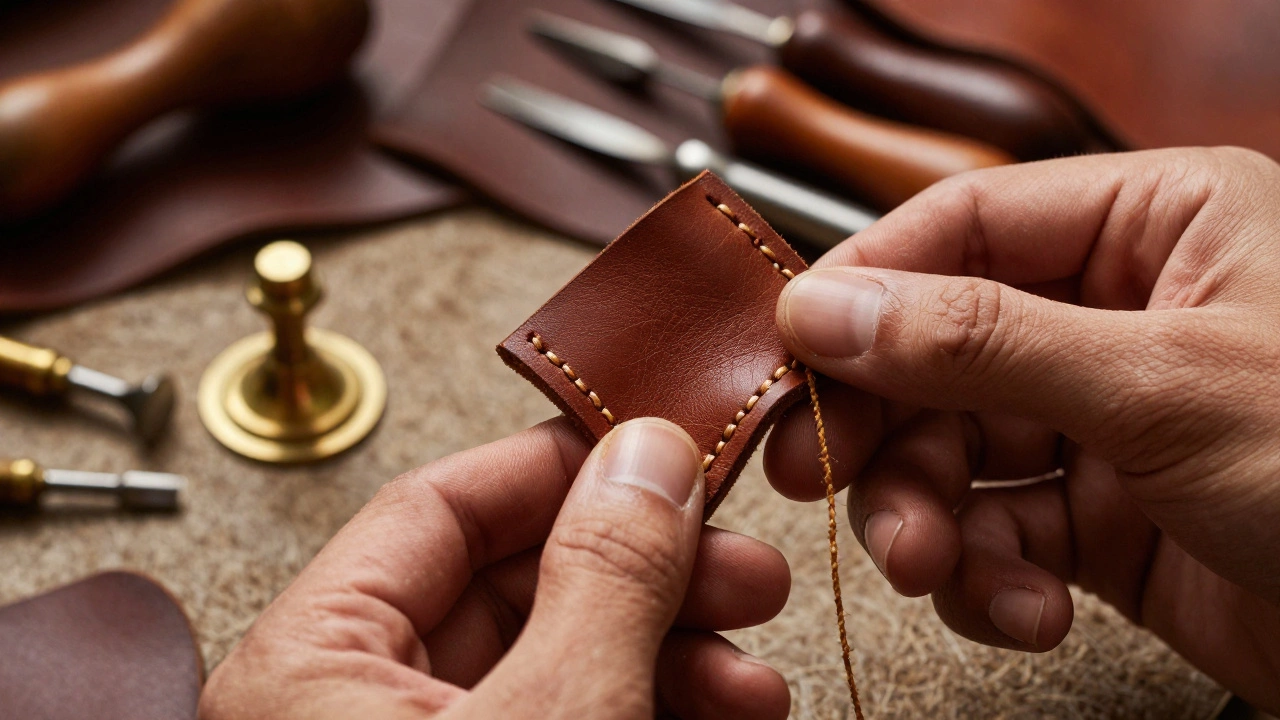
Leather never goes out of style, but fast fashion leather is losing credibility. Bespoke Leather Goods are high-quality accessories like wallets, bags, and belts crafted from full-grain leather with visible stitching and durable hardware. These items are bought once and kept for years. Customers trust craftsmanship. If you produce a minimalist leather wallet that looks better after five years of use, you build a brand reputation that competes with luxury labels at a fraction of the cost.
4. Natural Soy Wax Candles
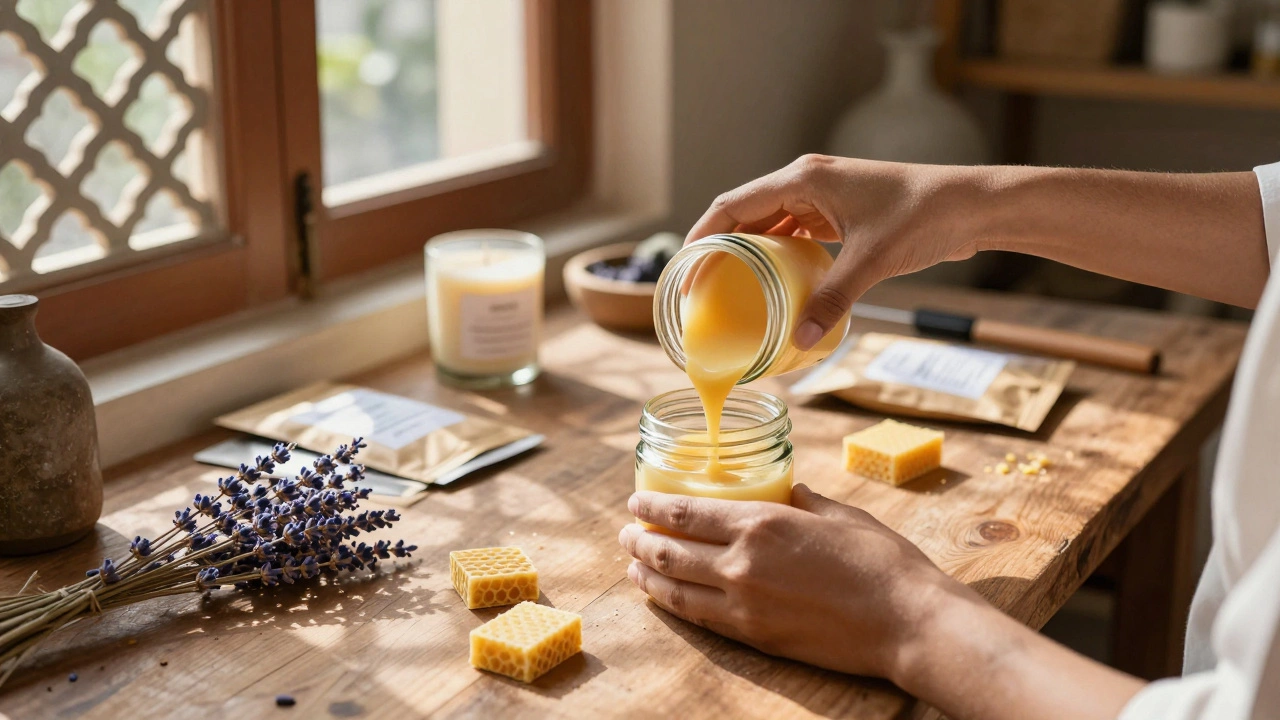
Candles remain a staple gift item. However, paraffin wax is falling out of favor. Natural Soy Wax Candles are scented candles made from renewable soybean wax, known for cleaner burns and longer burn times than traditional paraffin. The barrier to entry is low. You need a melting pot, molds, wicks, and fragrance oils. The margin is excellent. A candle costing £3 to make can sell for £15-£25 online. Unique scents inspired by memories (e.g., "Old Library," "Rainy Coffee Shop") perform better than generic "Vanilla" or "Lavender."
5. Digital Printables & Templates
This is the ultimate low-overhead craft. Digital Printables are downloadable files such as planners, wedding invitations, and art prints that customers print themselves. You create the design once and sell it infinitely. There is no inventory, no shipping, and no material cost. Tools like Canva or Adobe Illustrator allow you to create professional-grade designs. This model scales effortlessly and works perfectly alongside physical products to boost average order value.
How to Validate Your Craft Idea Before Spending Money
Don't just guess what will sell. Use data. Here is a simple three-step validation process:
- Search Volume Analysis: Use free tools like Google Trends or Ubersuggest. Type in your potential product (e.g., "wooden phone stand"). Look for upward trends over the last 12 months. If the graph is flat or declining, skip it.
- Competitor Audit: Go to Etsy or Amazon. Search for your product. Look at the best-sellers. Read their reviews. What are customers complaining about? Is the quality poor? Is the shipping slow? Your opportunity lies in solving these complaints.
- Pre-Sell Test: Create a simple landing page or Instagram post showcasing your product concept. Run a small ad campaign (£50 budget). If people click and try to buy, you have demand. If they scroll past, refine your offer.
Production Setup: From Garage to Workshop
You don't need a factory to start. Most successful craft businesses begin in a spare room or garage. However, organization is critical. As orders grow, chaos kills profit margins.
Start with essential tools only. For woodworking, a good saw and sander are enough. For candles, precise thermometers and heat-resistant containers matter. Invest in quality raw materials early. Cheap materials lead to returns and bad reviews, which destroy your brand faster than slow growth.
Consider the workflow. Separate your workspace into zones: storage, production, packing, and shipping. This minimizes movement and errors. When you receive ten orders at once, a streamlined process ensures you ship them all within 24 hours without missing items.
Pricing Strategies That Protect Your Profit
A common mistake among new crafters is underpricing. They calculate the cost of materials and add a small markup. This ignores labor, overhead, and marketing costs. Use this formula:
(Cost of Materials + Cost of Labor) x 2 = Wholesale Price
Wholesale Price x 2 = Retail Price
If a candle costs £2 in materials and takes 30 minutes to make (valued at £5 labor), your base cost is £7. Wholesale should be £14. Retail should be £28. This structure ensures you can afford to stock your products in boutiques while maintaining healthy margins for direct-to-consumer sales.
Marketing Your Craft Business in 2026
Word-of-mouth is powerful, but intentional marketing accelerates growth. Social media is your storefront. Platforms like TikTok and Instagram Reels favor short-form video content showing the "making of" process. People love watching resin pour, wood shaving, or candle dipping. It builds trust and showcases quality.
Email marketing remains the highest ROI channel. Collect email addresses from day one. Offer a discount for signing up. Send regular updates about new products, behind-the-scenes stories, and exclusive offers. Unlike social media algorithms, you own your email list.
Collaborate with micro-influencers in your niche. A home decor influencer with 10k engaged followers is more valuable than a celebrity with 10 million passive followers. Send them free products in exchange for honest reviews or feature posts.
Common Pitfalls to Avoid
- Overcomplicating Designs: Start with simple, proven designs. Complex products take longer to make and have higher failure rates.
- Ignoring Packaging: Unboxing is part of the experience. Poor packaging leads to damage and disappointment. Invest in branded tape, tissue paper, and thank-you notes.
- Scaling Too Fast: Don't hire help or rent a warehouse until you consistently exceed your capacity. Premature scaling drains cash flow.
- Copying Trends Blindly: Trends fade. Build a brand around timeless values like quality, sustainability, and personalization.
Next Steps for Aspiring Craft Manufacturers
Choosing the right craft is just the beginning. Success comes from consistency, quality control, and customer engagement. Start small, validate your idea, and iterate based on feedback. The market rewards those who solve problems beautifully.
If you are in Birmingham or elsewhere in the UK, look into local grants for creative industries. Many councils support small-scale manufacturing startups that contribute to the local economy. Additionally, join online communities of fellow makers to share tips and troubleshoot challenges.
Is starting a craft manufacturing business profitable?
Yes, craft manufacturing can be highly profitable due to high margins. Unlike mass production, handmade items command premium prices because of their uniqueness and perceived value. With proper pricing strategies and low overhead costs, many crafters achieve six-figure revenues within two to three years.
What is the easiest craft to sell online?
Digital printables and jewelry are among the easiest crafts to sell online. Digital products require no shipping or inventory, while jewelry is lightweight and inexpensive to ship. Both categories have large, active audiences on platforms like Etsy and Instagram.
Do I need a license to sell handmade crafts?
In the UK, you generally need to register as self-employed with HMRC if you earn above the trading allowance. Depending on your product type, you may also need specific licenses or safety certifications, especially for cosmetics, food items, or children's toys. Always check local regulations.
How much does it cost to start a craft business?
You can start a craft business with as little as £500-£1,000. This covers basic tools, initial raw materials, packaging, and website setup. Digital craft businesses can start even cheaper, requiring only software subscriptions and marketing budgets.
Where should I sell my handmade crafts?
Popular platforms include Etsy, Amazon Handmade, Shopify (for your own store), and local markets. Etsy is great for beginners due to its built-in traffic, while Shopify offers more control and branding opportunities. Diversifying across multiple channels reduces risk.