India's Chemical Industry Global Ranking & Growth Simulator
Context: India currently holds the 4th Position globally. This tool visualizes the gap between India and the top three nations (China, USA, Germany) based on approximate global market share percentages.
Current Global Market Share Distribution
*Estimates based on global volume data circa 2026.
#4
Global Rank
Behind China, USA, Germany
~5%
Market Share
Up from <2% in 2010
80k+
Products
Manufactured annually
3%
GDP Contribution
To Indian Economy
Sector Impact Simulator
Click a sector to see its specific contribution and global dominance statistics.
Pharmaceutical Intermediates
Global Share:
~40%
India supplies nearly 40% of the world’s active pharmaceutical ingredients (APIs). Companies like Dishman Carbogen and Divis Laboratories are key players linking directly to global healthcare supply chains.
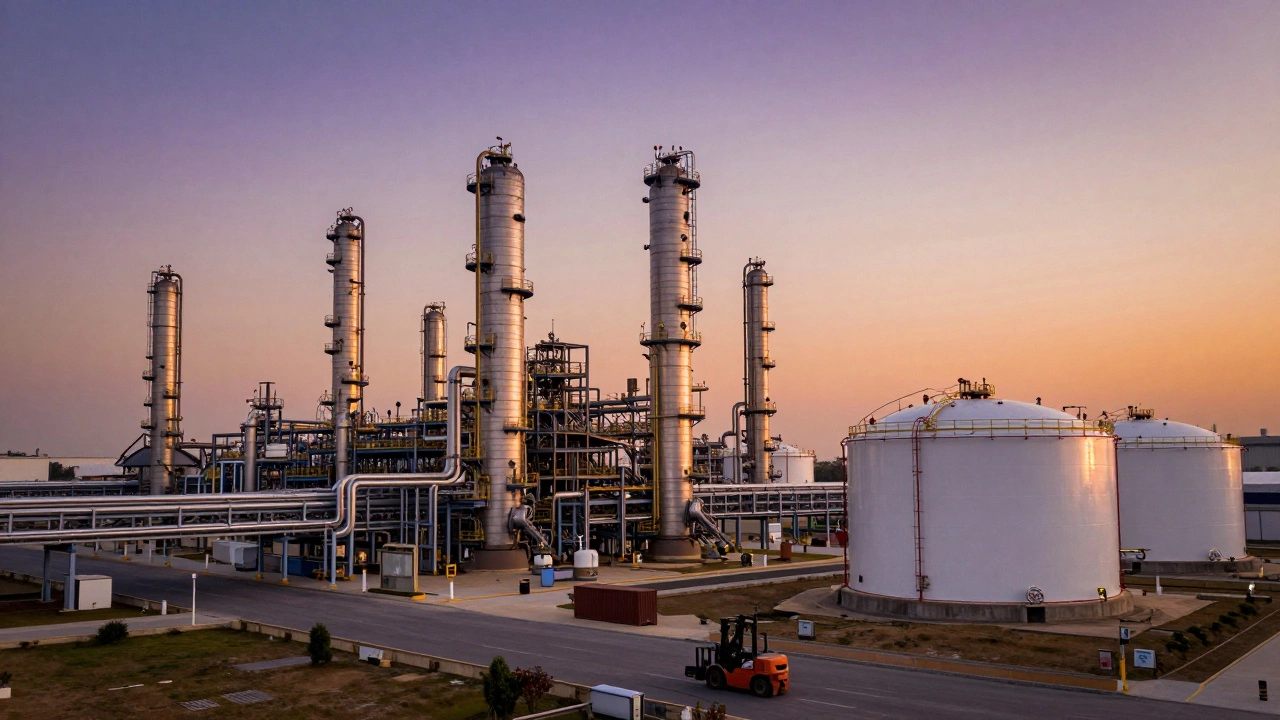
India currently holds the fourth position globally in chemical production. This ranking places the nation behind only China, the United States, and Germany. The sector contributes roughly 3% to India’s Gross Domestic Product (GDP) and accounts for about 12% of its total industrial output. As we move through 2026, this standing is not static; it reflects a decade of aggressive expansion, policy support, and shifting global supply chains.
The question of "rank" can be misleading if you look at it in isolation. A simple numerical position doesn't tell you about the quality of what is being produced, the diversity of the product mix, or the speed at which the market is growing. To understand where India truly stands, we need to break down the numbers, the key players, and the specific segments driving this growth.
The Big Picture: Global Context and Market Share
When analysts talk about the global chemical industry, they are discussing a market worth over $5 trillion. In this massive ecosystem, India’s share has grown from less than 2% in 2010 to approximately 4-5% today. While China dominates with nearly 20% of the global volume, India is closing the gap faster than most emerging economies.
The primary driver here is scale. India produces over 80,000 different chemical products. This variety is a significant advantage. Unlike countries that specialize in just one or two heavy commodities, India manufactures everything from basic fertilizers and petrochemicals to high-value pharmaceutical intermediates and agrochemicals. This breadth allows the country to remain resilient even when specific sectors face downturns.
However, the "fourth place" title comes with caveats. Per capita chemical consumption in India remains low compared to developed nations. This indicates that while production is high, domestic demand is still catching up. Much of the output is destined for export, making the industry sensitive to global trade policies and currency fluctuations.
Key Sectors Driving the Ranking
Not all chemicals are created equal. India’s rank is bolstered by dominance in specific sub-sectors where it has built a competitive moat. Understanding these pillars explains why the country maintains its position despite stiff competition.
- Pharmaceutical Intermediates: India supplies nearly 40% of the world’s active pharmaceutical ingredients (APIs). This is a critical segment because it links directly to the global healthcare supply chain. Companies like Dishman Carbogen and Divis Laboratories are key players here.
- Agrochemicals: With a large agricultural base, India is a top exporter of pesticides and fertilizers. The country produces a wide range of herbicides, insecticides, and fungicides, serving markets in Europe, North America, and Southeast Asia.
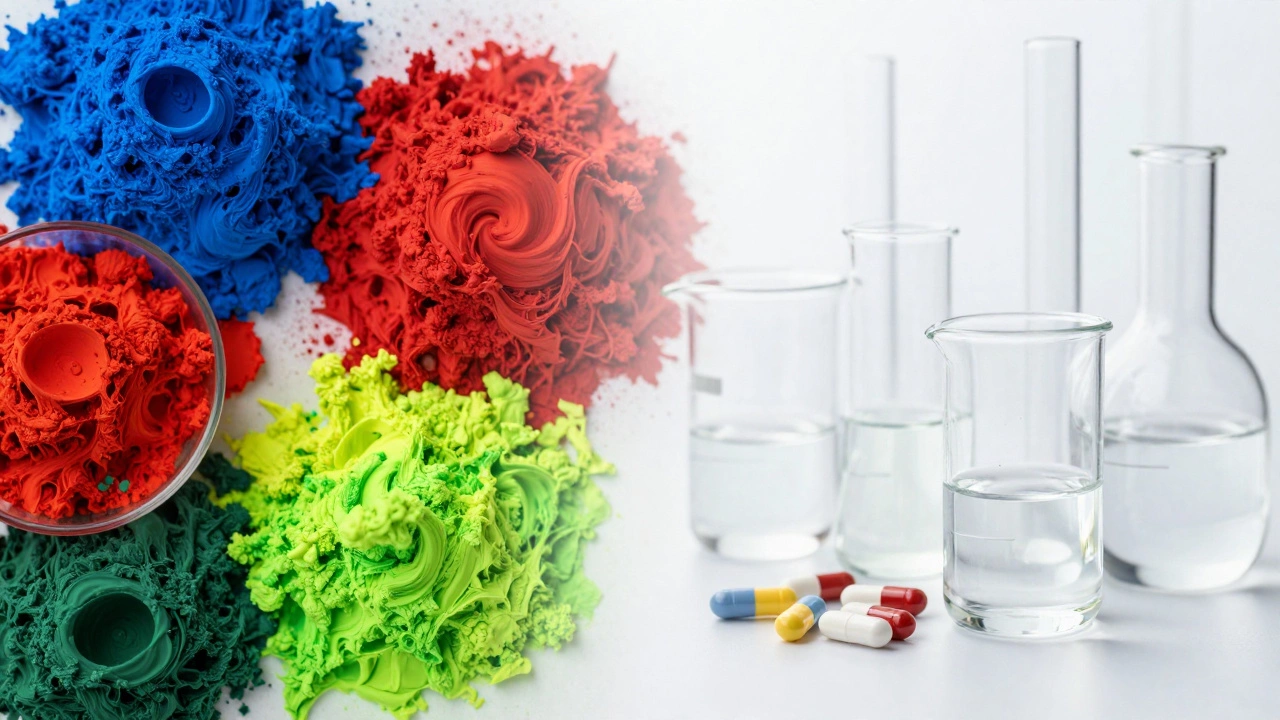
- Specialty Chemicals: This is the fastest-growing segment. It includes dyes, pigments, surfactants, and water treatment chemicals. India holds a dominant share in the global dye market, producing over 70% of the world’s synthetic dyes.
- Petrochemicals: While India imports crude oil, it has developed a robust downstream petrochemical industry. Products like polyethylene, polypropylene, and styrene are manufactured at scale, supporting the packaging and automotive sectors.
The shift toward specialty chemicals is particularly important. Basic commodities have thin margins and are subject to volatile raw material prices. Specialty chemicals offer higher margins and require more technical expertise, creating a barrier to entry for new competitors. This strategic pivot is helping India move up the value chain.
Major Players and Corporate Landscape
The Indian chemical industry is characterized by a mix of large conglomerates and specialized mid-cap companies. These entities drive innovation, capacity expansion, and international partnerships.
| Company Name | Primary Focus | Key Markets |
|---|---|---|
| BASF India | Specialty Chemicals, Agro Solutions | Global (HQ in Germany) |
| Dow Chemical India | Petrochemicals, Materials Science | North America, Asia |
| PI Industries | Agrochemicals, Crop Protection | Europe, Americas, APAC |
| SRF Limited | Silicones, Fluorochemicals, Textile Chemicals | Domestic, International |
| Aarti Industries | Pharma Intermediates, Custom Synthesis | Global Pharma Sector |
These companies do not just produce goods; they invest heavily in research and development. For instance, BASF has made India a center of excellence for its global R&D operations. Similarly, Indian firms like PI Industries and SRF have expanded aggressively through acquisitions abroad, giving them access to new technologies and markets.
The presence of multinational corporations (MNCs) alongside strong domestic players creates a healthy competitive environment. MNCs bring global standards and technology transfer, while local firms offer agility and deep understanding of regional needs. This synergy strengthens the overall industry capability.
Government Policies and Infrastructure Support
The government plays a crucial role in maintaining India’s ranking. Several initiatives launched between 2020 and 2025 have provided a significant boost to the sector.
The Production Linked Incentive (PLI) scheme for specialty chemicals and pharmaceuticals has been a game-changer. By offering financial incentives based on incremental sales, the government encouraged companies to expand capacity and adopt advanced manufacturing techniques. This policy helped attract foreign direct investment (FDI) and spurred domestic capital expenditure.
Infrastructure development has also improved significantly. The establishment of dedicated chemical parks, such as the Gujarat Chemical Park and the Andhra Pradesh Petrochemicals Complex, provides integrated facilities including waste treatment, power supply, and logistics. These clusters reduce operational costs and ensure compliance with environmental regulations, which is a major concern in the chemical industry.
Additionally, the National Policy on Chemicals aims to simplify regulatory approvals and promote sustainable practices. By streamlining clearances for new plants, the government has reduced the time required to set up manufacturing units, making India a more attractive destination for investors.

Challenges Facing the Industry
Despite the strong ranking, the industry faces several hurdles. Addressing these challenges is essential for sustaining growth and moving into the top three positions.
Environmental compliance is the biggest issue. Chemical manufacturing generates hazardous waste and emissions. Stricter norms under the Central Pollution Control Board (CPCB) require companies to invest in expensive abatement technologies. While necessary for sustainability, these costs can squeeze margins, especially for smaller players.
Raw material dependency is another concern. India imports a significant portion of its crude oil and natural gas, which are feedstocks for petrochemicals. Fluctuations in global energy prices directly impact production costs. Diversifying feedstock sources and investing in renewable alternatives could mitigate this risk in the long term.
Skilled labor shortage is also emerging as a bottleneck. The industry needs engineers and technicians with expertise in process safety, automation, and green chemistry. Educational institutions are gradually updating their curricula, but there is still a gap between industry requirements and graduate skills.
Future Outlook: Can India Reach Number One?
Reaching the number one spot is unlikely in the short term due to China’s sheer scale and established infrastructure. However, India is well-positioned to challenge Germany for the third spot within the next five years. The focus will be on quality, sustainability, and niche dominance rather than just volume.
The trend toward "China Plus One" sourcing by global buyers benefits India significantly. Multinational companies are diversifying their supply chains to reduce geopolitical risks. India offers a stable democratic environment, a large English-speaking workforce, and strong intellectual property laws, making it an ideal alternative hub.
Green chemistry and circular economy principles will shape the future. Companies that adopt sustainable processes, reduce carbon footprints, and recycle waste will gain a competitive edge. India’s commitment to net-zero emissions by 2070 aligns with this global shift, encouraging innovation in eco-friendly chemical solutions.
In summary, India’s fourth-place ranking is a testament to its industrial strength and strategic positioning. With continued policy support, technological advancement, and a focus on sustainability, the chemical sector is poised for further growth, solidifying India’s role as a key player in the global chemical landscape.
What is the current rank of India in global chemical production?
India is currently ranked fourth in the world for chemical production, following China, the United States, and Germany.
Which chemical sectors contribute most to India's ranking?
The key sectors include pharmaceutical intermediates, agrochemicals, specialty chemicals (like dyes and pigments), and petrochemicals.
How does the PLI scheme help the chemical industry?
The Production Linked Incentive (PLI) scheme provides financial rewards to manufacturers based on incremental sales, encouraging capacity expansion and adoption of advanced technologies.
Who are the top chemical companies in India?
Major players include BASF India, Dow Chemical India, PI Industries, SRF Limited, and Aarti Industries, among others.
What are the main challenges facing the Indian chemical industry?
Key challenges include strict environmental compliance costs, dependency on imported raw materials like crude oil, and a shortage of skilled technical labor.
Is India likely to surpass China in chemical production soon?
It is unlikely in the near future due to China's massive scale. However, India is expected to compete strongly for the third position against Germany in the coming years.