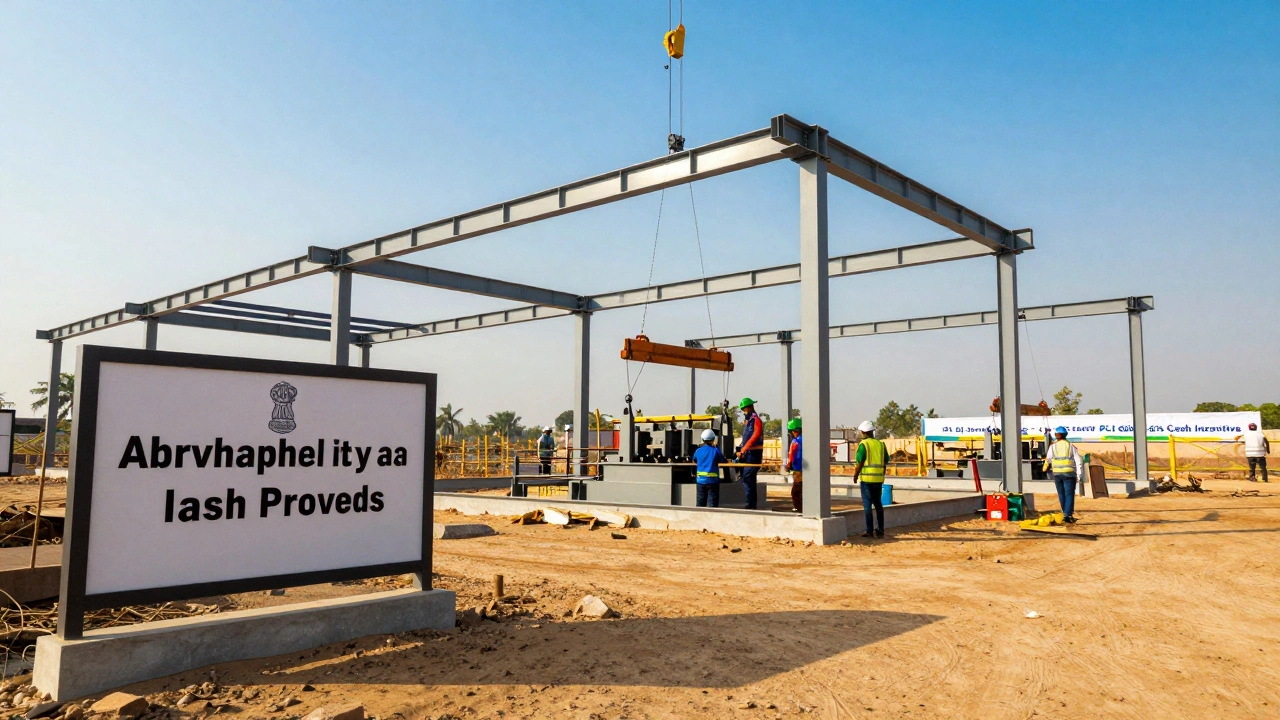
Building a factory isn’t just about finding empty land and ordering steel beams. The real savings come from government schemes that cut taxes, offer free land, pay for infrastructure, or even give cash grants just for setting up shop. If you’re looking to build a factory as cheaply as possible in 2026, where you choose matters more than how big it is.
Vietnam: The New Manufacturing Hub with Real Cash Back
Vietnam isn’t just cheap labor anymore-it’s a full-package deal. The government offers foreign manufacturers up to 20 years of corporate tax holidays, with a reduced 10% rate afterward. In special economic zones like Dinh Vu-Cat Hai or Khanh Hoa, you can get land for free or at 10% of market value. The state also builds roads, power lines, and water systems right to your factory gate. In 2025, over $12 billion in foreign direct investment flowed into Vietnam’s manufacturing sector, mostly from electronics and textile companies. A 50,000 sq ft factory in Hai Duong Province can be built for under $1.8 million, including land and permits. That’s half the cost of building the same facility in Mexico.
India: Subsidies, Not Just Low Wages
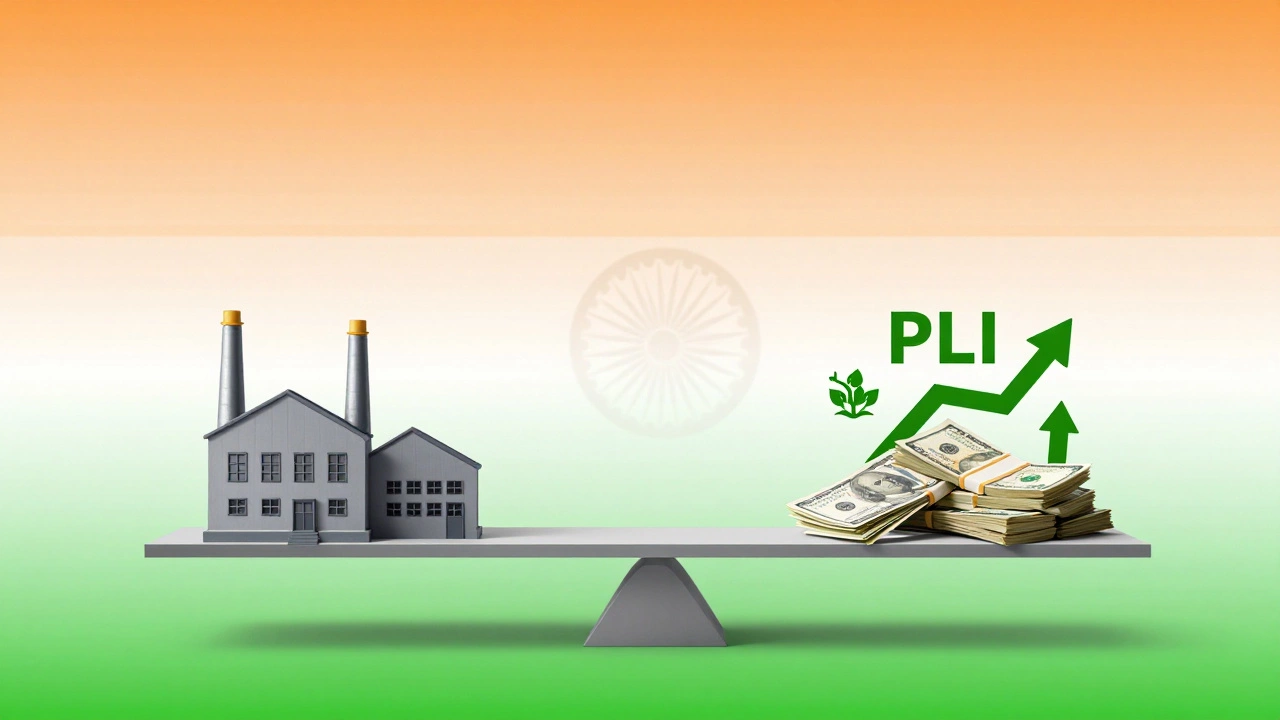
India’s Production Linked Incentive (PLI) scheme pays manufacturers up to 6% of their annual production value as a cash bonus-for five years. If you make smartphones, solar panels, or pharmaceuticals, you can get millions in direct payouts. States like Tamil Nadu and Uttar Pradesh offer additional perks: free land for projects over $50 million, 100% stamp duty exemption, and reimbursement of up to 25% of capital expenditure. A medium-sized factory in Andhra Pradesh, built on government-provided land, can cost as little as $1.2 million. The catch? Bureaucracy moves slow. But if you work with a local partner, you can cut through red tape and lock in incentives before they expire in 2027.
Mexico: Proximity + Policy = Low Cost
Mexico’s advantage isn’t just its border with the U.S.-it’s the Maquiladora Program. Factories here pay zero import duties on materials shipped in from abroad, as long as the finished goods are exported. The government also runs Centros de Desarrollo Industrial in states like Nuevo León and Querétaro, offering subsidized construction, training grants for workers, and fast-track environmental permits. A 40,000 sq ft electronics factory in Monterrey can be built for $1.5 million, including land. Labor costs are 60% lower than in the U.S., and shipping to U.S. warehouses takes under 48 hours. If your market is North America, Mexico’s combination of speed, cost, and policy support makes it the smartest middle ground.
Indonesia: Energy and Land at a Discount
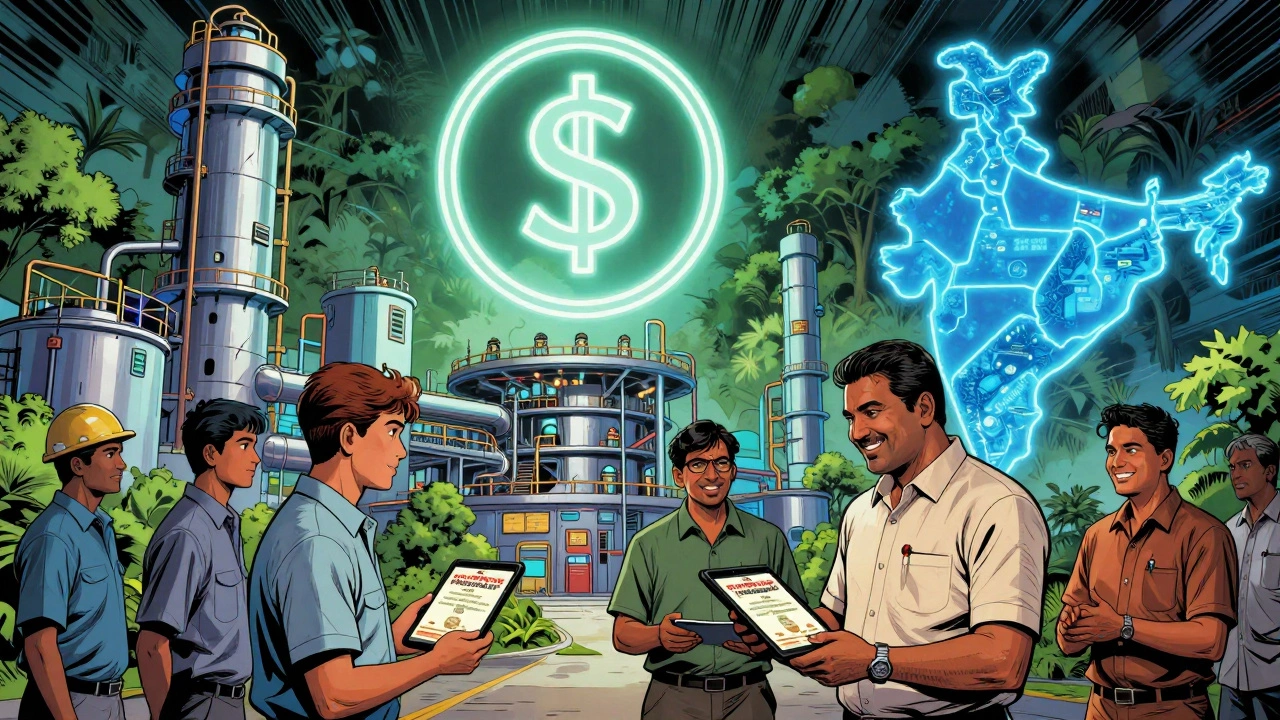
Indonesia’s government is pushing hard to become the next electronics and battery hub. In the Batam and Bintan Free Trade Zones, you get 100% foreign ownership, zero export taxes, and electricity priced at 7 cents per kWh-less than half the U.S. rate. The state also gives land leases for 60 years at 50% discount for companies that hire local workers and invest over $10 million. A 60,000 sq ft factory in West Java, with its own power substation and wastewater treatment, costs around $1.6 million. The downside? Logistics can be messy outside major ports. But if you’re building for the ASEAN market or making batteries for electric vehicles, Indonesia’s energy and land deals are unmatched.
Poland: The EU’s Best-Kept Secret
Don’t assume Europe is too expensive. Poland’s government offers up to 50% of your capital investment back as a grant through the Operational Programme Infrastructure and Environment. Factories in special economic zones like Łódź or Katowice get free land, tax exemptions for 15 years, and training subsidies for every new employee. A 30,000 sq ft automotive parts plant in Silesia cost $1.1 million to build in 2025-including automation lines. Labor is 40% cheaper than in Germany, and the EU’s single market means you can ship to 27 countries without tariffs. If you’re targeting Europe and need reliable infrastructure, Poland is the cheapest and most stable option in the bloc.
Why Not China Anymore?
China used to be the default choice. But in 2026, the game has changed. While labor is still cheap, the government is cutting subsidies for foreign manufacturers and pushing companies to move to inland provinces with worse logistics. Import tariffs on U.S.-made equipment have gone up. Environmental rules are stricter, and local suppliers now charge more as demand rises. A factory that cost $2 million in Guangdong five years ago now costs $2.8 million. The government no longer offers cash grants to foreign firms-it’s all about forcing tech transfer and local ownership. If you want low cost without the political risk, China is no longer the answer.
What You Should Do Next
Don’t just pick the country with the lowest labor cost. Look at the full package:
- Check if the country offers capital investment grants (cash back on equipment and buildings)
- See if land is free or heavily discounted
- Verify energy prices-electricity and gas can make or break your operating costs
- Confirm import/export rules-can you bring in machinery duty-free?
- Ask about worker training subsidies-many governments pay for your first 50 hires
Visit the official investment promotion websites. Vietnam’s VCCI, India’s DIPP, Mexico’s PROSEC, Indonesia’s BKPM, and Poland’s Krajowa Agencja Inwestycji i Handlu all have English portals with downloadable incentive guides. Some even have online calculators that show your exact savings based on your factory size and industry.
Red Flags to Watch For
Not all ‘cheap’ locations are smart. Avoid places where:
- Government incentives are tied to export quotas you can’t meet
- Land titles are unclear or controlled by local officials
- Power outages happen more than twice a month
- The government requires you to partner with a local company
- There’s no clear timeline for when incentives expire
One U.S. company tried to build in Cambodia because labor was cheaper than Vietnam. They got stuck for 14 months waiting for permits, then lost their tax break because the government changed the rules mid-project. Always get legal advice from someone who’s done this before.
Bottom Line: The Cheapest Factory Is the One You Can Actually Build
The cheapest place to build a factory in 2026 isn’t the one with the lowest price tag-it’s the one where the government makes it easy to start, operate, and grow. Vietnam and India lead in cash incentives. Mexico wins for speed and proximity. Poland offers the safest EU option. Indonesia gives you cheap energy. China is no longer the bargain it once was.
Focus on the package, not just the sticker price. A factory that costs $1.4 million but gets you $400,000 in grants, free land, and 10 years of zero taxes is cheaper than one that costs $1 million with no support. Do the math. Talk to companies already there. And never sign a deal without a written guarantee from the government-verbal promises don’t survive elections.
What country offers the most cash back for building a factory?
India offers the highest direct cash incentives through its Production Linked Incentive (PLI) scheme, paying up to 6% of annual production value for five years. For large-scale projects, this can mean millions in rebates. Vietnam and Poland also offer significant grants-up to 50% of capital investment in Poland and tax holidays worth 20%+ of operating costs in Vietnam.
Is it cheaper to build a factory in Mexico or Vietnam?
Vietnam is cheaper for land and labor, with total factory costs as low as $1.8 million for a medium-sized facility. Mexico is slightly more expensive at $1.5 million but offers faster access to U.S. markets, lower shipping costs, and simpler logistics. If your main market is North America, Mexico saves you more in the long run. If you’re targeting Asia or global exports, Vietnam wins on upfront cost.
Can I get free land to build a factory?
Yes, in several countries. Vietnam offers free land in special economic zones for qualifying manufacturers. India’s state governments like Tamil Nadu and Andhra Pradesh give land at no cost for projects over $50 million. Indonesia provides 60-year leases at 50% discount in free trade zones. Poland gives free land in special economic zones if you create at least 100 jobs. Always get the terms in writing-some offers require job creation or export targets.
How long do government factory incentives last?
Most incentives last 5 to 15 years. India’s PLI scheme runs for five years. Vietnam’s tax holidays can last up to 20 years. Poland’s grants are paid upfront but tied to a 5-year employment commitment. Mexico’s Maquiladora benefits last as long as you export 100% of production. Always check expiration dates-many programs end in 2027 or 2028, so timing matters.
Are there hidden costs when building a factory overseas?
Yes. Many companies forget about legal fees, translation costs, local compliance audits, and delays in permits. Some countries require you to hire local consultants just to apply for incentives. Power reliability can be an issue-India and Indonesia sometimes have rolling blackouts. Shipping delays and currency fluctuations also add risk. Always budget 15-20% extra for unexpected costs, and never rely on verbal promises from local officials.