UK Manufacturing Prototype Cost Calculator
Prototype Cost Calculator
Estimate costs for your manufacturing prototype based on UK makerspace rates
You’ve got a manufacturing idea that could change how things are made-something simple, clever, and cheap to produce. But you don’t have a patent. Maybe you can’t afford one. Maybe you’re still testing the waters. Maybe you’re just starting out and don’t know where to begin. Sell an idea without a patent? It’s not only possible-it’s done every day by people who never waited for legal paperwork to start making money.
Why patents aren’t the first step
Most people think a patent is the only way to protect an idea. That’s a myth. Patents take 18-36 months to get in the UK, cost £4,000-£6,000 in fees and legal help, and only protect you if you’re willing to sue. Most small manufacturers can’t afford that fight. And even if you file, your idea can still be copied while you wait. The real game isn’t about locking your idea away-it’s about moving faster than anyone else can copy it.Look at the UK’s small manufacturing scene. In Birmingham, a guy turned a simple plastic bottle cap design into £200,000 in sales in 11 months-no patent. How? He didn’t wait. He built a prototype, found a local CNC shop, made 500 units, and pitched them to three local garden tool brands. One bought 3,000 units on the spot. He didn’t need a patent. He needed a sample, a story, and a customer who saw the value.
Step 1: Build a working prototype
No one buys a sketch. They buy something they can hold, test, and see working. You don’t need a fancy lab. In the UK, you can get a 3D-printed prototype for under £100 at makerspaces like Make Birmingham or Innovation Birmingham. Use cheap materials-acrylic, PLA plastic, even recycled metal. The goal isn’t perfection. It’s proof.Take a local example: a woman in Wolverhampton designed a new clamp for metalworkers. She used scrap steel and a drill press to make three units. She filmed a 90-second video showing it holding a 200kg pipe while traditional clamps failed. She sent it to 12 local fabrication shops. Two ordered 50 each. No patent. Just a working model and a clear problem it solved.
Step 2: Find your first buyer before you make more
The smartest move? Don’t mass-produce until someone pays you. Start small. Target local manufacturers, repair shops, or niche suppliers who already buy similar parts. Attend Birmingham’s monthly Manufacturing Connect meetups. Talk to workshop owners. Offer to make 10 units for free if they’ll test them and give you feedback. Most will say yes.Why? Because they’re tired of waiting for big suppliers. They want something that works now. If you can solve a real, daily problem-like a tool that jams less, a part that reduces waste, or a design that cuts assembly time-you’ve got leverage. And once they use it, they’ll tell others. Word spreads faster than patents.
Step 3: Use non-disclosure agreements (NDAs) wisely
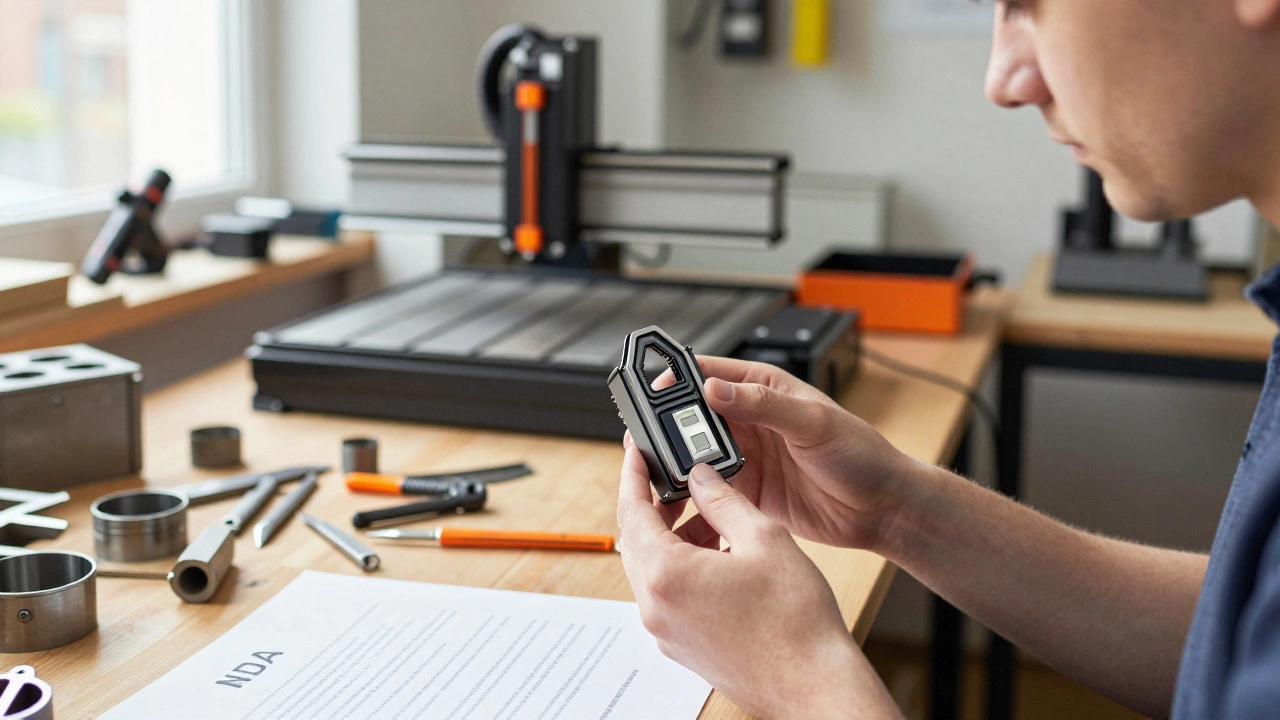
You don’t need a patent to stop someone from stealing your idea-you need a signed NDA. But not the kind you download off the internet. Use a simple, one-page agreement that says:- The buyer agrees not to copy, reverse-engineer, or share your design.
- You own all rights to the idea.
- They can only use it for testing, not production.
Most small manufacturers will sign. They don’t want legal trouble. In fact, many prefer working with people who have clear terms. You can get a free NDA template from the UK Intellectual Property Office website. Print it, sign it, and keep a copy. It’s not a patent-but it’s a legal paper trail.
Step 4: Control the supply chain
The best way to protect your idea? Make it hard to copy. That means controlling the materials, the tools, or the process. For example:- Use a unique alloy that only one UK supplier carries.
- Design a part that requires a specific CNC program no one else has.
- Build in a hidden feature only you know how to replicate.
One manufacturer in Coventry made a custom hinge for outdoor sheds. He didn’t patent it. Instead, he used a rare brass alloy only available from a single Midlands supplier. He also coded the CNC machine with a password only he knew. Copying it wasn’t impossible-but it was expensive and slow. He sold 15,000 units in 14 months. No patent. Just smart supply chain control.
Step 5: Launch fast, build brand trust
Speed beats patents. If you can get your product to market before someone else even hears about it, you win. Use Instagram, Facebook Groups, or LinkedIn to show your product in action. Post videos of it being used. Tag local businesses. Get real users to leave reviews.Think of it like this: if you’re the first to sell a solution to a problem, people will remember your name. They’ll come back. They’ll refer others. That’s brand power-and it’s worth more than a patent. A small manufacturer in Stoke-on-Trent launched a new screwdriver bit for electricians. No patent. Just 12 YouTube videos showing it working in tight spaces. Within six months, he was selling 800 units a month. His brand became the go-to name. Patents? He never filed one.
What to avoid
Don’t show your idea to random companies without an NDA. Don’t post full CAD files online. Don’t tell manufacturers you’re “waiting to patent” unless you already filed. That makes you look inexperienced.Also, don’t waste money on patent agents who promise “global protection.” Most international patents cost £20,000+. For a small manufacturer, that’s suicide. Focus on the UK first. If you grow, you can file later.
Real examples from UK manufacturers
- Smart Lock for Toolboxes - A Birmingham welder designed a magnetic lock that only opens with a key fob. He made 20 units, sold them to local tradesmen, and now sells 300/month. No patent.
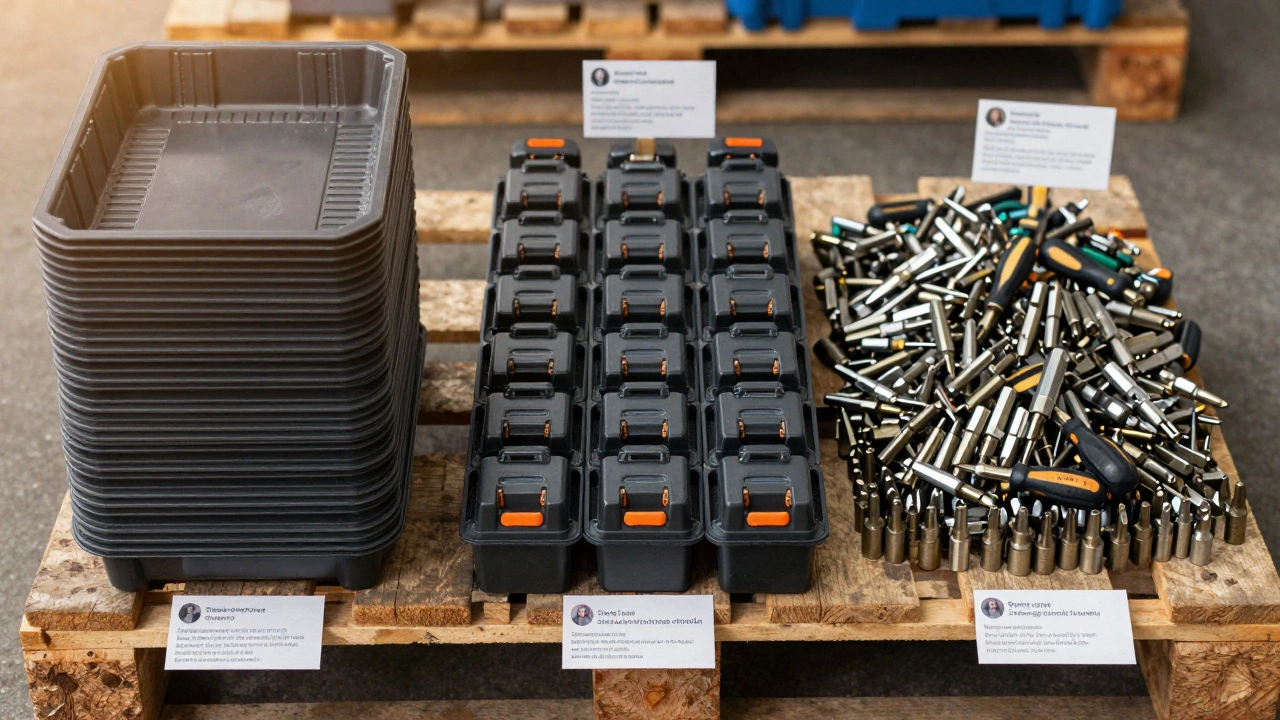
- Reusable Packaging for Small Parts - A woman in Leicester made stackable plastic trays for auto parts. She used recycled HDPE and a local injection molder. Sold 5,000 in 4 months. No patent.
- Quick-Release Blade Holder - A Nottingham sawmill owner built a new blade clamp that cuts changeover time from 10 minutes to 30 seconds. He gave 10 away for free. All 10 ordered 50 more. No patent.
When should you consider a patent?
Only if:- You’re planning to license your idea to big manufacturers (e.g., Bosch, Festool).
- Your idea has a long lifespan (5+ years).
- You have funding to defend it in court.
For 95% of small manufacturers? Skip it. Focus on execution. Build relationships. Deliver value. Move faster than your competitors.
Final tip: Your idea is only as good as your first sale
The moment someone hands you money for your idea, it’s no longer just an idea. It’s a product. And once it’s in use, it’s already protected-not by law, but by momentum. People trust what they’ve seen work. They buy from who they know. They repeat with who delivers.You don’t need a patent to sell an idea. You need a prototype, a customer, and the guts to start before you’re ready.
Can I sell my manufacturing idea without ever filing a patent?
Yes, absolutely. Many UK manufacturers sell ideas without patents by using NDAs, building prototypes, and securing early buyers. Patents are expensive and slow. What matters more is proving your idea works in real use and building trust with customers who will buy and recommend it.
How do I protect my idea when pitching to manufacturers?
Use a simple, signed Non-Disclosure Agreement (NDA) before sharing details. You can download a free template from the UK Intellectual Property Office. Make sure it clearly states they can’t copy, reverse-engineer, or share your design. Most small manufacturers will sign-it protects them too from legal risk.
Is it risky to show my idea to a factory before I have a patent?
It’s risky only if you don’t have a plan. The real risk is waiting too long. Most factories won’t steal your idea-they’re too busy with their own work. But if you show a full CAD file or detailed specs without an NDA, you’re inviting trouble. Always start with a physical prototype and a signed agreement. Then, get your first order. Once you have paying customers, your idea becomes harder to copy.
What’s the cheapest way to make a prototype for manufacturing?
Use local makerspaces like Make Birmingham or Innovation Birmingham. They offer 3D printing for under £50, laser cutting for £20/hour, and access to CNC machines. You can also work with small local workshops that do custom jobs. Many will build a test unit for free if you promise a future order. The goal isn’t perfection-it’s proof of concept.
Can I sell my idea to a big company without a patent?
It’s possible, but harder. Big companies usually require patents or formal IP protection before licensing. But if you’ve already sold 1,000 units to smaller customers, you can use that as proof of market demand. That makes your idea much more attractive. Some companies will buy your production process or brand outright-even without a patent-if the sales data is strong.