Historical Inflation Calculator
Calculate Historical Value
Andrew Carnegie sold his steel company to J.P. Morgan for $480 million in 1901. This calculator shows what that amount would be worth in any year since 1901.
Result
$0.00
Annual inflation rate: 0.00%
Based on the U.S. Bureau of Labor Statistics inflation calculator data. This calculation shows the purchasing power of $480 million in 1901 in today's dollars.
Andrew Carnegie, born in 1835 in Scotland, rose from poverty to become one of the most influential industrialists in history. His name is forever tied to the steel industry, where he earned the title King of Steel through groundbreaking innovations and massive scale. By the late 1800s, his company dominated global steel production, supplying materials for railroads, bridges, and the iconic skyscrapers of the era. This article explores his journey, legacy, and why he remains a pivotal figure in manufacturing history.
Who Was Andrew Carnegie?
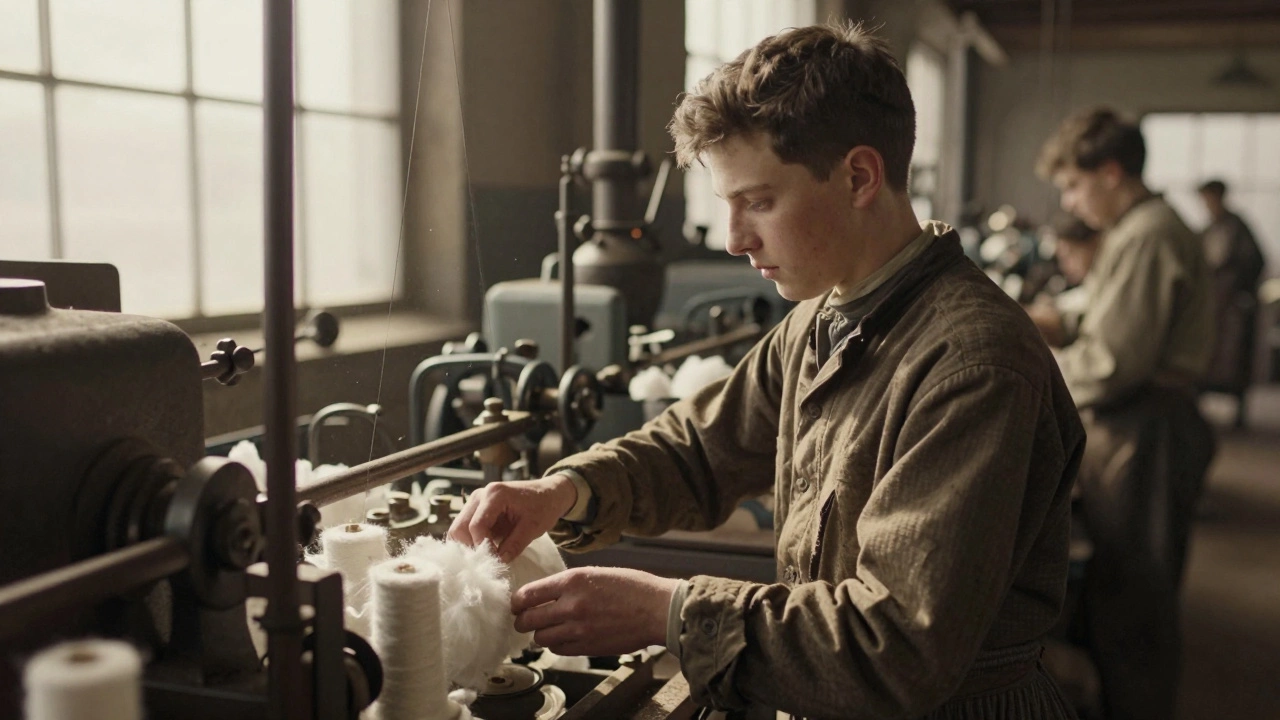
Andrew Carnegie was born in Dunfermline, Scotland, in 1835. His family immigrated to the United States in 1848, settling in Pittsburgh. Starting as a bobbin boy in a textile factory at age 13, Carnegie worked his way up through the railroad industry before shifting to steel. His relentless work ethic and strategic investments laid the foundation for his steel empire. He became one of the wealthiest men in America, but his legacy extends far beyond business success.
Building the Steel Empire
Carnegie Steel Company was officially formed in 1892, consolidating Carnegie's various steel ventures. Under his leadership, the company became the largest steel producer in the world by 1899, manufacturing over 10 million tons of steel annually. Carnegie's factories in Pittsburgh used cutting-edge technology and vertical integration to control every step of production, from raw materials to finished products. This efficiency allowed him to undercut competitors and dominate the market.
The Bessemer Process and Industrial Revolution
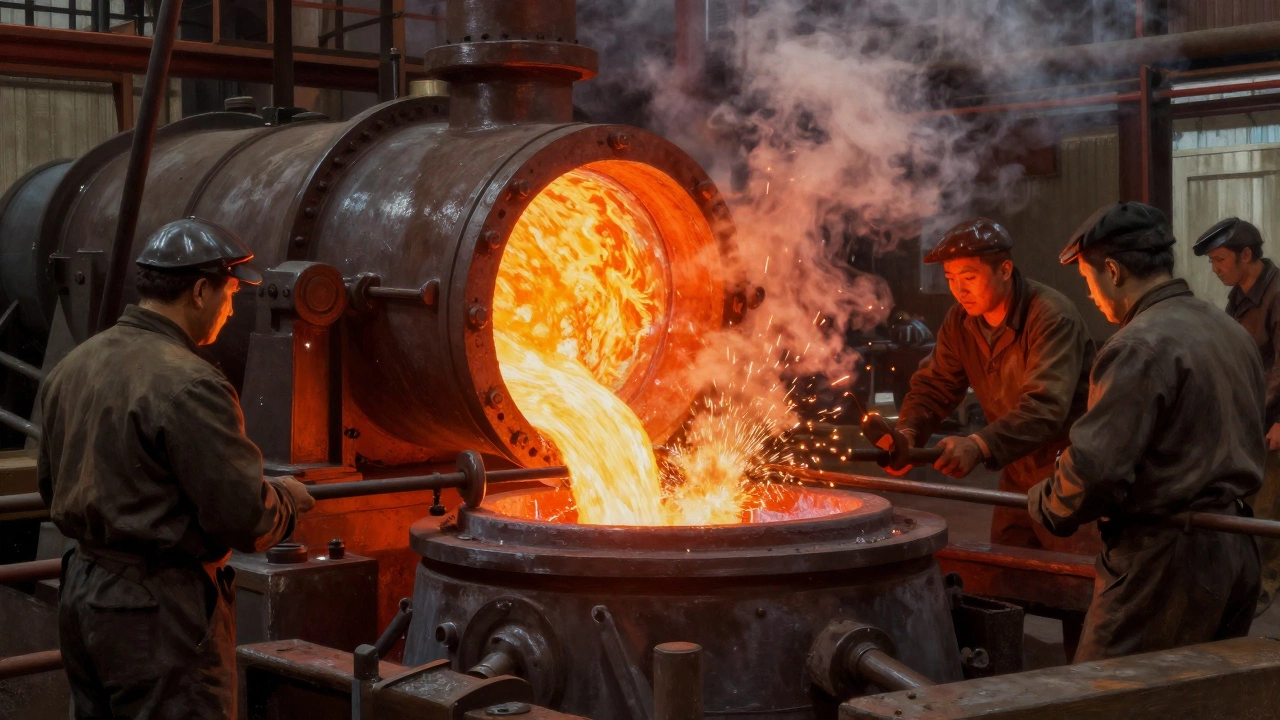
The Bessemer process, developed by Henry Bessemer in 1856, revolutionized steelmaking by enabling mass production. Carnegie was an early adopter, investing heavily in this method. Unlike previous techniques, the Bessemer process blew air through molten iron to remove impurities, drastically reducing costs and time. This innovation made steel affordable for railroads, bridges, and construction projects, fueling America's industrial growth. Carnegie's adoption of the process gave him a massive competitive edge, allowing him to scale production far beyond rivals.
The Homestead Strike and Controversies
Despite his successes, Carnegie's legacy has a darker side. The Homestead Strike of 1892 at his Homestead Steel Works in Pennsylvania turned violent when workers protested wage cuts. Carnegie's management hired Pinkerton agents to suppress the strike, leading to a deadly confrontation. Although Carnegie claimed he wasn't involved, the incident severely damaged his reputation. It highlighted the harsh realities of industrial labor practices during the Gilded Age, contrasting sharply with his later philanthropy.
The Sale to U.S. Steel
In 1901, J.P. Morgan orchestrated the sale of Carnegie Steel Company for $480 million-equivalent to about $17 billion today. This deal created U.S. Steel, the world's first billion-dollar corporation. Morgan consolidated Carnegie's company with others to form this industrial giant, which dominated the steel industry for decades. Carnegie retired from business after the sale, dedicating his life to philanthropy. This transaction remains one of the largest in history, marking the end of Carnegie's direct involvement in steel.

Carnegie's Philanthropic Legacy
After selling his steel empire, Carnegie devoted his fortune to charity. He funded over 2,500 public libraries worldwide, believing access to knowledge was key to social mobility. He also established Carnegie Mellon University and supported causes like world peace and scientific research. His donations totaled over $350 million during his lifetime-more than $10 billion in today's dollars. This generosity earned him respect even as his business practices faced criticism, creating a complex legacy that balances industrial ruthlessness with humanitarian impact.
Why He's Called the King of Steel
Andrew Carnegie earned the title King of Steel not just for his wealth, but for reshaping the entire industry. His innovations in production, relentless focus on efficiency, and dominance in the market made him the central figure in steel manufacturing during the Industrial Revolution. No other individual had such a profound impact on steel production on a global scale. His company supplied the backbone for America's infrastructure boom, and his name became synonymous with the steel industry itself. While others played roles, Carnegie's scale and influence were unmatched, solidifying his place as the true King of Steel.
| Year | Event |
|---|---|
| 1835 | Born in Dunfermline, Scotland |
| 1848 | Moved to Pittsburgh, USA |
| 1865 | Founded Carnegie Brothers & Company |
| 1892 | Formed Carnegie Steel Company |
| 1899 | Produced 10 million tons of steel annually |
| 1901 | Sold to J.P. Morgan for $480 million |
| 1919 | Died, leaving estate to philanthropy |
Who is known as the King of Steel?
Andrew Carnegie, the Scottish-American industrialist, is known as the King of Steel for building the largest steel company in the world during the late 1800s. His innovations in production and dominance in the industry made him a central figure in the Industrial Revolution.
Did Andrew Carnegie invent steel?
No, Carnegie did not invent steel. Steelmaking has existed for centuries. However, he revolutionized the industry by adopting and scaling the Bessemer process, which allowed for mass production of steel at lower costs, making it widely available for infrastructure projects.
What was the significance of the Bessemer process in Carnegie's success?
The Bessemer process allowed steel to be produced quickly and cheaply by blowing air through molten iron. Carnegie's early adoption of this technology gave his company a massive competitive advantage, enabling him to dominate the market and supply steel for railroads, bridges, and skyscrapers across America.
How did the Homestead Strike affect Carnegie's reputation?
The Homestead Strike of 1892 turned violent when workers protested wage cuts at Carnegie's Homestead Steel Works. Although Carnegie claimed he wasn't involved, the use of Pinkerton agents to suppress the strike led to deaths and damaged his reputation. It became a symbol of the harsh labor conditions of the era, contrasting with his later philanthropy.
What happened to Carnegie Steel Company after the sale?
After Carnegie sold his company to J.P. Morgan in 1901, it became part of U.S. Steel, the world's first billion-dollar corporation. The original Carnegie Steel Company ceased to exist as a separate entity, but its legacy continued through U.S. Steel's dominance in the industry for decades.
How much was Carnegie's sale of his steel company worth in today's dollars?
Carnegie sold his steel company for $480 million in 1901, which is equivalent to approximately $17 billion in today's dollars. This transaction was one of the largest business deals in history at the time and marked the peak of his industrial career.
What were Andrew Carnegie's major philanthropic contributions?
Carnegie donated over $350 million (over $10 billion today) to philanthropy. He funded more than 2,500 public libraries worldwide, established Carnegie Mellon University, and supported causes like world peace and scientific research. His charitable work remains one of the largest in history.
Is there any modern-day figure known as the King of Steel?
No modern figure holds the title "King of Steel." The title is historically specific to Andrew Carnegie due to his unparalleled dominance in the steel industry during the Industrial Revolution. Today's steel industry is global and fragmented, with companies like ArcelorMittal as the largest, but none have the singular influence Carnegie had.