- Is AbbVie owned by Abbott? - Unraveling the corporate link between two pharma giants Oct 20, 2025
- Most Profitable Manufacturing Businesses in the USA 2025 Oct 19, 2025
- Booming Small-Scale Manufacturing Businesses in 2024 Feb 17, 2025
- Surat: India's Top Textile City - Which City Leads the Industry? Oct 2, 2025
- What Is India’s Rank in Electronics Production? Jan 9, 2026
Food Processing Units: What They Are and Why They Matter
Ever walked into a supermarket and wondered how fresh fruits become frozen berries or how milk turns into cheese? That magic happens inside food processing units. These are the plants, factories, and even small workshops where raw ingredients are turned into safe, tasty, and longer‑lasting products. In India, food processing is a fast‑growing sector because it helps farmers sell more, cuts waste, and creates jobs.
Key Types of Food Processing Units
Not all processing units look the same. Some focus on preservation – think canning, freezing, and drying – while others specialize in value‑addition, like turning tomatoes into ketchup or wheat into ready‑to‑cook noodles. Here’s a quick rundown:
- Preservation plants: Use heat, cold or chemicals to keep food fresh longer.
- Dairy facilities: Convert milk into yogurt, cheese, and butter.
- Beverage units: Produce juices, soft drinks, and alcoholic drinks.
- Snack manufacturers: Make chips, biscuits, and ready‑to‑eat mixes.
- Meat and poultry processors: Handle cleaning, cutting, and packaging of animal protein.
Each type needs specific equipment, quality checks, and compliance with food safety rules. Choosing the right kind of unit depends on what raw material you have and what market you’re targeting.
Tech Trends Driving Modern Food Processing
Automation and data are changing the game. Sensors now monitor temperature and humidity in real time, so you avoid spoilage. Robots can sort, pack, and even taste‑test products, cutting labor costs and boosting consistency. Meanwhile, AI helps predict demand, so factories don’t over‑produce and waste resources.
Another hot trend is sustainability. More units are adopting solar power, water‑recycling systems, and biodegradable packaging. This not only reduces the carbon footprint but also appeals to eco‑conscious shoppers who are willing to pay a bit more for greener products.
If you’re thinking about setting up a food processing unit, start by mapping the supply chain. Identify reliable farmers or raw‑material suppliers, figure out transportation logistics, and check local regulations. A small‑scale unit can begin in a warehouse with basic equipment, then upgrade as demand grows.
Financing is often a hurdle. In India, schemes like the Pradhan Mantri Kisan Sampada Yojana provide subsidies and low‑interest loans for food processing projects. Pair those incentives with a clear business plan that includes market research, cost analysis, and a timeline for scaling.
Finally, quality can’t be an afterthought. Implement HACCP (Hazard Analysis Critical Control Points) or ISO 22000 standards from day one. Good quality builds brand trust, reduces recalls, and opens doors to export markets, where standards are even stricter.
Bottom line: Food processing units are the bridge between farm and fork. They add value, extend shelf life, and create economic opportunities. By embracing modern tech, sustainable practices, and solid planning, you can turn a simple ingredient into a profitable product line that meets today’s hungry consumers.
Food Processing
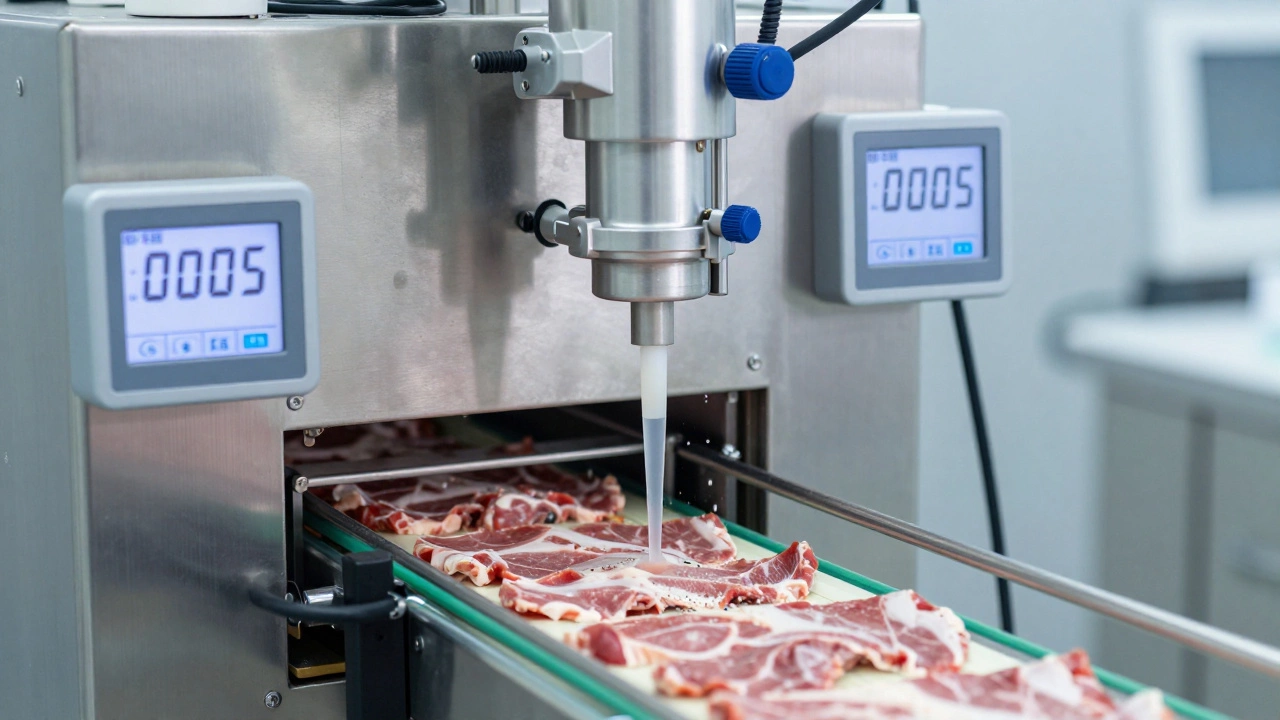
What is .0005 called in food processing units?
- Aarav Sekhar
- Mar 4, 2026
In food processing, .0005 refers to five ten-thousandths-a tiny but critical tolerance for additives like preservatives and flavorings. This decimal precision ensures safety, compliance, and consistency across millions of food units.
Food Processing
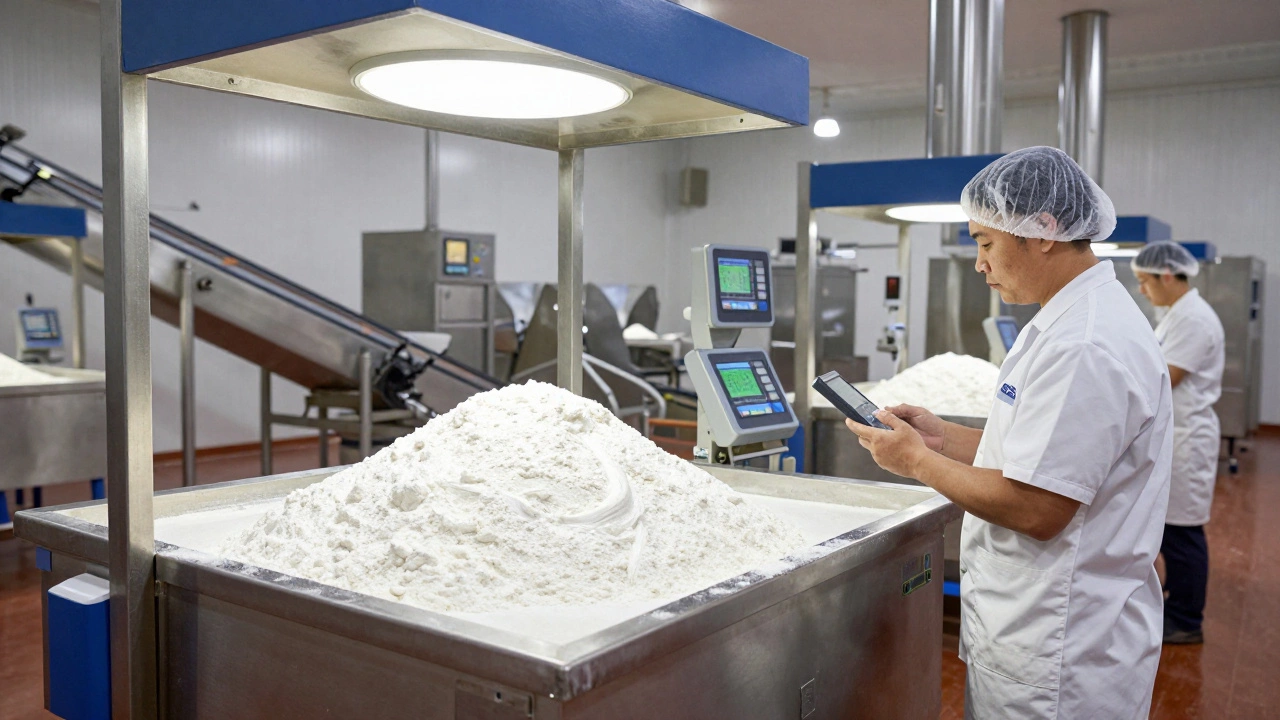
What Are 10 Units of Measurement Used in Food Processing?
- Aarav Sekhar
- Dec 23, 2025
Discover the 10 essential units of measurement used in food processing - from kilograms and liters to degrees Brix and psi - and why precision matters for safety, quality, and compliance in the industry.
Food Processing
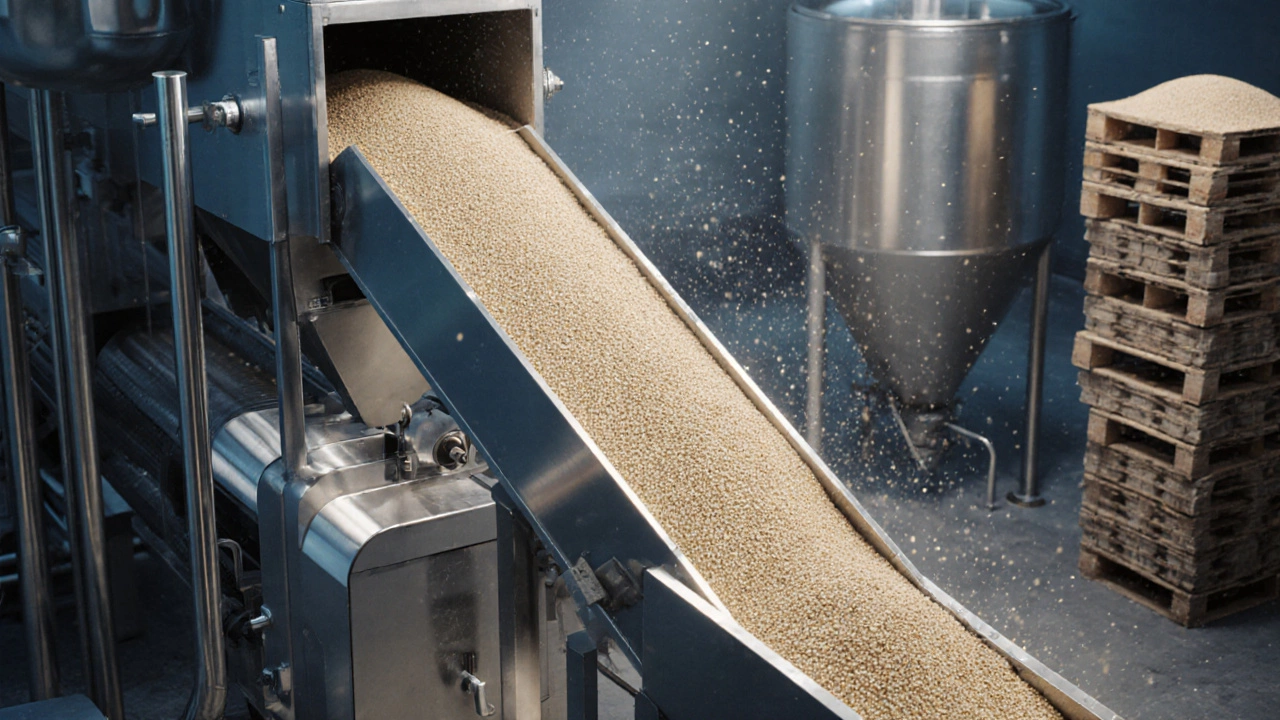
Food Processing Unit Classification: Types and Examples
- Aarav Sekhar
- Oct 25, 2025
Learn how food processing units are classified into primary, secondary and tertiary stages, plus thermal, mechanical, biochemical and packaging sub‑categories.
Food Processing
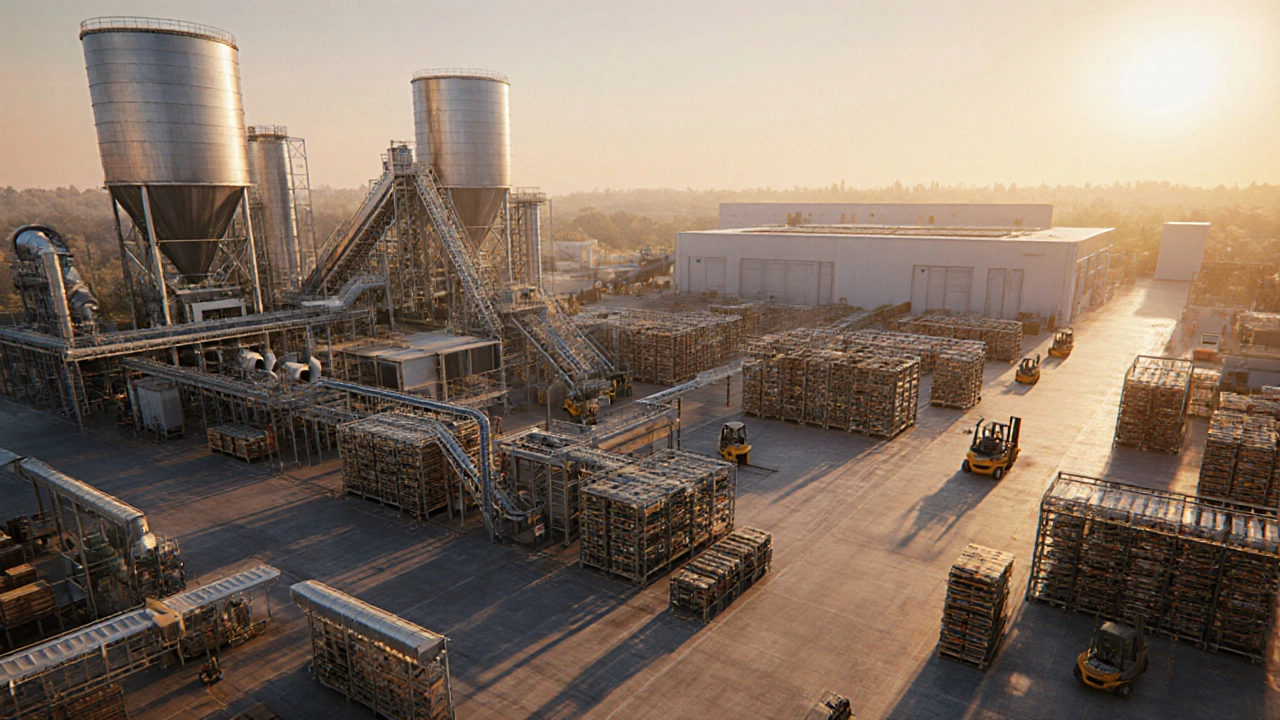
Food Industry Units Explained: Types, Functions & Key Metrics
- Aarav Sekhar
- Oct 8, 2025
Explore the main units of the food industry-processing, packaging, distribution, retail, and more-plus their functions, key metrics, and optimization tips.

Food Processing
Top 3 Alternative Names for Food Processing Units (CPUs)
- Aarav Sekhar
- Feb 24, 2025
When it comes to food processing units, also known as CPUs, there’s more to know than just the name. In the food industry, these units are often referred to by various terms. Understanding these alternative names can help you navigate the kitchen appliance market more efficiently. This article explores three other common names for these essential food processing tools.