- Does the US make steel anymore? Here's what's really happening Feb 27, 2026
- Discover India's Furniture Capital: Unveiling the Top State for Furniture Mar 12, 2025
- How to Enter Manufacturing: Practical Steps for 2025 Oct 14, 2025
- Top 3 Alternative Names for Food Processing Units (CPUs) Feb 24, 2025
- Indian Textile Industry Collapse: What Really Happened and What It Means for Manufacturers Apr 23, 2025
Food Processing – What You Need to Know
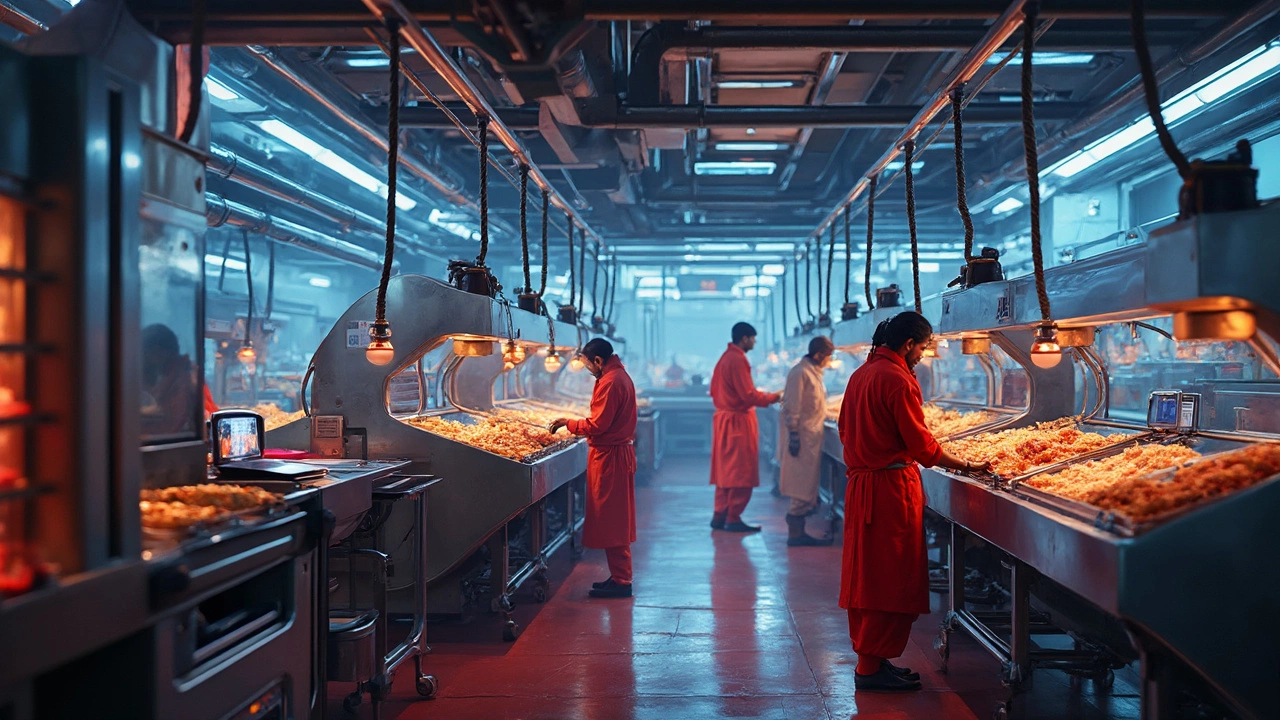
If you’ve ever wondered how the snacks you love, the milk you drink, or the frozen pizza in your freezer get from farm to table, you’re looking at food processing. It’s the set of techniques that turn raw ingredients into safe, tasty, and shelf‑stable products. In India, the sector is booming thanks to rising incomes, urban lifestyles, and tech‑driven factories. Below we break down the main sections you’ll encounter and share a few tips you can use right now.
Key Sectors That Make Up Food Processing
Food processing isn’t one monolithic industry. It branches into several specialized fields, each with its own equipment, regulations, and market dynamics.
Preservation and Canning – This is the oldest segment. By heat‑treating foods in airtight containers, manufacturers lock in flavor while extending shelf life. Modern lines use automated sterilizers that cut energy costs dramatically.
Dairy Processing – From fresh milk to cheese, yogurt, and butter, dairy plants rely on ultra‑high‑temperature (UHT) treatment and homogenizers. Small‑scale units can now adopt pasteurizers that fit on a single pallet, making entry easier.
Beverage Production – Soft drinks, juices, and fortified water need precise mixing, carbonation, and filling stations. Innovations like aseptic filling keep juices fresh without preservatives.
Frozen Foods – Flash‑freezing preserves texture and nutrition. Investing in blast freezers reduces freeze‑burn and improves product quality, a trend Indian brands are embracing to meet export standards.
Meat and Poultry – This segment requires strict hygiene, quick chilling, and smart packaging. Vacuum‑packed cuts and ready‑to‑cook meals are gaining traction in urban markets.
Snack Manufacturing – Chips, extruded snacks, and ready‑to‑eat mixes dominate the fast‑moving consumer goods (FMCG) space. Advanced extrusion technology now allows flavour‑infused snacks with less oil.
Each of these sectors follows the same core principle: turn a raw material into a product that lasts longer, tastes better, and meets safety standards. Knowing which sector aligns with your strengths helps you choose the right equipment and regulatory pathway.
Trends and Innovations Shaping the Future
Technology is the biggest driver right now. Automation, IoT sensors, and AI‑based quality checks lower waste and boost consistency. For example, AI vision systems spot foreign particles on a production line faster than a human eye.
Sustainability is another hot topic. Companies are moving to biodegradable packaging, water‑recycling loops, and energy‑efficient ovens. The Indian government’s PLI (Production‑Linked Incentive) scheme even offers subsidies for green upgrades in food processing.
Consumers also want transparency. QR codes on packaging that link to a blockchain record of the ingredient journey are becoming a selling point for premium brands.
If you’re looking to start or upgrade a plant, here are three practical steps:
- Audit your current process for bottlenecks – often a simple sensor can flag temperature spikes that cause spoilage.
- Invest in modular equipment – it lets you add capacity without a massive upfront cost.
- Partner with a local expert like Rise Corp India – they can customize automation solutions that fit Indian regulations and supply chains.
Whether you’re a small dairy farmer eyeing a pasteurizer or a large FMCG player planning a new snack line, understanding the core sectors and staying on top of tech trends will keep you competitive. Food processing isn’t just about cooking; it’s about turning raw potential into reliable products that customers trust.
Ready to explore more? Check out our related articles: “Diverse Fields of Food Processing: Key Sectors and Innovations Explained” and “Most Processed Foods: Surprising Facts and Their Global Impact”. They dive deeper into each segment and offer real‑world examples you can apply today.
Food Processing
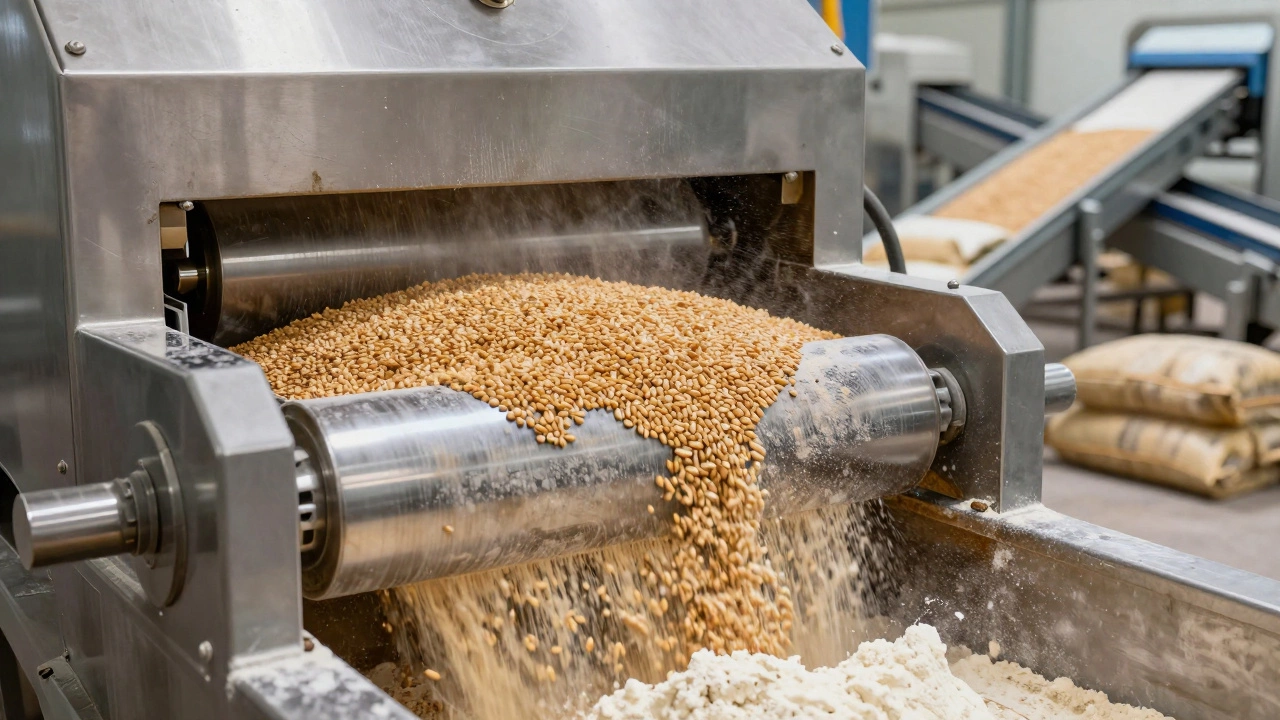
What Are the Basic Unit Operations in Food Processing?
- Aarav Sekhar
- Feb 10, 2026
Basic unit operations in food processing include size reduction, mixing, heat treatment, separation, mass transfer, forming, and packaging. These steps ensure food safety, quality, and shelf life across all scales - from home kitchens to large factories.
Food Processing
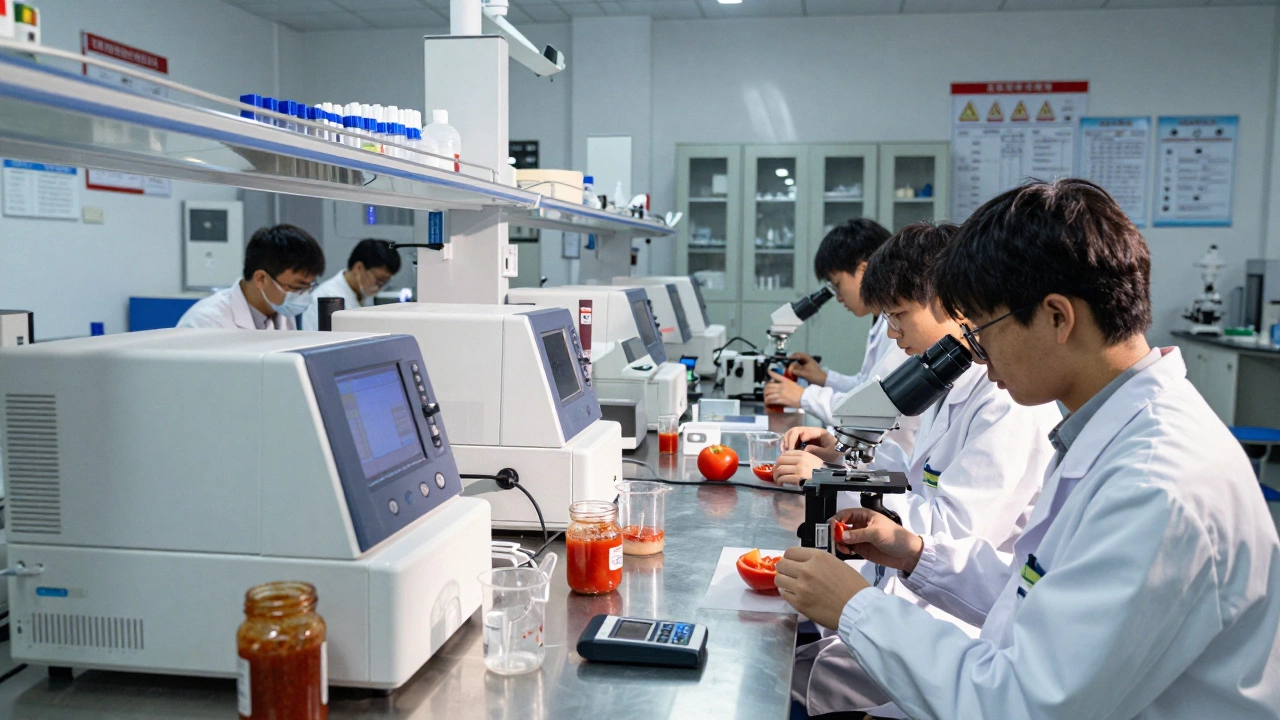
Is a Food Science Major Hard? What to Expect in the Program
- Aarav Sekhar
- Jan 23, 2026
A food science major combines chemistry, microbiology, and engineering to ensure safe, nutritious food. It's challenging but rewarding for those who love solving real-world food problems.
Food Processing
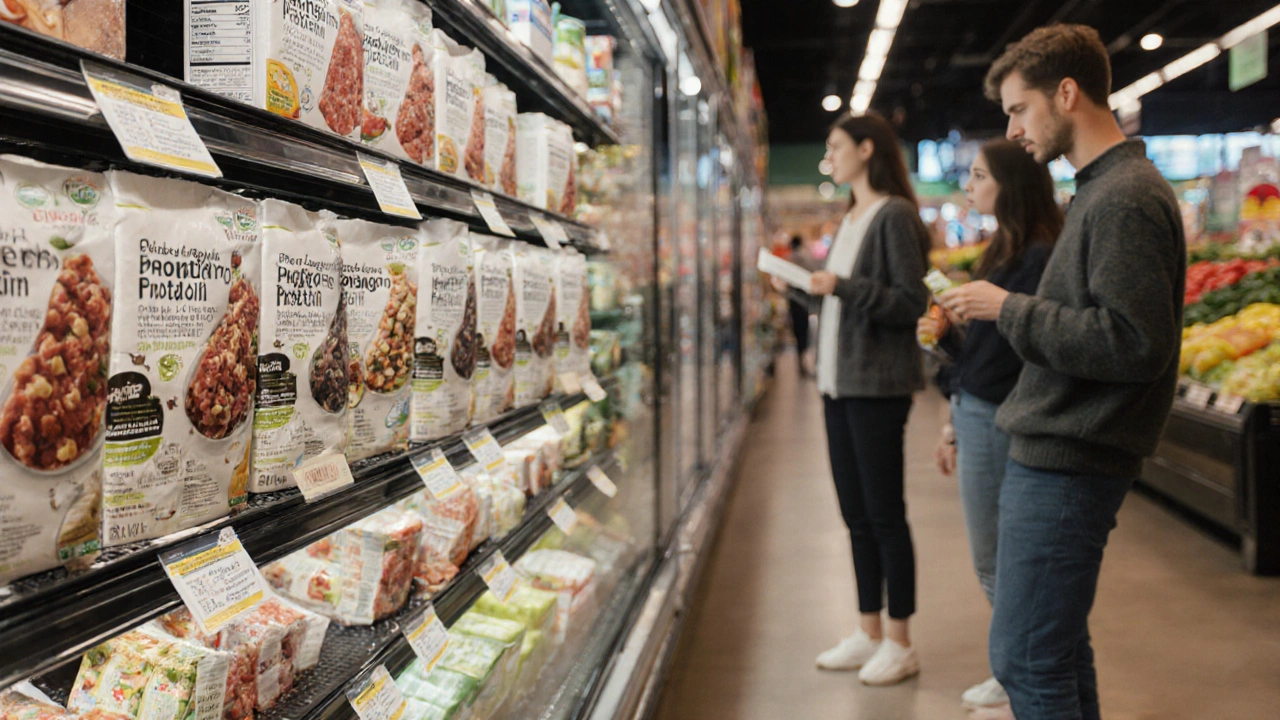
What Are the Most Demanded Processed Foods in 2025?
- Aarav Sekhar
- Nov 11, 2025
Discover the top five most demanded processed foods in 2025, why they're selling out, and how to pick healthy options. Learn what's changing in food processing and what to avoid.
Food Processing
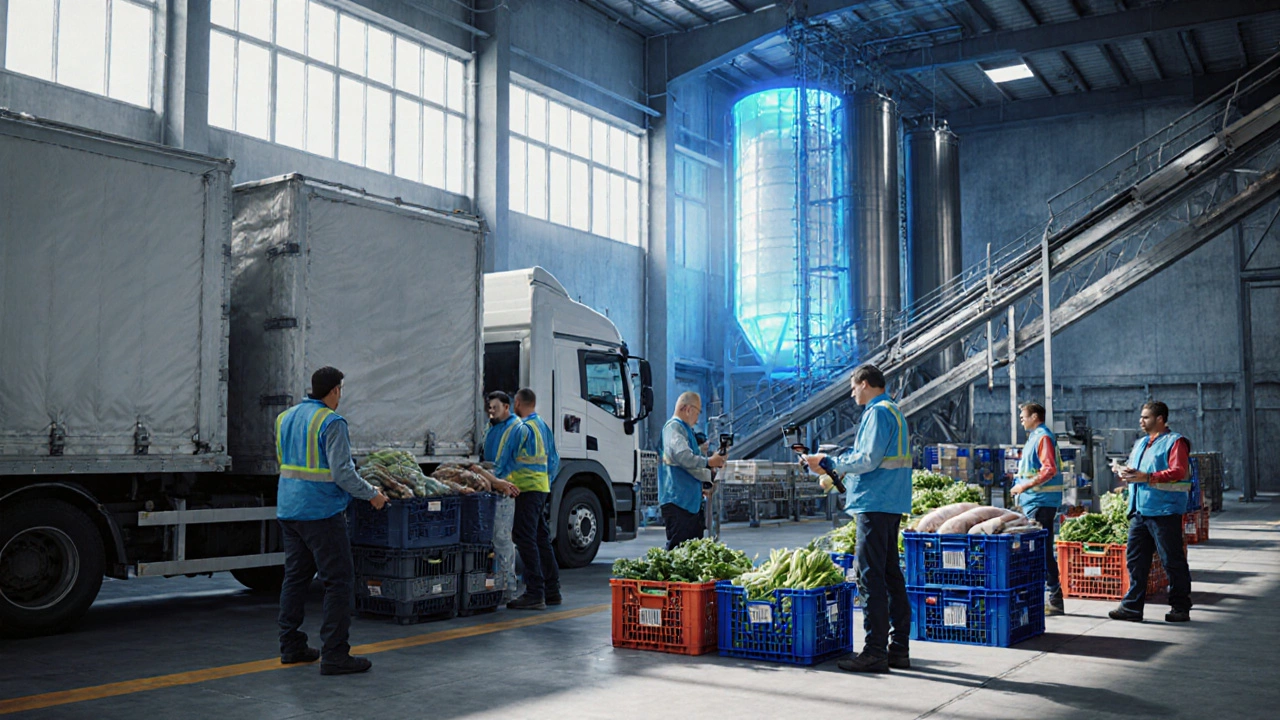
The 5 Essential Stages of Food Processing Explained
- Aarav Sekhar
- Oct 12, 2025
Discover the five core stages of food processing, from raw ingredient handling to packaging, with clear explanations, examples, and practical tips.

Food Processing
Food Processing Levels: The 4 Main Stages Explained
- Aarav Sekhar
- May 11, 2025
Not all processed foods are created equal—there are four clear levels of food processing. This article walks you through these stages, showing what really happens from farm to fork. You'll get practical tips for spotting each level and learn why it matters for health and taste. From fresh apples to breakfast bars, find out where your food stands. Understanding this can help you make smarter eating choices every day.

Food Processing
Understanding Unit Processes in Food Processing
- Aarav Sekhar
- Mar 31, 2025
Unit processes are essential building blocks in food processing, each involving a specific chemical or physical operation. A common example is pasteurization, a technique used to kill harmful bacteria in products like milk without affecting the taste. Knowing more about these processes helps in understanding how food transitions from raw materials to something ready for our tables. With tips and interesting facts, this article sheds light on the nitty-gritty of these processes, ensuring safe and quality food production.
Food Processing
Discovering 3 Essential Types of ROM in Food Processing
- Aarav Sekhar
- Mar 5, 2025
Understanding the types of ROM (Read-Only Memory) in food processing units is crucial for optimizing operations in the industry. These ROM types play a significant role in managing machine instructions and data essential for food production machinery. This article explores the three main types of ROM used in food processing units and their distinct functionalities. Readers will learn how each type impacts efficiency and productivity in food production settings. The article offers insights into practical applications and tips for selecting the right ROM for various processing needs.

Food Processing
Top Profitable Food Processing Business Ideas
- Aarav Sekhar
- Nov 24, 2024
Exploring the most profitable ventures in the food processing industry offers valuable insights for aspiring entrepreneurs. With growing demand and evolving consumer preferences, certain niches present significant profit potential. This article delves into various food processing businesses, revealing lucrative opportunities and providing guidance for success. Discover how market trends and efficient operations contribute to profitability in this dynamic sector.