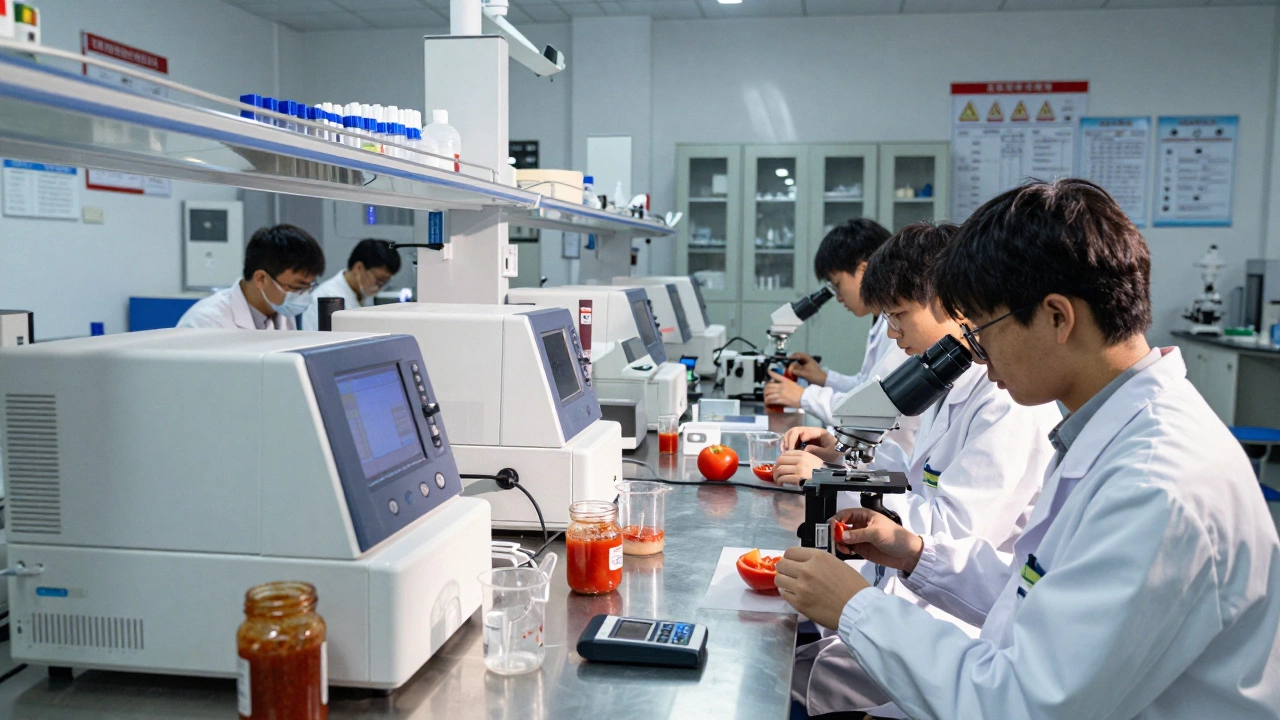
People often ask if a food science major is hard. The answer isn’t yes or no-it’s more like, food science is different. It’s not about memorizing facts like in biology class. It’s about understanding how food behaves under heat, pressure, or time. It’s about why your yogurt thickens, why bread rises, or why canned soup lasts for years without spoiling. If you like asking "why?" and then testing it in a lab, you’ll thrive. If you dread chemistry and math, it’ll feel tough.
What You Actually Study in Food Science
Food science isn’t cooking. It’s the science behind cooking. You’ll take courses in food chemistry, microbiology, engineering, and nutrition. You’ll learn how bacteria grow in meat, how fat affects texture in chocolate, and how to preserve nutrients during freezing. One semester, you might analyze the pH levels of tomato sauce. The next, you’ll design a shelf-stable snack bar that won’t go rancid in 95°F heat.
At the University of Birmingham, where I’ve seen students go through this program, labs aren’t optional. You’ll spend 20-30 hours a week in labs, not just watching, but doing. You’ll use HPLC machines to test preservatives, run microbial counts on fresh produce, and calibrate pasteurization equipment. It’s hands-on, messy, and sometimes smelly. But that’s how you learn.
The Math and Science You Can’t Avoid
You need to be comfortable with chemistry and calculus. Not because you’ll solve equations for fun, but because food processing relies on numbers. If you’re developing a new juice blend, you need to calculate Brix levels (sugar content) and adjust acidity to meet safety standards. If you’re scaling up a recipe from a kitchen to a factory line, you’ll use fluid dynamics to figure out how fast liquid moves through pipes without foaming or separating.
Most programs require at least two semesters of general chemistry, organic chemistry, and biochemistry. Physics and calculus are often required too. Students who struggled in high school science often find themselves overwhelmed in their second year. But those who took the time to review basics before starting-like balancing chemical equations or understanding pH scales-usually catch up fast.
Food Safety and Regulations Are a Big Part of It
Food science isn’t just about making food taste good. It’s about making sure it doesn’t kill people. You’ll spend time learning HACCP (Hazard Analysis Critical Control Points), FDA guidelines, and EU food labeling laws. You’ll write risk assessments for nut-containing products in schools. You’ll study outbreaks-like the 2011 E. coli in sprouts that sickened thousands-and figure out where the system broke down.
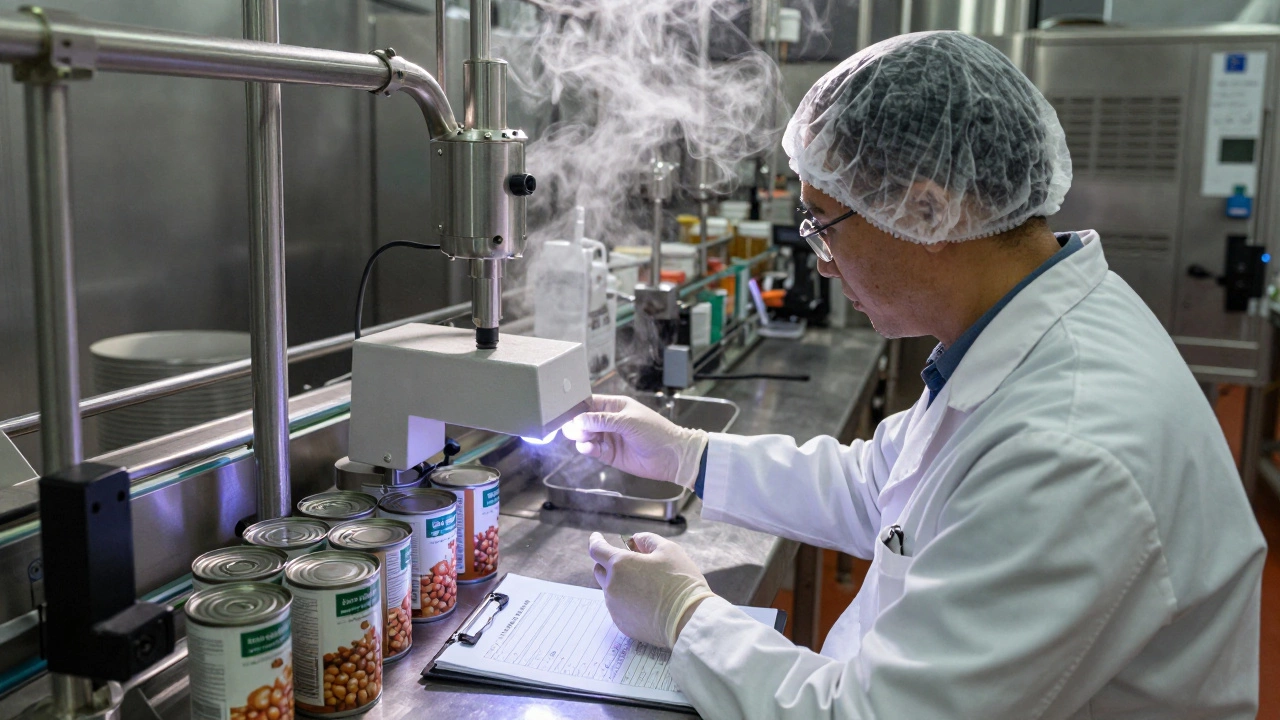
In the UK, the Food Standards Agency (FSA) sets strict rules. In the US, the FDA and USDA are the gatekeepers. If you work in quality control later, you’ll be the one checking that every batch of canned beans meets microbial limits. That’s not guesswork. It’s documented procedures, data logs, and audits. If you’re detail-oriented, you’ll love it. If you hate paperwork, you’ll hate this part.
Real-World Projects Are the Make-or-Break Factor
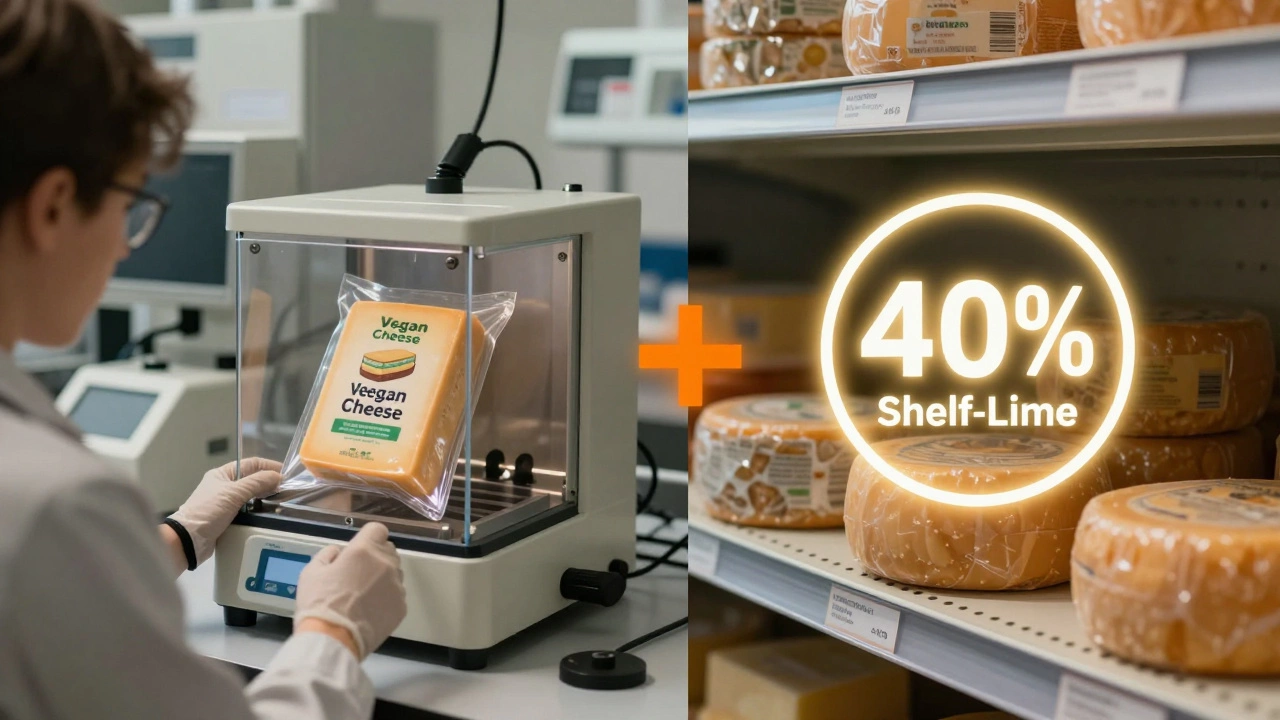
Most food science programs end with a capstone project. Students work with local food companies to solve real problems. One group at Birmingham University redesigned the packaging for a vegan cheese brand to reduce oxygen exposure and extend shelf life by 40%. Another tested alternative proteins in meatballs using pea and fava bean isolates to cut costs while keeping texture.
These projects aren’t theoretical. Companies expect results. If your product fails a shelf-life test, you go back and fix it. No extra credit. No redo. That’s how it works in the industry. Many students say this is the hardest part-not because it’s complex, but because it’s real. There’s no "A for effort." Only "A for results."
Who Succeeds in Food Science?
It’s not about being the smartest person in class. It’s about being stubborn. The people who finish strong are those who show up early to lab, ask questions, and don’t give up when their emulsion separates for the third time. They’re the ones who read beyond the textbook-watching YouTube videos on extrusion processes or reading industry journals like Journal of Food Science.
They also have curiosity. They notice how their cereal gets soggy in milk and wonder why. They check ingredient labels and ask, "What’s carrageenan doing here?" They don’t just eat food-they think about it.
On the flip side, students who thought food science meant becoming a chef, or who expected to work in restaurants, often drop out. It’s not culinary arts. It’s engineering with food.
Is It Worth It?
Graduates don’t all become lab scientists. Many work in product development for companies like Nestlé, Unilever, or local UK brands like Waitrose or Greggs. Others go into regulatory affairs, food safety auditing, or even start their own artisanal food businesses. Salaries in the UK start around £25,000-£32,000 for entry-level roles. With experience, you can hit £45,000+ in R&D or quality management.
There’s also demand. The global food industry is growing. Climate change is pushing innovation in sustainable packaging. Plant-based proteins are exploding. AI is being used to predict spoilage. Food science isn’t dying-it’s evolving. And it needs people who understand both the science and the system.
What to Do Before You Enroll
If you’re thinking about this major, try these steps first:
- Take a free online course on food chemistry from Coursera or FutureLearn. See if you enjoy it.
- Visit a local food processing plant. Ask if you can shadow someone in quality control.
- Read the ingredient list on three packaged foods. Look up every additive you don’t recognize.
- Try making yogurt or pickles at home. Document what changes over time.
- Talk to a current student or grad. Ask them what surprised them.
Don’t just rely on what you see on TV. Food science is quiet, precise, and full of data. It’s not glamorous. But if you like solving real problems that affect what people eat every day, it’s deeply rewarding.
Common Misconceptions
Many think food science is easy because "everyone eats." That’s like saying medicine is easy because everyone breathes. It’s not. Others think it’s just nutrition. But nutrition science focuses on health impacts. Food science focuses on how food is made, preserved, and delivered safely.
Some believe you need to be a chef. You don’t. Many top food scientists can’t even boil an egg properly. What they can do is explain why boiling affects protein structure, and how to control it.
And no, you won’t be tasting 100 new flavors a day. You’ll be analyzing viscosity, water activity, and microbial load. Tasting? That’s just one small part of quality control.
Is food science harder than biology or chemistry?
It’s not harder-it’s different. Biology focuses on living systems; chemistry on reactions. Food science combines both, plus engineering and regulations. If you struggled with lab work in high school, you’ll need to build those skills. But if you like applying science to real things you touch every day, you’ll find it more engaging than abstract theory.
Do I need to be good at math?
Yes, but not at a PhD level. You’ll use algebra, statistics, and basic calculus to calculate concentrations, adjust formulas, and analyze data from lab tests. Most programs offer support labs for math review. If you’re okay with high school-level math and willing to practice, you’ll be fine.
Can I work in food science without a degree?
You can get entry-level jobs like lab assistant or production operator without a degree. But if you want to design products, lead quality teams, or move into R&D, a bachelor’s in food science is required. Most senior roles also want certifications like HACCP or FSSC 22000, which you can’t earn without the foundational knowledge.
What’s the job market like for food science graduates?
Strong. The UK food industry is worth over £120 billion and employs nearly 400,000 people. Demand is growing for experts in plant-based foods, sustainable packaging, allergen control, and automation. Companies are actively recruiting graduates. Unemployment in this field is below 3%-lower than many other science degrees.
Is food science a good fit for someone who wants to work outdoors or travel?
Most roles are indoors-in labs, factories, or offices. But some positions involve travel: auditing supply chains, visiting farms or processing plants abroad, or working with international teams on new products. If you like variety, you can find roles with fieldwork. But don’t expect to spend your days on a beach testing coconut water.
Final Thought
Is food science hard? Yes-if you’re not ready for the blend of science, math, and strict regulations. But it’s also one of the most practical science degrees out there. You’re not just studying molecules-you’re shaping what people eat. And in a world where food safety, sustainability, and health are urgent, that’s not just a job. It’s a responsibility. If you’re ready for that, it’s not hard. It’s meaningful.