Small Manufacturing Startup Cost Calculator
Calculate Your Startup Costs
Estimate your initial investment for a small-scale manufacturing business based on product type and production volume. Based on UK manufacturing examples from the article.
units
Estimated Startup Costs
Total Startup Cost:
£0.00
Monthly Production Cost:
£0.00
Note: Based on UK small manufacturing examples from the article. Actual costs may vary by location and specific requirements.
For reference: Root & Bloom Soaps started with £300 for basic equipment.
When people think of manufacturing, they often picture huge factories with hundreds of workers and conveyor belts stretching for miles. But that’s not the whole story. In fact, some of the most successful, resilient, and community-driven businesses in the UK are small scale manufacturing operations - often run by just one or two people in a garage, shed, or small workshop. These aren’t side hustles. They’re real businesses making real products, selling to real customers, and earning a living without needing venture capital or a corporate structure.
What Exactly Counts as a Small Scale Manufacturing Business?
A small scale manufacturing business is defined by its size, output, and resource use. In the UK, it typically means:
- Employing fewer than 10 people
- Using manual or semi-automated equipment
- Producing goods in batches, not mass production
- Operating from a small unit - often under 1,000 square feet
- Supplying local markets, online customers, or niche retailers
It’s not about how much you make - it’s about how you make it. Small scale manufacturing focuses on craftsmanship, flexibility, and direct customer relationships. You’re not competing with Amazon. You’re competing on quality, uniqueness, and personal service.
Real Example: A Handmade Soap Business in Birmingham
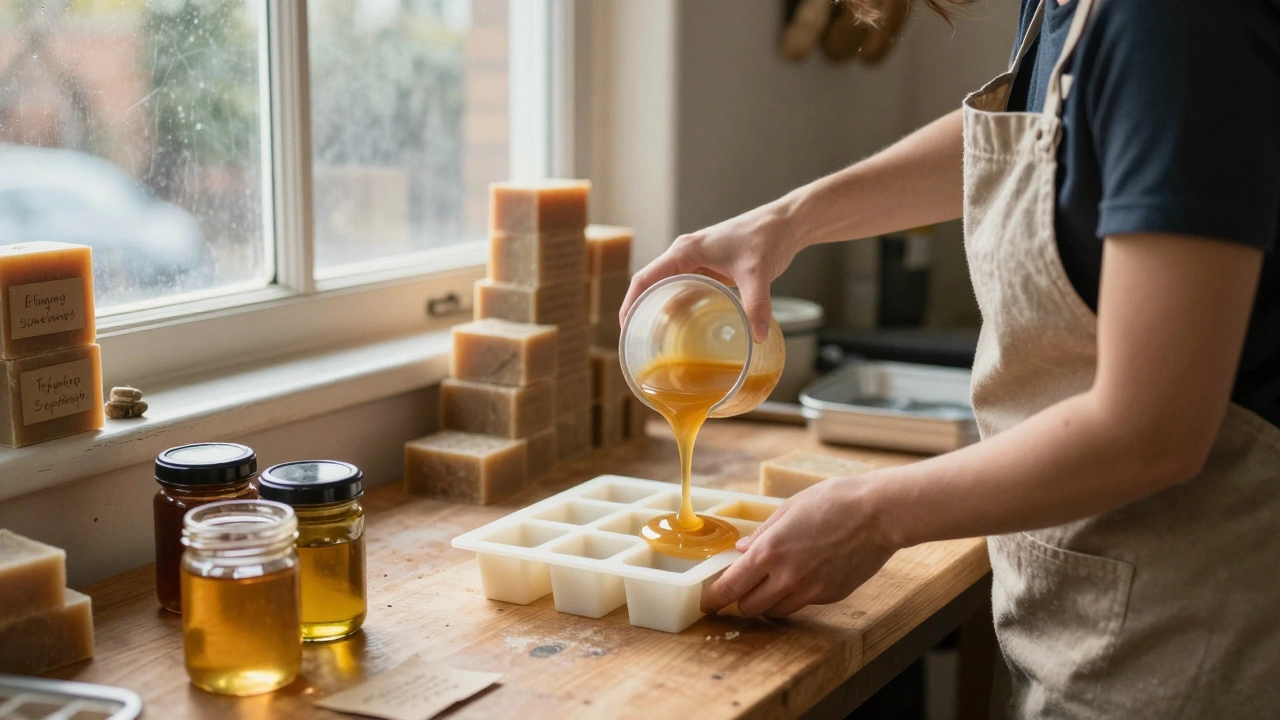
Take Sarah, a former teacher from Kings Heath. In 2022, she started making cold-process soap in her kitchen using natural oils, essential oils, and locally sourced honey. She didn’t need a factory. She bought a $300 stainless steel pot, a digital scale, and some silicone molds. Within six months, she was selling 200 bars a week - mostly to local farmers’ markets and independent gift shops in Birmingham.
By 2025, her business, Root & Bloom Soaps, was turning over £60,000 a year. She employed one part-time assistant. She didn’t take out a loan. She didn’t use crowdfunding. She just made good soap, took good photos, and talked to her customers.
This isn’t a hobby. It’s small scale manufacturing. She’s formulating recipes, testing pH levels, packaging by hand, labeling legally, and managing inventory. She’s not selling “soap.” She’s selling a product made with care, in small batches, with traceable ingredients. That’s manufacturing.
Other Common Examples Across the UK
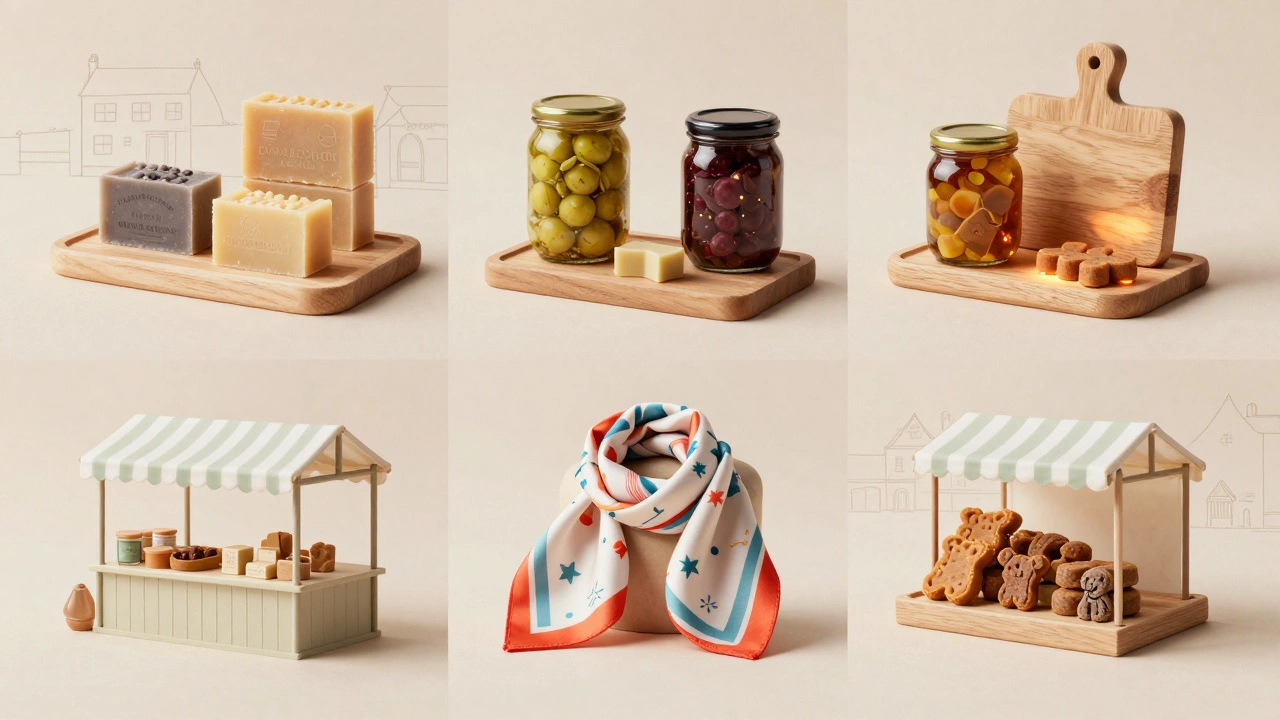
Small scale manufacturing isn’t just about soap. Here are five other real, working examples you’ll find in towns and cities across Britain:
- Handcrafted wooden cutting boards - Made by a carpenter in Devon using reclaimed oak. Sold on Etsy and at regional craft fairs. He uses a table saw, router, and sander. Produces 50 units a month.
- Small batch pickles and chutneys - A retired chef in Leeds cooks in a commercial kitchen rented by the hour. Uses heirloom vegetables from a local farm. Labels each jar with a batch number. Supplies three independent grocers.
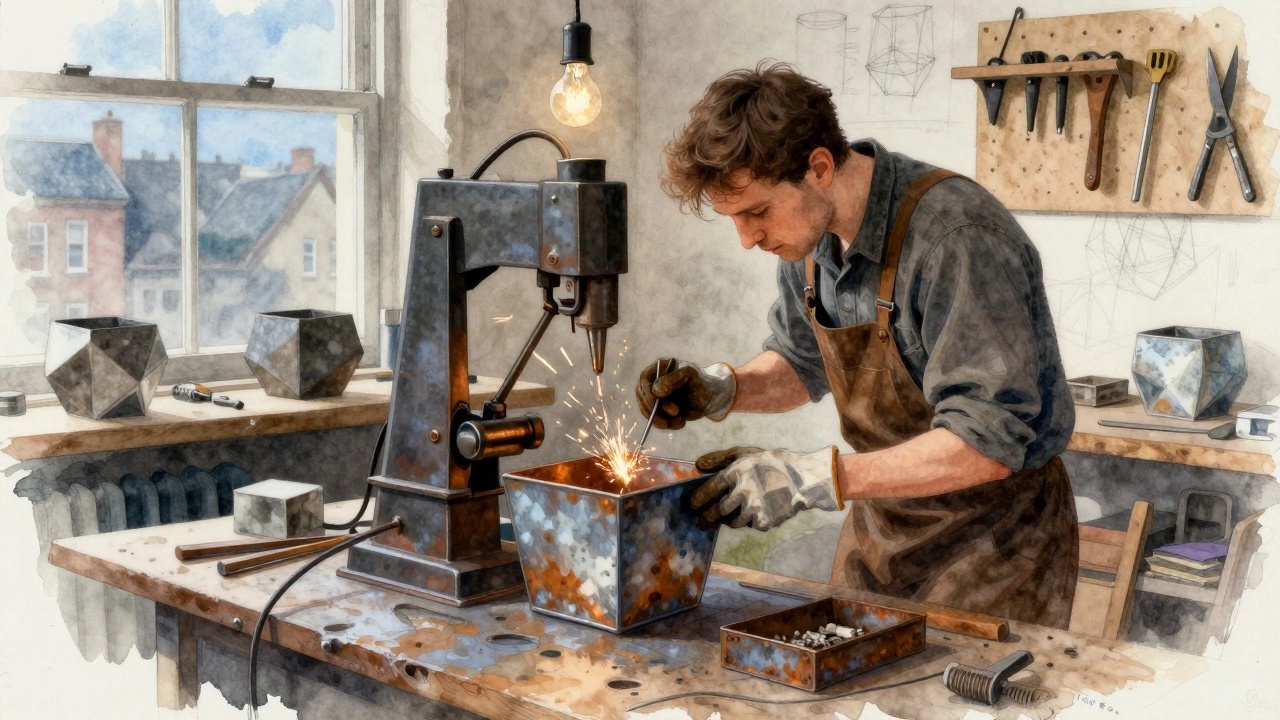
- Custom metal planters - A welder in Glasgow bends recycled steel into geometric designs. Each planter is hand-welded, powder-coated, and shipped nationwide. He works alone, uses a MIG welder and a brake press. Makes £40,000/year.
- Printed textile scarves - A designer in Brighton prints silk scarves using hand-carved wooden blocks. Each design is printed one at a time. She works from a converted garage. Orders come from boutique fashion stores in London and Edinburgh.
- Specialty dog treats - A vet tech in Nottingham bakes grain-free biscuits using chicken, sweet potato, and turmeric. Bakes in a home kitchen approved by the council. Sells 1,000 bags a month via her website and local vets.
Notice the pattern? None of these businesses have assembly lines. None of them need to produce 10,000 units a day. They thrive because they solve a specific problem: customers want something real, local, and made with intention.
Why Small Scale Manufacturing Is Growing Fast
After the pandemic, people started asking questions: Where did this come from? Who made it? Is it safe? Are the workers treated fairly?
That’s why small scale manufacturing is booming. Consumers are tired of plastic-wrapped, mass-produced junk. They’re willing to pay more for products that feel personal. A 2024 survey by the UK Small Business Federation found that 68% of shoppers prefer buying from local makers - even if it costs 20% more.
Platforms like Etsy, Shopify, and Instagram have made it easier than ever to reach customers without a retail storefront. And government schemes like the Start Up Loan and Local Growth Fund offer grants up to £25,000 for small manufacturers to buy equipment or upgrade premises.
What You Need to Start One
You don’t need a degree in engineering. You don’t need to be rich. But you do need a few key things:
- A product people want - Not something you think is cool. Something someone will pay for. Test it at a market stall before investing in tools.
- Basic tools - A drill, saw, heat gun, or sewing machine can be bought secondhand for under £200. Many councils have tool libraries you can borrow from.
- Legal compliance - Register as self-employed. Get product liability insurance. Follow food safety rules if making edibles. Check your local council’s rules for home-based manufacturing.
- A way to sell - Start with Etsy, Facebook Marketplace, or a local market. Don’t overthink your website. Just get your product in front of buyers.
- Consistency - People come back because they know what to expect. Make the same product the same way every time.
One man in Stoke-on-Trent started making ceramic mugs in his garage. He didn’t have a kiln. He rented time at a local pottery studio for £15 a firing. After 18 months, he bought his own kiln for £1,200. Today, he sells 300 mugs a month. He’s not rich. But he pays his rent, buys his groceries, and works when he wants to.
Common Mistakes to Avoid
Many people start small manufacturing businesses and fail - not because they lack skill, but because they make these mistakes:
- Over-investing in equipment - Don’t buy a CNC machine on day one. Start with what you can afford. Scale up as sales grow.
- Ignoring regulations - Selling food without a hygiene certificate? Selling toys without CE marking? You can be fined or shut down.
- Chasing trends - Making fidget spinners in 2017? That’s dead. Making hand-thrown stoneware? Still growing.
- Not tracking costs - If your materials cost £8 and you sell for £15, but you spend 3 hours making it, you’re earning £2.30 an hour. Price for your time.
- Trying to do everything alone - If you hate packaging, hire a student to help for £10/hour. Free up your time to make more product.
Small Scale Doesn’t Mean Small Impact
One small manufacturer might make 500 units a year. But that’s 500 customers who didn’t buy from a warehouse in China. That’s 500 people who know the name of the person who made their product. That’s 500 stories.
Small scale manufacturing is about dignity. It’s about control. It’s about making something real in a world full of disposable stuff. You don’t need to be the biggest. You just need to be the best at what you do.
If you’ve ever thought, “I could make that,” - you probably can. Start small. Test it. Learn. Grow. And don’t wait for permission. The tools are cheap. The market is waiting. And the world needs more makers, not just buyers.
What is the difference between small scale manufacturing and a hobby?
The difference is intent and income. A hobby is something you do for fun, with no expectation of profit. Small scale manufacturing is when you make products regularly, sell them to customers, and rely on that income to cover expenses or support yourself. If you’re invoicing customers, paying taxes on sales, or reinvesting profits into equipment, you’re running a business - not just a hobby.
Can I start small scale manufacturing from my home?
Yes, in most cases. The UK allows home-based manufacturing as long as you follow local planning rules and health and safety regulations. If you’re making food, cosmetics, or toys, you’ll need specific certifications. Check with your local council’s environmental health team. Many makers start in garages, sheds, or spare rooms - and stay there for years.
How much money do I need to start a small manufacturing business?
You can start with under £500. For example, a soap maker might spend £100 on oils, £50 on molds, £100 on labels and packaging, and £250 on a secondhand digital scale and mixer. A woodworker might buy a used jigsaw and sandpaper for £150. The key is to start lean. Use secondhand tools, rent shared workspace, and sell before you scale.
Do I need to register my business?
Yes. Even if you’re making one product, you must register as self-employed with HMRC within three months of starting sales. You’ll need to file a Self Assessment tax return each year. If you plan to sell to businesses or use a business name, you may also want to register a DBA (Doing Business As) name. Insurance is strongly recommended - especially product liability insurance.
What are the most profitable small scale manufacturing ideas in 2025?
The most profitable ones right now focus on sustainability, personalisation, and local sourcing. Examples include: upcycled furniture, plant-based cosmetics, custom engraved wooden gifts, small batch artisanal foods, and eco-friendly pet products. Profitability comes from high margins and low overhead. A handmade ceramic planter sold for £45 that costs £8 to make has a 400% margin. That’s better than selling 1,000 mass-produced items with 10% profit.
Next Steps: How to Get Started Today
If you’re thinking about starting your own small scale manufacturing business, here’s what to do this week:
- Write down one product idea you could make with tools you already own or can borrow.
- Make one sample. Don’t overthink it - just get it done.
- Take a photo. Post it on Instagram or Facebook Marketplace with a price.
- Ask five friends: “Would you buy this?” If three say yes, you’re on to something.
- Go to your local council website and search for “home-based manufacturing rules.”
You don’t need a business plan. You don’t need investors. You just need to start making - and selling - something real.