- Who is the King of Steel? Andrew Carnegie's Legacy in Steel Manufacturing Feb 6, 2026
- India's Second Biggest Chemical Industry Owner: A Look Beyond Reliance May 5, 2025
- Which Country Has the Highest Demand for Indian Clothes? Dec 1, 2025
- Global Giants in Manufacturing: Leaders Shaping the Future Feb 2, 2025
- Where Does CVS Get Their Drugs From? Inside the Pharma Manufacturer Pipeline Apr 27, 2025
Furniture Startup Expenses: What It Really Costs to Launch in India
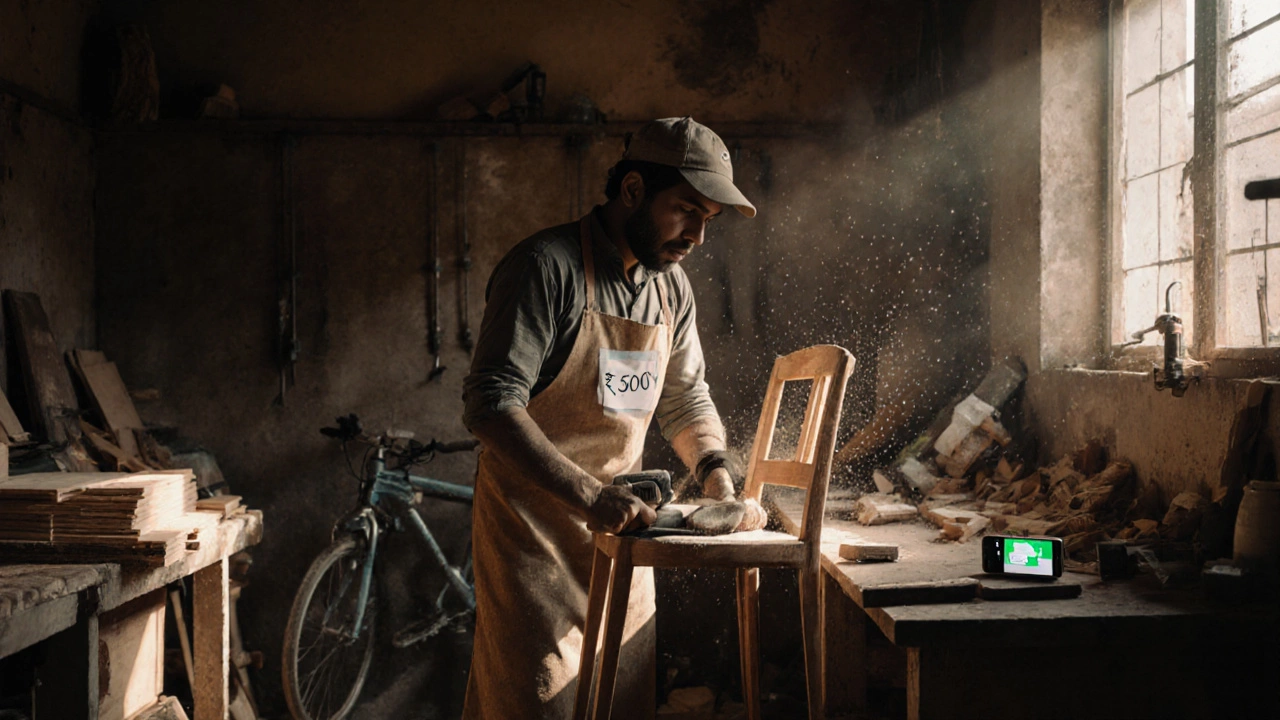
When you think about launching a furniture startup, a small business that designs, builds, and sells handmade or custom furniture. Also known as wooden furniture business, it typically starts with a workshop, a few tools, and a clear idea of who you’re building for. Most people assume you need big money—factories, warehouses, investors. But that’s not true. In India, the most successful furniture startups begin with under ₹5 lakh, often from a garage or backyard. The real cost isn’t in equipment—it’s in learning what people actually want to buy.
What drives furniture manufacturing India, the local production of home and office furniture using domestic materials and labor isn’t scale. It’s precision. A startup that makes solid wood dining tables for urban apartments spends less on machinery than a big brand, but more on skilled carpenters. You’ll need to budget for raw materials like teak, sheesham, or engineered wood—prices shift with season and region. Then there’s labor: a good carpenter in Ludhiana or Tiruppur earns ₹300–600 a day. Tools? A basic electric jigsaw, drill, and sander cost under ₹25,000. Packaging and delivery? That’s where many fail. A single table shipped across India can cost ₹800–₹1,500 in logistics.
Small small scale manufacturing, production done in limited volumes with low capital, often locally owned and operated is your advantage. You don’t need to compete with IKEA. You compete with local carpenters and Amazon sellers. Your edge? Customization. A customer in Pune wants a sofa that fits their narrow balcony? You build it. A startup in Jaipur makes modular shelves for tiny flats? They sell out. The best furniture startups in India don’t mass produce—they solve real problems. That’s why some make ₹15–20 lakh in their first year, even with just two workers.
You’ll also face hidden costs: GST registration, product photography, Instagram ads, and the time it takes to get your first five customers. No one tells you that 80% of your startup expenses happen after you’ve built the first piece. But here’s the truth: if you can make one great chair that people talk about, you’ve already started. The rest? It’s just scaling what works.
Below, you’ll find real examples of what others spent, what they got right, and where they lost money. No fluff. Just what matters when you’re starting from zero.
Furniture Manufacturing
How Much Does It Cost to Start a Furniture Business in India?
- Aarav Sekhar
- Nov 25, 2025
Learn the real cost to start a furniture business in India-from tools and materials to marketing and government schemes. Break-even timelines and smart tips for beginners.