Furniture Business Startup Cost Calculator
Enter Your Details
Pricing Strategy
Starting a furniture business in India doesn’t require millions upfront-but it does need smart planning. Many people think you need a big factory, expensive machinery, or a fancy showroom to begin. That’s not true. You can start small, even from your garage, and grow step by step. The real question isn’t just ‘how much?’ It’s ‘how do you spend it wisely?’
What You Really Need to Start
You don’t need everything at once. Most successful furniture businesses in India begin with three core things: materials, tools, and a place to work. Let’s break down what that actually means in real numbers.
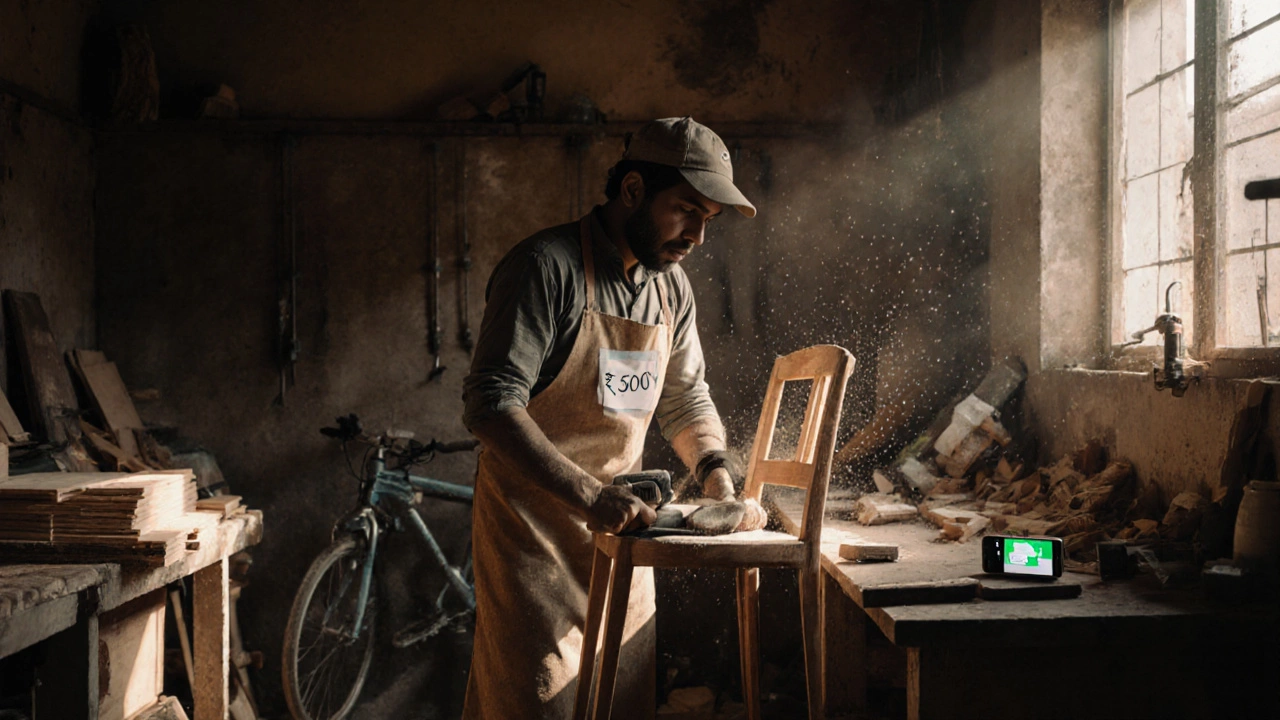
For a small-scale operation, you’ll need basic woodworking tools: a circular saw, drill, sanding machine, measuring tape, clamps, and safety gear. A decent set of these costs between ₹25,000 and ₹50,000. If you’re buying used equipment from local workshops or online marketplaces like OLX, you can cut that in half.
Raw materials are your biggest ongoing cost. Plywood, solid wood (like teak or sheesham), foam, fabric, screws, glue, and finishes add up fast. For your first 10 pieces, expect to spend ₹30,000-₹60,000 on materials. That’s enough to make a few tables, chairs, and a small bookshelf. You can source plywood from local timber yards in cities like Ludhiana, Moradabad, or Tirupur, where prices are lower than in metros.
Space and Setup Costs
Where you make your furniture matters. You don’t need a 5,000 sq. ft. factory. A 300-500 sq. ft. workshop in a semi-urban area or industrial zone can cost ₹5,000-₹15,000 per month in rent. In Tier-2 cities like Indore, Jaipur, or Coimbatore, you’ll pay less than in Delhi or Mumbai. If you have space at home, skip rent entirely.
Electricity and water aren’t huge costs, but you’ll need at least 5-7 kW of power for machinery. A dedicated line might cost ₹10,000-₹20,000 to install if your area doesn’t already have it. Don’t forget ventilation-sawdust is a health hazard. A simple exhaust fan costs ₹3,000-₹8,000 and is non-negotiable.
Labor: Hire or Do It Yourself?
One of the biggest mistakes new entrepreneurs make is hiring too soon. If you’re handy with tools, start alone. Learn to cut, assemble, and finish pieces yourself. That saves you ₹15,000-₹25,000 per month in wages.
Once you get orders, hire one skilled carpenter on a piece-rate basis. Pay them ₹200-₹400 per piece instead of a fixed salary. This keeps your costs tied to sales. In states like Uttar Pradesh, Bihar, or West Bengal, you’ll find experienced carpenters willing to work this way. Many have worked in larger factories and are looking for steady work without the commute.
Registration, Licenses, and Legal Costs
You don’t need a fancy company registration to start selling furniture. If you’re operating under your own name, you can begin as a sole proprietor. That costs ₹1,500-₹3,000 to register with your local municipal corporation.
For GST registration, it’s free online. But you’ll need a bank account in your business name. Most banks charge ₹500-₹1,500 to open a current account. You’ll also need a Udyam Registration (formerly MSME) to qualify for government loans and subsidies. That’s completely free and takes less than an hour online.
If you plan to export or sell to big retailers later, you’ll need an Import-Export Code (IEC). That costs ₹2,000 and takes 3-5 days. For now, skip it.
Marketing and Online Presence
Most furniture buyers in India shop online now. Instagram, Facebook, and WhatsApp are your best friends. You don’t need a website to start. Post clear photos of your work-before and after sanding, close-ups of joints, real customers using the pieces.
A simple Facebook page and WhatsApp catalog cost nothing. If you want to run ads, start with ₹2,000-₹5,000 a month. Target people in your city who’ve liked home decor pages. Use hashtags like #HandmadeFurnitureIndia or #LocalCarpenter.
For higher visibility, list your products on Meesho, Amazon Handmade, or Etsy India. These platforms take 5-15% commission, but they bring ready buyers. You’ll pay ₹500-₹1,000 to list 10 items. No upfront fee.
Realistic Startup Budget: A Breakdown
Here’s what a typical small furniture startup spends in the first 3 months:
- Tools and equipment: ₹30,000
- Raw materials (first batch): ₹50,000
- Workshop rent (3 months): ₹15,000
- Electricity and ventilation: ₹5,000
- Registration and legal: ₹5,000
- Marketing (social media, listings): ₹5,000
- Contingency (broken wood, extra glue, etc.): ₹10,000
Total: ₹1,20,000
That’s about $1,450 USD. You can do it with less if you reuse tools, work from home, or partner with someone who has a workshop.
How Fast Can You Break Even?
Let’s say you make 5 pieces a week. Each piece sells for ₹3,000-₹8,000 depending on type and finish. A simple chair might cost ₹2,000 to make and sell for ₹4,500. A wooden table might cost ₹5,000 to make and sell for ₹10,000.
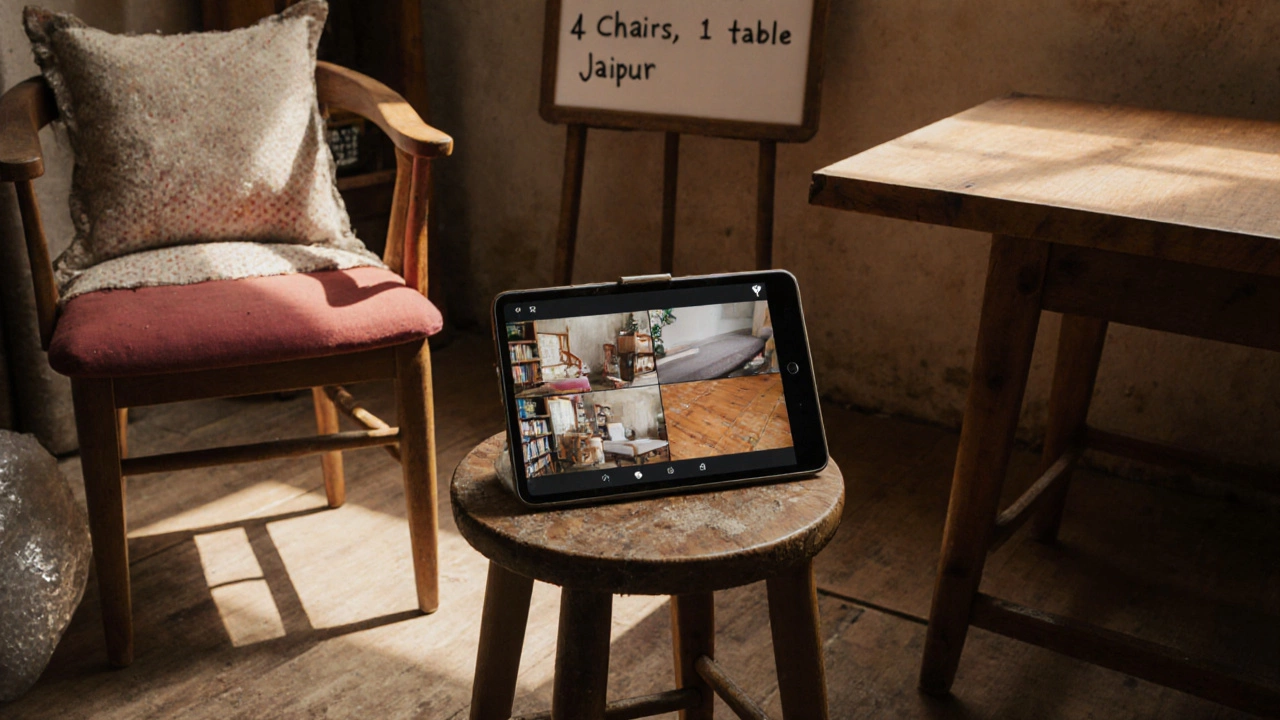
If you sell 4 chairs and 1 table per week, your weekly revenue is ₹28,000. Your weekly cost (materials + labor) is around ₹14,000. That’s ₹14,000 profit per week. In 9 weeks, you’ve covered your entire startup cost.
That’s not a fantasy. I’ve spoken to carpenters in Jaipur who did exactly this. They started with ₹80,000, sold their first 10 pieces on Instagram, and by month four, they hired a second worker.
What Most People Get Wrong
Many beginners spend too much on fancy furniture designs or expensive finishes. You don’t need carved details or imported veneers to sell. Simple, sturdy, well-finished pieces sell better in India. Customers care about durability, not decoration.
Another mistake: waiting for perfection. Launch with your first 3 pieces-even if they’re not flawless. Get feedback. Fix the next one. The market will tell you what to make. Don’t design in a vacuum.
Also, don’t underestimate packaging. A poorly packed chair arriving broken kills your reputation. Use cardboard corners, bubble wrap, and strong tape. It costs ₹100-₹200 per piece, but it’s worth every rupee.

Where to Find Suppliers and Buyers
For materials, visit local timber markets. In Delhi, go to Lajpat Rai Market. In Bengaluru, check out the Jalahalli timber yard. In Chennai, head to Perambur. Ask for plywood grades-IS 303 Grade I is best for furniture. Avoid substandard HDF or MDF unless you’re making low-cost items.
For buyers, join Facebook groups like ‘Furniture Buyers India’ or ‘Handmade Furniture Sellers’. Attend local craft fairs. Many cities host monthly markets for local artisans. You pay ₹500-₹1,000 to rent a stall. It’s a direct way to meet customers and see what’s selling.
Government Schemes That Can Help
India has support for small furniture makers. The Prime Minister’s Employment Generation Programme (PMEGP) offers subsidies up to ₹25 lakh for micro-enterprises. If you’re under 35, you can get 25-35% subsidy on machinery and working capital.
The MSME Credit Guarantee Scheme lets you get loans up to ₹2 crore without collateral. Many banks offer 5-7% interest rates for registered MSMEs.
Don’t skip these. Apply while you’re starting. It takes 3-6 weeks to process, but the money can cut your initial costs in half.
Scaling Up: When and How
Once you’re making ₹1.5 lakh per month consistently, think about scaling. Hire a second carpenter. Buy a CNC machine for precise cuts (₹3-5 lakh). Open a small showroom or partner with a home decor store on commission.
Or, go digital. Build a simple website with Shopify or WooCommerce. Run Google Ads targeting ‘custom wooden furniture near me’. You’ll start getting orders from across India.
Some businesses in Ludhiana now ship nationwide. They don’t have showrooms. They just post videos of their process, answer DMs, and deliver via Delhivery or Gati. Their profit margins? 40-60%.
Final Thought: Start Small, Think Big
You don’t need to be a millionaire to start a furniture business in India. You need patience, a good work ethic, and the willingness to learn from every mistake. The market is huge-millions of homes need furniture. Most people buy from big brands because they don’t know local makers exist.
Be the one they find. Start with one table. Make it solid. Photograph it well. Sell it. Then make another. Repeat. That’s how real businesses grow-not with loans and ads, but with steady, honest work.