- What Are the Most Demanded Processed Foods in 2025? Nov 11, 2025
- Where Is the Cheapest Place to Build a Factory? Top Countries with Government Incentives in 2026 Jan 2, 2026
- Why IKEA Chose India: Unpacking the Swedish Giant's Expansion Strategy Jul 9, 2025
- Which Country Is Most Advanced in Electronics Manufacturing? Dec 16, 2025
- Most Profitable Small Scale Manufacturing Business Ideas Apr 6, 2025
Food Processing Steps: From Raw Material to Ready‑to‑Eat
When working with food processing steps, the series of actions that turn raw ingredients into safe, market‑ready products. Also known as processing stages, it covers cleaning, cutting, cooking, preserving, and packaging. The broader field of food preservation influences how long a product stays fresh, while packaging protects the final item and adds branding value. quality control ensures each step meets safety standards.
Food processing steps are more than a checklist; they form a connected chain where each link affects the next. For example, thorough cleaning reduces microbial load, which in turn eases cooking and extends shelf life. This chain reaction is why manufacturers treat the entire line as a single system rather than isolated tasks.
Key Stages in Food Processing
The first stage, cleaning, removes dust, soil, and unwanted residues. Simple water rinses, air blowers, or ultrasonic baths are common tools. By eliminating contaminants early, you set a solid foundation for later steps and lower the risk of spoilage.
Next comes sorting and cutting. Sorting separates grades or sizes, while cutting prepares uniform pieces for even cooking. Precision knives, slicers, and laser cutters help maintain consistency, which is crucial for both taste and cooking efficiency.
Cooking or heat treatment follows. Whether it’s blanching, steaming, frying, or baking, heat kills harmful microbes and creates the desired texture and flavor. The temperature‑time profile you choose directly impacts nutrient retention and product safety.
After heat, preservation methods kick in. Cooling, freezing, canning, or adding preservatives all aim to halt microbial growth. The choice depends on product type, intended shelf life, and distribution channel. Effective preservation extends market reach and reduces waste.
Packaging wraps everything up. Materials range from simple plastic films to vacuum‑sealed bags and biodegradable containers. Good packaging shields the product from oxygen, moisture, and light, while also providing space for branding and regulatory information.
Finally, quality control ties the whole process together. Tests for pH, microbial count, texture, and visual appearance verify that each batch meets standards. Real‑time sensors and statistical process control systems help catch deviations before they become costly recalls.
All these stages—cleaning, cutting, cooking, preservation, packaging, and quality control—form a seamless workflow. Understanding how they interact lets you troubleshoot faster, improve efficiency, and deliver safer foods. Below you’ll find articles that dive deeper into each step, showcase the latest equipment, and share practical tips you can apply right away.
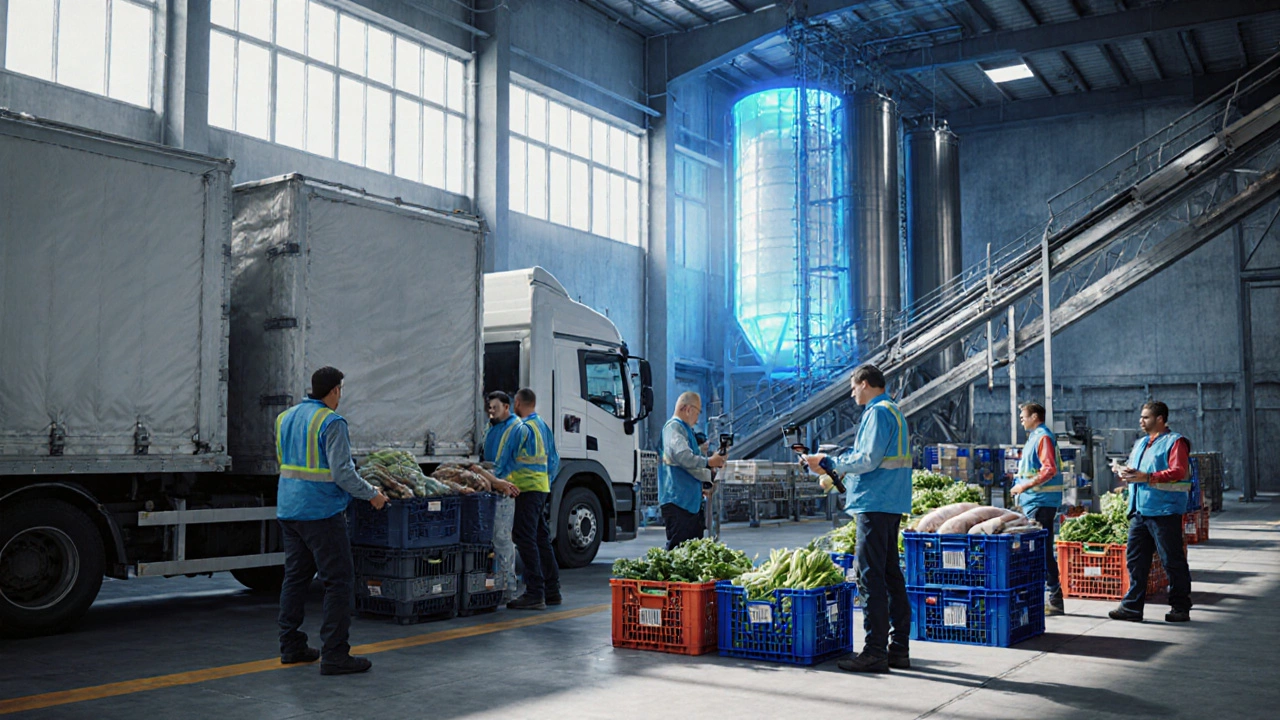
Food Processing
The 5 Essential Stages of Food Processing Explained
- Aarav Sekhar
- Oct 12, 2025
Discover the five core stages of food processing, from raw ingredient handling to packaging, with clear explanations, examples, and practical tips.