Electronic City Evolution Quiz
How much do you know about the "Silicon Valley of India"? Take this quick quiz to test your understanding of Electronic City's transformation.
You might have heard people call Bangalore the "Silicon Valley of India." But if you drive south from the city center, past the busy Silk Board junction, you enter a place that has its own specific nickname: Electronic City. It’s not just a catchy phrase. This area, officially known as Electronics City Industrial Township, is a massive industrial park that houses hundreds of companies. If you are wondering why this specific spot earned such a prestigious title, you need to look at history, infrastructure, and the sheer volume of hardware and software being produced here.
The story isn't just about computers sitting on desks. It is about how a dusty plot of land in Hosur Road became the backbone of India’s digital revolution. Whether you are an investor looking for real estate opportunities, a job seeker planning your next move, or just curious about urban development, understanding the mechanics of Electronic City gives you a clear picture of modern Indian industry.
What Exactly Is Electronic City?
Before we dig into the "why," let’s clarify the "what." Electronic City is a planned industrial township located in the southern part of Bangalore, Karnataka. It was developed by Karnataka Industrial Areas Development Board (KIADB) in 1978. The original vision was simple: create a dedicated zone for electronics manufacturing to reduce congestion in the city center and provide proper infrastructure for heavy industries.
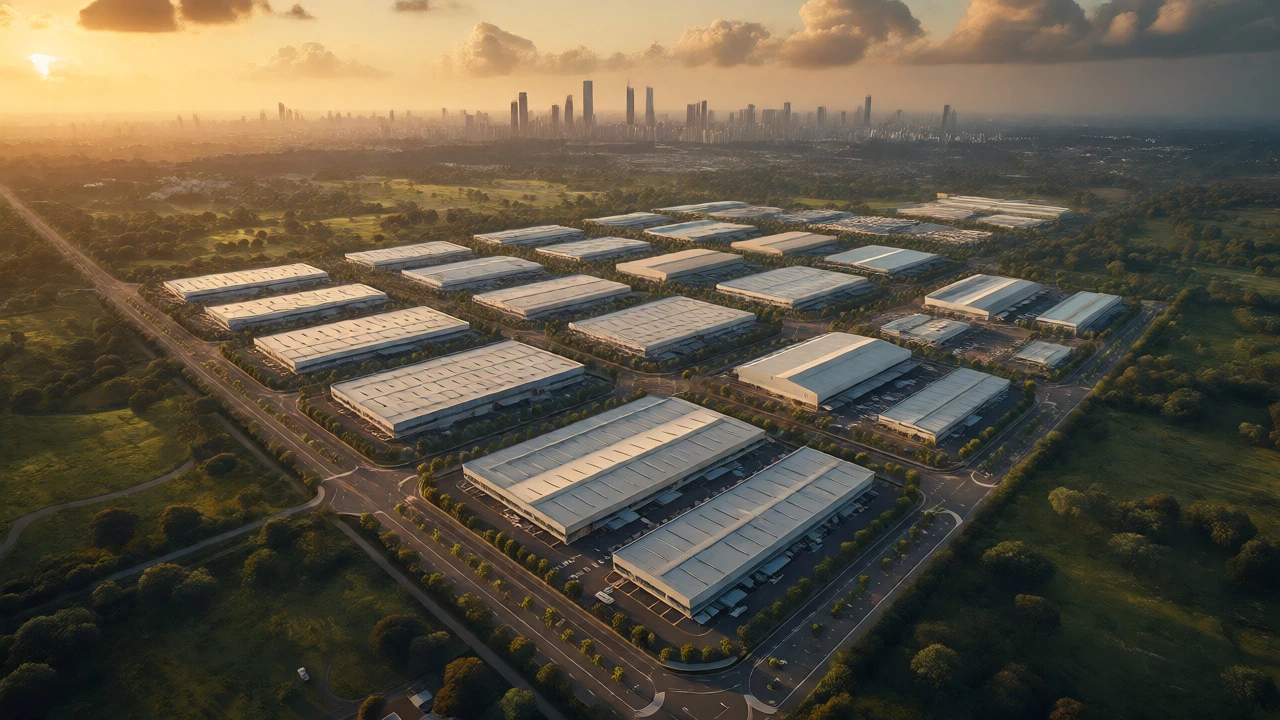
Today, it spans over 300 acres. It is divided into two phases. Phase 1 focuses largely on traditional electronics manufacturing-think circuit boards, cables, and consumer appliances. Phase 2, which expanded later, opened its doors to IT services, software development, and newer tech startups. This dual nature is key to its identity. It bridges the gap between making the hardware and writing the code that runs on it.
The Historical Catalyst: Why Did It Start Here?
In the late 1970s, India was opening up slightly to technology imports. The government wanted to promote domestic production of electronic goods. Bangalore was already gaining a reputation as a scientific hub because of institutions like the Indian Institute of Science (IISc) and the presence of defense research labs like DRDO. These institutions provided a steady stream of skilled engineers and scientists.
KIADB selected this location for several practical reasons:
- Land Availability: Large tracts of affordable land were available outside the crowded city core.
- Tax Incentives: Companies setting up shop here received tax holidays and subsidies.
- Infrastructure Focus: The board ensured reliable power supply and water treatment, which were scarce elsewhere.
Early tenants included major names like Bharat Electronics Limited (BEL) and Hewlett-Packard (HP). Their presence signaled to other companies that this was a serious industrial zone, not just a speculative real estate project.
From Hardware to Software: The Evolution
Here is where the narrative gets interesting. Initially, Electronic City was strictly about hardware. You came here to solder components, assemble televisions, or manufacture radar systems. But the global tech landscape shifted in the 1990s. With the liberalization of India’s economy and the rise of the internet, the demand for software services exploded.
Bangalore adapted quickly. Because Electronic City already had the basic infrastructure-roads, power, and proximity to talent-it was easy to pivot. IT giants like Infosys, Wipro, and TCS began expanding their footprints in the surrounding areas, while specialized tech parks within and around Electronic City attracted mid-sized firms. This transition turned a manufacturing hub into a hybrid ecosystem.
Consider this: In the early days, the primary output was physical goods. Today, a significant portion of the value generated comes from intellectual property-software licenses, consulting fees, and digital services. Yet, the name stuck. People still say they work in "Electronic City" even if they are coding cloud applications, because the geographic marker remains relevant.

Key Players Driving the Reputation
A region earns its title through the caliber of companies operating there. Electronic City hosts a mix of legacy manufacturers and modern tech innovators. Let’s look at who is actually driving this engine.
| Company Type | Example Entities | Primary Contribution |
|---|---|---|
| Defense & Aerospace | Bharat Electronics Ltd (BEL) | Radar systems, communication equipment, and defense electronics. |
| Consumer Electronics | Samsung, Whirlpool | Manufacturing plants for TVs, washing machines, and home appliances. |
| IT Services & Consulting | Accenture, Cognizant | Software development, BPO, and global delivery centers. |
| Startups & Innovation | Various FinTech and HealthTech firms | Digital solutions, app development, and R&D labs. |
The presence of BEL is crucial. As a public sector undertaking, it anchors the area in hard engineering. When you combine that with private sector agility from IT firms, you get a robust economic base. This diversity makes the area resilient. If the consumer electronics market dips, the IT sector often compensates, keeping employment stable.
Infrastructure and Lifestyle: The Human Factor
Why do employees want to work here? And why do companies choose to set up offices here instead of downtown Bangalore? The answer lies in the township model. Electronic City isn’t just a cluster of buildings; it’s a self-contained community.
Residents and workers benefit from:
- Housing Complexes: Affordable housing schemes were built alongside the industrial units, reducing commute times.
- Educational Institutions: Schools and colleges specifically catering to tech families are abundant.
- Connectivity: While traffic can be bad, the NICE Road (Outer Ring Road) provides direct access to other parts of the city without entering the chaotic center.
This integrated lifestyle attracts talent. Engineers don’t just come for the paycheck; they come for the ecosystem. Being close to peers, mentors, and potential collaborators accelerates career growth. For recruiters, this means a higher retention rate. You aren’t fighting against a two-hour commute every day, which is a common issue in other parts of Bangalore.

Challenges and Future Outlook
No place is perfect. Electronic City faces challenges that could affect its future status. Traffic congestion during peak hours is notorious. The roads connecting Phase 1 and Phase 2 often gridlock. Additionally, as remote work becomes more popular post-2020, some companies are downsizing office spaces. Will the demand for physical space in Electronic City drop?
Probably not entirely. Hardware manufacturing requires physical presence. You can’t solder a circuit board from home. Moreover, the collaborative culture of IT firms still favors face-to-face interaction for complex problem-solving. The future likely holds a hybrid model. We may see more automated manufacturing facilities and flexible co-working spaces replacing traditional cubicle farms.
Furthermore, the expansion of the metro rail network is a game-changer. Once fully connected, the commute from Electronic City to the rest of Bangalore will become faster and cheaper. This accessibility will likely boost property values and attract even more multinational corporations looking for cost-effective yet premium locations.
Conclusion: More Than Just a Name
So, why is Bangalore known as Electronic City? It’s a shorthand for a successful experiment in industrial planning. It started as a hardware hub and evolved into a comprehensive tech ecosystem. It proves that when you combine government foresight, private sector investment, and human capital, you can transform a barren landscape into a global brand.
If you are looking at India’s role in the global electronics supply chain, Electronic City is the lens through which you should view it. It represents the shift from importing technology to creating it. As India aims to become a $5 trillion economy, places like this will remain critical engines of growth.
Is Electronic City only for IT companies?
No. While IT and software companies dominate the newer phases, Electronic City was originally established for electronics manufacturing. Major hardware manufacturers like Bharat Electronics Limited (BEL), Samsung, and Whirlpool have significant operations there. It is a mixed-use industrial zone.
How far is Electronic City from Bangalore Airport?
The distance is approximately 40 to 50 kilometers, depending on the exact location within Electronic City and the route taken. Travel time can vary significantly due to traffic, ranging from 45 minutes to over 2 hours. The NICE Road offers a relatively faster bypass option compared to going through the city center.
Who manages Electronic City?
The area was developed and is managed by the Karnataka Industrial Areas Development Board (KIADB). They oversee the infrastructure, land allotment, and regulatory compliance for the industrial township.
Why did HP choose Electronic City?
HP was one of the early adopters in the 1980s. They chose Electronic City due to the availability of large plots of land, favorable tax incentives offered by the state government, and the existing pool of engineering talent in Bangalore supported by local universities.
Is Electronic City good for residential purposes?
Yes, it has become a major residential hub. Many gated communities and apartment complexes have sprung up to house the workforce. However, residents must consider traffic congestion and the limited entertainment options compared to central Bangalore. It is best suited for those working locally or seeking quieter living conditions.