Furniture Value Comparison Calculator
Compare the true value of furniture from different countries based on material quality, durability, and environmental impact. See how a $1,000 Indian piece might save you money over time compared to cheaper alternatives.
Your Furniture Choices
Results
Enter your budget and select a country to see the comparison.
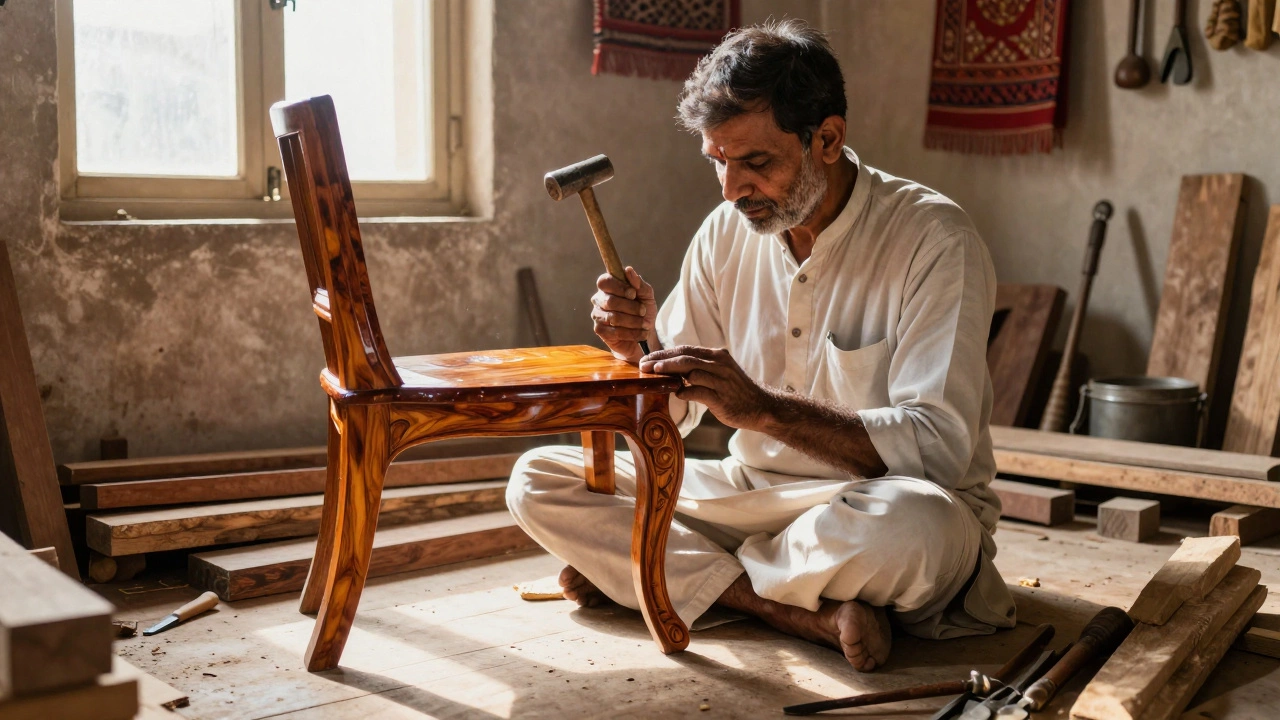
When you walk into a home with furniture that feels like it was made to last a lifetime, you don’t just see wood and fabric-you feel craftsmanship. The best furniture in the world isn’t made in a factory with robots humming on an assembly line. It’s made by hands that have spent decades learning the grain of teak, the curve of a chair leg, the way light falls on polished mahogany. And while Italy, Denmark, and the U.S. often get the spotlight, one country quietly dominates the global market for handcrafted, durable, and beautiful furniture: India.
Why India Leads in Global Furniture Making
India has been making furniture for over 5,000 years. Ancient carvings on temple doors in Rajasthan and intricate inlay work from Agra prove that fine woodworking isn’t new here-it’s inherited. Today, Indian furniture makers combine centuries-old techniques with modern design sensibilities. They don’t just build pieces; they build legacies.
What sets Indian manufacturers apart? Three things: material quality, artisan skill, and value. Indian teak, sheesham, and mango wood are dense, naturally resistant to termites and moisture. Unlike mass-produced furniture from Southeast Asia that uses particleboard and veneers, Indian makers use solid wood-often reclaimed or sustainably harvested. And because labor costs are lower without sacrificing skill, you get higher quality at a fraction of the price.
According to the Indian Furniture Export Promotion Council, India exported over $3.2 billion worth of furniture in 2024, with over 60% going to the U.S., U.K., Germany, and Australia. That’s not luck. That’s reputation.
Top Indian Furniture Manufacturers You Should Know
Not all Indian furniture makers are the same. Some focus on mass production. Others are small workshops with three artisans and a single lathe. Here are the ones that consistently win international awards and repeat customers:
- Godrej Interio - Founded in 1906, this is India’s oldest and largest furniture brand. They supply offices, hotels, and homes across 70 countries. Their strength? Scalable quality. They use precision-engineered joinery and eco-friendly finishes that meet EU and U.S. safety standards.
- Pepperfry - Started as an online marketplace, Pepperfry now owns its own manufacturing units in Tamil Nadu and Uttar Pradesh. They blend modern Scandinavian styles with Indian craftsmanship. Their signature pieces-like the Amber Side Table with hand-carved floral motifs-sell out in weeks.
- HomeTown - Focused on premium solid wood furniture, HomeTown works directly with village artisans in Punjab and West Bengal. Their Sheesham Dining Set, made from 100-year-old reclaimed wood, costs less than half of a comparable Italian piece but lasts longer.
- Woodsworth - Based in Jaipur, this family-run workshop has been making hand-carved furniture since 1972. Their pieces are sold in luxury hotels in Dubai and New York. Each chair takes 35-40 hours to complete. No two are identical.
- Urban Ladder - Known for minimalist designs, Urban Ladder uses sustainable mango wood and water-based paints. They’ve partnered with German designers to create modular storage systems that fit small Western apartments.
These aren’t just brands-they’re ecosystems. Each one employs hundreds of local craftsmen, many of whom learned their trade from their fathers, who learned from theirs.
How Indian Furniture Compares to the Rest of the World
Let’s be clear: Italy makes stunning furniture. Denmark makes timeless designs. The U.S. makes durable, functional pieces. But none of them match India’s combination of artistry, material integrity, and affordability.
| Country | Material Focus | Craftsmanship Level | Price Range (USD per Dining Set) | Lead Time |
|---|---|---|---|---|
| India | Teak, Sheesham, Mango Wood | Hand-carved, Joinery-based | $400-$1,200 | 4-8 weeks |
| Italy | Walnut, Oak, Leather | Hand-finished, Luxury Detailing | $2,500-$8,000 | 12-20 weeks |
| Denmark | Teak, Ash, Linen | Minimalist, Precision-Machined | $1,800-$5,500 | 8-16 weeks |
| China | Particleboard, Veneer | Machine-made, Mass Production | $150-$600 | 2-4 weeks |
| United States | Hardwood, Metal Frames | Functional, Industrial | $1,000-$4,000 | 6-10 weeks |
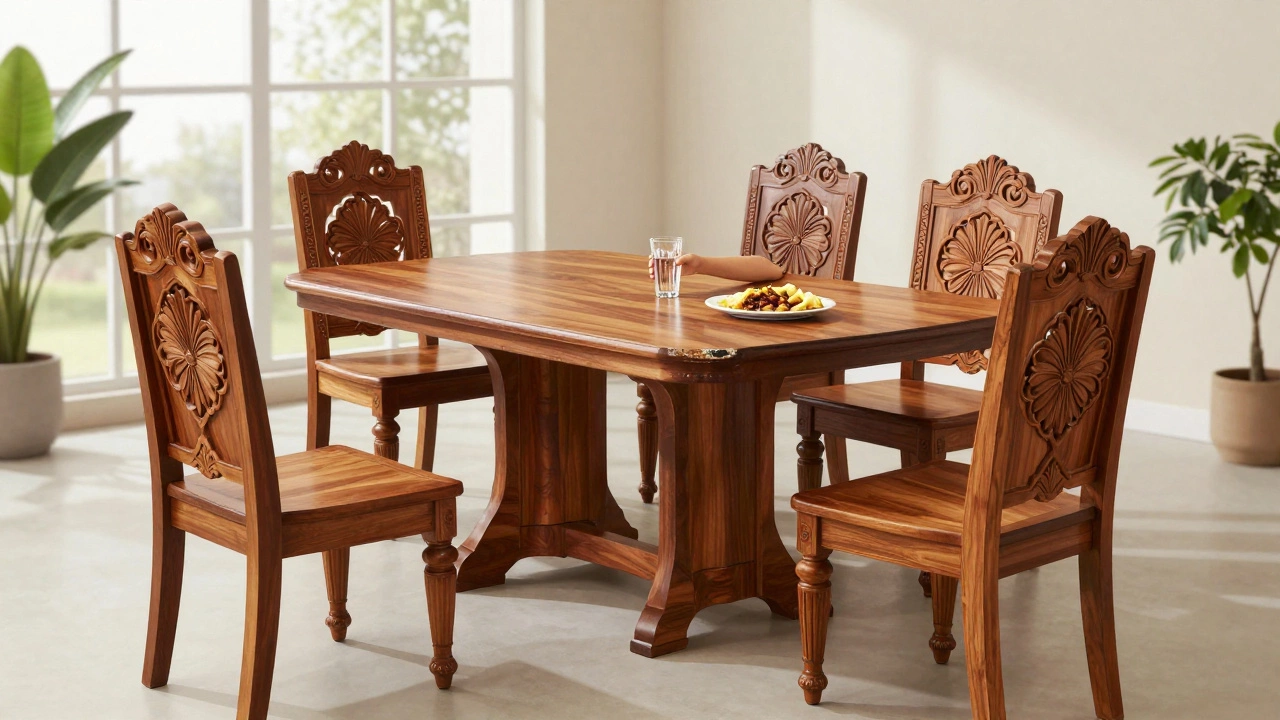
India doesn’t just compete-it redefines value. A hand-carved sheesham dining set from Jaipur, with six chairs and a 2.5-inch-thick table top, costs $950. A similar-looking piece from Italy? $4,200. The difference isn’t just price. It’s philosophy. Indian makers prioritize longevity. Italian makers prioritize aesthetics. Both are valid. But if you want furniture that survives children, pets, moves, and decades of use, India wins.
The Hidden Cost of Cheap Furniture
Many people buy furniture because it’s cheap. Then they replace it every 3-5 years. That’s not saving money-it’s wasting it.
A $300 IKEA-style bed frame made of particleboard will warp in humid climates. The veneer peels. The screws loosen. Within two years, it’s garbage. Meanwhile, a $1,100 Indian-made solid teak bed frame, built with traditional mortise-and-tenon joints, will outlive your children.
Studies from the University of Cambridge’s Sustainable Design Lab show that furniture made from solid wood lasts 3-5 times longer than engineered wood. And when it does wear out, it can be sanded, refinished, or repurposed. Particleboard? It goes straight to landfill.
Buying Indian furniture isn’t a luxury. It’s a smarter economic choice.
What to Look for When Buying Indian Furniture
Not every “Indian-made” piece is created equal. Here’s how to tell the real deal from the copycat:
- Check the wood - Solid wood has natural grain variations. Veneer looks too perfect. Tap it: solid wood sounds deep and dull. Particleboard sounds hollow.
- Look at the joints - Screws and nails? Red flag. Mortise-and-tenon, dovetail, or dowel joints? That’s craftsmanship.
- Ask about finish - Oil-based or water-based natural finishes? Good. High-gloss plastic lacquer? Often hides flaws.
- Find out where it’s made - Jaipur, Agra, Moradabad, and Coimbatore are known for quality. Generic “Made in India” labels without a workshop name? Be cautious.
- Ask for a warranty - Reputable makers offer 5-10 year warranties. If they don’t, they’re not confident in their work.
Pro tip: Buy directly from artisans on platforms like Artisanal India or IndiaCraft. You’ll get better prices and stories behind each piece.
The Future of Indian Furniture
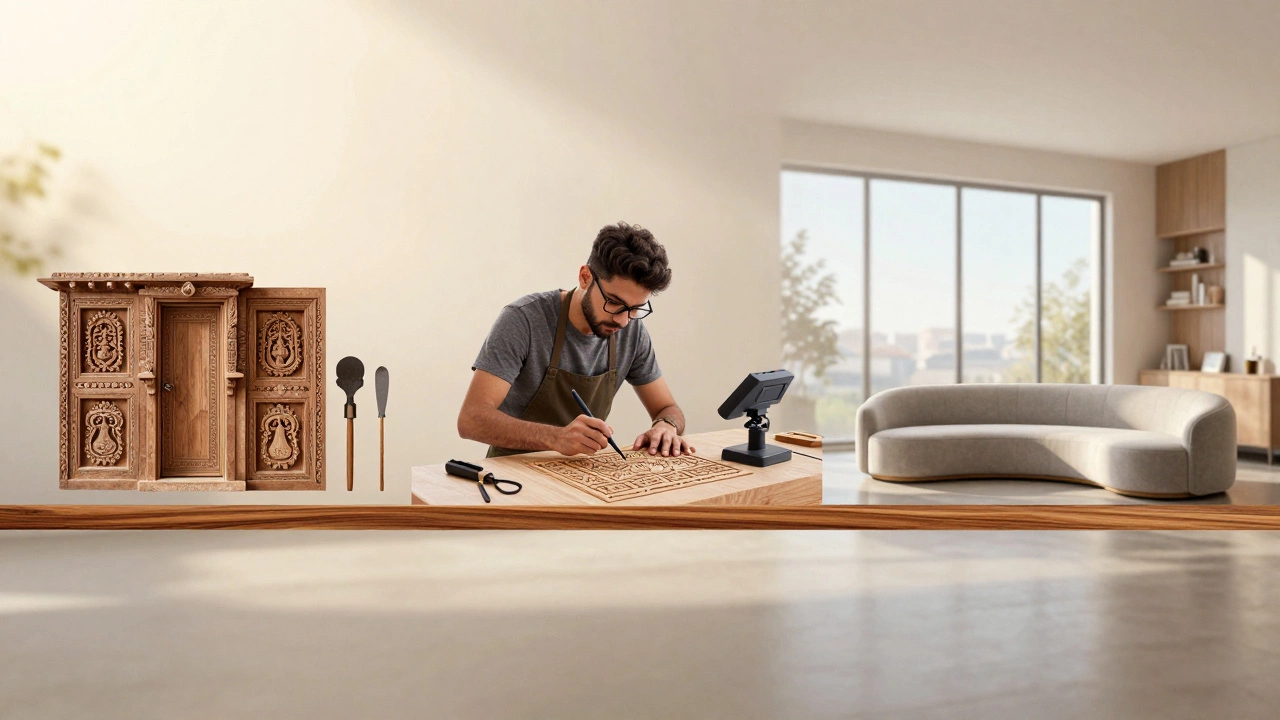
Indian furniture makers are no longer just exporting to the West-they’re innovating. Startups are using AI to predict design trends in Europe and North America, then adapting traditional techniques to meet them. One workshop in Bengaluru now uses 3D scanning to replicate century-old temple carvings on modern side tables. Another in Kerala has developed a non-toxic, plant-based polish that replaces chemical varnishes.
Global brands like Herman Miller and IKEA now source components from Indian suppliers. Why? Because when you need 10,000 perfectly carved legs for a chair, no one else can match India’s scale and skill.
India isn’t just making furniture. It’s preserving a craft that’s fading elsewhere. And in doing so, it’s setting the global standard for what “best” really means.
Is Indian furniture really better than European furniture?
It depends on what you value. European furniture often wins in design aesthetics and brand prestige. But Indian furniture beats it in durability, material quality, and price. A solid sheesham dining set from India will last 50 years. A similar-looking European piece may cost 4x more and use engineered wood underneath. If you want furniture that lasts, India wins.
Are Indian furniture makers eco-friendly?
Many are. Top Indian manufacturers use sustainably harvested wood, water-based finishes, and zero-VOC paints. Some even use reclaimed wood from old temples or demolished buildings. Unlike mass producers in China or Southeast Asia, they don’t rely on plastic laminates or particleboard, which are hard to recycle. Look for FSC-certified wood or brands that publish their sustainability reports.
How long does it take to get furniture from India?
Handmade furniture from India typically takes 4 to 12 weeks to deliver, depending on complexity and shipping method. Custom pieces or large orders may take longer. This is slower than IKEA, but faster than bespoke European makers. The wait is worth it-each piece is made to order, not mass-produced.
Can I return Indian furniture if I don’t like it?
Most reputable sellers offer a 14-30 day return window, but policies vary. Custom-made pieces are often non-returnable. Always check the return policy before buying. Reputable brands like Pepperfry and Urban Ladder have clear, customer-friendly policies. Smaller artisans on Etsy or direct websites may require you to pay return shipping.
Is Indian furniture good for small apartments?
Yes. Many Indian brands now design for compact living. Urban Ladder and Pepperfry offer modular sofas, foldable tables, and stackable chairs made from lightweight mango wood. These pieces look elegant but take up minimal space. They’re perfect for urban homes in London, New York, or Toronto.
Final Thought: The Real Measure of Quality
The best furniture in the world isn’t the most expensive. It’s the one that still looks good after 20 years. The one that your grandchildren sit on. The one that doesn’t need replacing because it was made to be loved, not discarded.
India doesn’t just make furniture. It makes memory. And that’s why, when you ask who makes the best furniture in the world, the answer isn’t a country-it’s a craft. And that craft is alive, thriving, and waiting for you to sit down on it.