McKesson Distribution Channel Selector
Select your primary product characteristics below to see which customer segment you should target within the McKesson ecosystem.
Channel Name
Segment TypeWhy this fits your profile:
Explanation goes here.
Key Success Factors:
Your analysis will appear here...
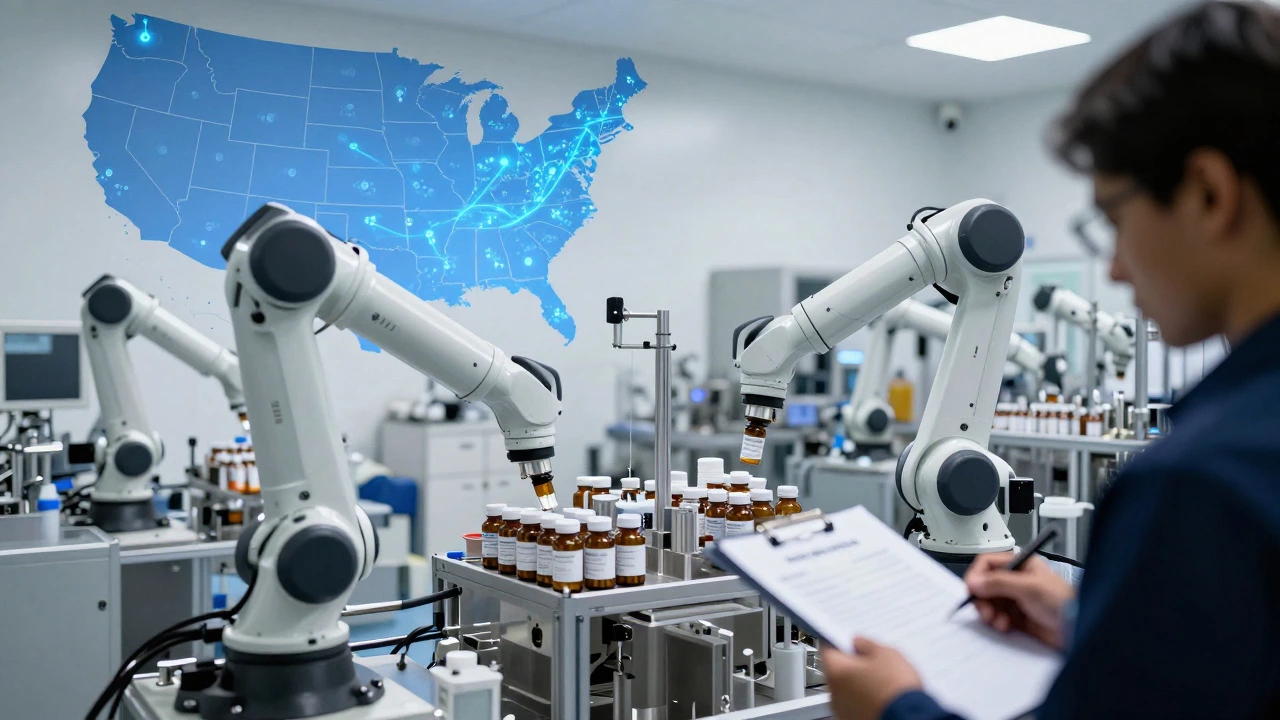
You have spent months perfecting your generic formulation in Hyderabad or Mumbai. The quality is solid, the pricing is competitive, and you are ready to enter the massive United States market. But there is a catch. You cannot just ship boxes of pills to a local drugstore in Ohio. In the US, the path from factory floor to patient’s medicine cabinet is controlled by a few massive gatekeepers. One of the biggest is McKesson Corporation, a leading provider of healthcare supply chain solutions, technology, and services. If you are an Indian pharmaceutical manufacturer looking to export, understanding who McKesson actually serves is not just trivia-it is your roadmap to revenue. This article breaks down exactly who buys from McKesson, how they fit into the supply chain, and what it means for your business.
The Core Customers: Retail Pharmacies and Chains
When people ask who McKesson distributes to, the most visible answer is the pharmacy counter where you pick up your prescription. However, this isn't just about independent mom-and-pop shops anymore. While McKesson does serve independent community pharmacies, their volume drivers are the large retail chains. Think of giants like Walgreens, a major American pharmacy chain with thousands of locations nationwide, CVS Health, one of the largest health care companies in the world operating numerous pharmacy stores, and Rite Aid, a prominent American pharmacy chain known for its widespread presence. These chains do not manufacture drugs; they rely entirely on distributors like McKesson to keep their shelves stocked. For an Indian manufacturer, this means your product needs to meet the strict purchasing criteria of these retailers. McKesson acts as the aggregator. They buy in bulk from manufacturers (including international ones) and distribute to these retail points. If your generic drug gets listed in McKesson’s catalog and meets their quality standards, you gain access to tens of thousands of retail outlets without having to negotiate with each one individually.
Hospitals and Health Systems
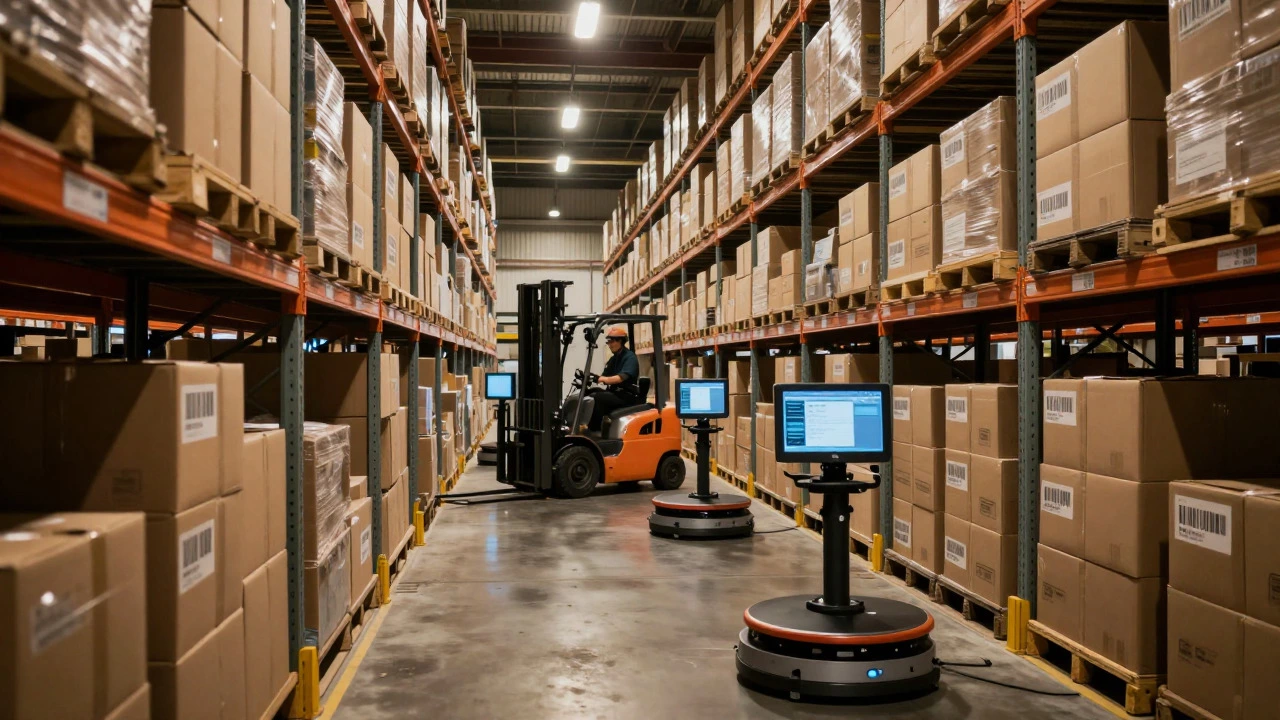
Beyond the retail counter, McKesson has a massive footprint in institutional care. They distribute directly to hospitals, surgical centers, and large health systems. This segment is different from retail because the products involved are often more complex. We are talking about injectables, biologics, medical supplies, and specialized generics that require cold chain logistics. Major hospital networks across the US rely on McKesson for just-in-time delivery. Why? Because hospitals operate on thin margins and limited storage space. They need reliable, frequent deliveries to avoid stockouts during critical procedures. For Indian manufacturers specializing in active pharmaceutical ingredients (APIs) or finished dosage forms that require stringent temperature control, partnering with a distributor that has robust hospital logistics is non-negotiable. McKesson’s ability to handle these complex requirements makes them a key player in this sector.
PBM Partnerships: The Hidden Gatekeepers
If you think pharmacies are the end of the line, you are missing half the picture. In the US, Pharmacy Benefit Managers (PBMs) play a crucial role. PBMs administer drug benefit programs on behalf of insurance companies, employers, and government agencies. Major PBMs include Express Scripts, a leading pharmacy benefit manager owned by Cigna, CVS Caremark, the PBM division of CVS Health managing prescription drug benefits, and OptumRx, a pharmacy benefit manager under the Optum umbrella of UnitedHealth Group. McKesson works closely with these PBMs. When a PBM decides which drugs to include in a formulary (the list of covered medications), they influence what gets distributed. McKesson helps manage the flow of these preferred drugs to pharmacies. For an exporter, this means your success depends not just on making a good pill, but on ensuring your product is favored by PBMs. If a PBM prefers your generic over a competitor’s, McKesson will prioritize its distribution. Understanding this dynamic is essential for navigating the US market.
Mail-Order and Specialty Pharmacies
A growing segment of McKesson’s business is mail-order and specialty pharmacies. These entities serve patients who take long-term medications or complex therapies for conditions like cancer, HIV, or multiple sclerosis. Unlike retail pharmacies, these operations focus on high-volume, direct-to-patient shipments. Specialty drugs often come with higher price tags and stricter handling requirements. McKesson provides the infrastructure to manage these delicate supply chains. For Indian manufacturers producing biosimilars or complex generics, targeting this segment can be lucrative. However, it requires rigorous adherence to Good Manufacturing Practices (GMP) and often involves closer collaboration with McKesson’s quality assurance teams. The barrier to entry is higher, but so is the loyalty and revenue potential.
How Indian Manufacturers Fit Into This Ecosystem
So, how does a manufacturer in India plug into this system? It rarely happens through a direct handshake with McKesson unless you are a global giant. Most Indian pharma companies work through a multi-step process:
- US Subsidiaries: Many Indian firms have set up subsidiaries in the US to handle regulatory compliance and sales. These entities act as the local face for distributors.
- Wholesaler Relationships: Smaller manufacturers may start by selling to regional wholesalers who then sell to McKesson or compete with them. Over time, successful products get picked up by national distributors.
- Generic Drug Programs: McKesson has specific programs for sourcing generic drugs. They look for reliability, cost-effectiveness, and regulatory compliance. Indian manufacturers are well-positioned here due to their expertise in cost-efficient production.
| Customer Type | Key Characteristics | Relevance for Indian Manufacturers |
|---|---|---|
| Retail Chains | High volume, broad range of OTC and Rx drugs | Ideal for common generics and OTC products |
| Hospitals | Complex logistics, cold chain needs, injectables | Suitable for specialized APIs and sterile products |
| PBMs | Formulary decision-makers, influence demand | Critical for securing long-term distribution deals |
| Specialty Pharmacies | High-value, niche treatments, direct-to-patient | Opportunity for biosimilars and complex generics |

Regulatory Hurdles and Compliance
Before McKesson will even consider distributing your product, it must pass the scrutiny of the Food and Drug Administration (FDA). The FDA regulates the safety and efficacy of drugs in the US. For Indian manufacturers, this means ensuring your facilities are FDA-approved and your documentation is flawless. McKesson also adheres to the Drug Supply Chain Security Act (DSCSA). This law requires traceability of drugs throughout the supply chain. Every box must be trackable from manufacturer to dispenser. If your packaging and serialization processes don’t meet DSCSA standards, McKesson cannot legally distribute your product. This is a technical hurdle that many smaller exporters underestimate. Investing in serialization technology early on can save you from costly delays later.
Why Choose McKesson Over Competitors?
McKesson is not alone in this space. They compete with AmerisourceBergen, a major American wholesale pharmaceutical distributor and Cardinal Health, a leading supplier of pharmaceuticals and healthcare products. So why might an Indian manufacturer prefer McKesson? McKesson offers a comprehensive suite of services beyond simple distribution. They provide data analytics, inventory management tools, and clinical support services. For a foreign manufacturer, having a partner that offers insights into market trends and consumer behavior can be invaluable. Additionally, McKesson’s extensive network ensures broader reach, especially in rural areas where other distributors might have weaker presence.
Next Steps for Exporters
If you are serious about getting your products into McKesson’s pipeline, start by auditing your current capabilities. Are your facilities FDA-compliant? Do you have serialization in place? Can you guarantee consistent supply? Once these basics are covered, consider engaging with a US-based regulatory consultant. They can help navigate the complexities of FDA approvals and DSCSA compliance. Networking is also key. Attend industry conferences like J.P. Morgan Healthcare Conference or DIA North America. Connect with buyers and distributors. Build relationships before you need them. Remember, trust is the currency of the pharmaceutical supply chain. Earn it through transparency, quality, and reliability.
Does McKesson import directly from India?
Yes, McKesson imports pharmaceutical products from India, but usually through established US-based subsidiaries or authorized agents of the Indian manufacturers. Direct imports require strict adherence to FDA regulations and DSCSA compliance.
What types of drugs does McKesson distribute from Indian manufacturers?
McKesson primarily distributes generic drugs, active pharmaceutical ingredients (APIs), and increasingly, biosimilars from Indian manufacturers. These products must meet US quality and safety standards.
How long does it take to become a McKesson supplier?
The timeline varies, but it typically takes several months to a year. This includes FDA approval, facility inspections, qualification audits, and integration into McKesson’s supply chain systems.
Is McKesson the only distributor I should target?
No, while McKesson is a major player, AmerisourceBergen and Cardinal Health are also significant distributors. Diversifying your distribution partners can reduce risk and increase market reach.
What is the role of PBMs in McKesson's distribution model?
PBMs influence which drugs are covered by insurance plans. McKesson collaborates with PBMs to ensure the efficient distribution of formulary-preferred drugs, impacting demand and sales volumes.