Home Manufacturing Feasibility Analyzer
Instructions: Select your intended manufacturing category below. The tool will analyze regulatory complexity, safety requirements, and estimated startup viability based on the article's data.
Analysis Results
Analyzing...Startup Cost
--
Noise Level
--
Regulatory Complexity
--
Feasibility Insight
Loading analysis...
Critical Requirements
Risk Assessment
Zoning Risk
Low
Safety Hazard
Medium
Space Constraint
High
Imagine turning your garage or spare room into a profitable production unit. For many aspiring entrepreneurs, the idea of running a manufacturing business from home is the ultimate dream: low overheads, flexible hours, and direct control over quality. But before you buy that first machine, you need to ask the hard question: Is it actually possible? The short answer is yes, but with significant caveats regarding zoning laws, safety regulations, and market viability.
The landscape of small scale manufacturing has shifted dramatically in recent years. With advancements in digital fabrication tools and e-commerce platforms, the barrier to entry has lowered. However, "home-based" does not mean "unregulated." Success depends on choosing the right product category, understanding local municipal codes, and managing noise and waste effectively. This guide breaks down exactly how to navigate these challenges and start producing goods legally and profitably from your residence.
Understanding the Legal Landscape: Zoning and Permits
The biggest hurdle for any home-based manufacturer is not the machinery; it’s the paperwork. Most residential areas are governed by strict zoning laws designed to keep industrial activities out of neighborhoods. These laws typically regulate noise levels, traffic volume, and environmental impact. Before investing a single dollar, you must check with your local municipal corporation or city planning department.
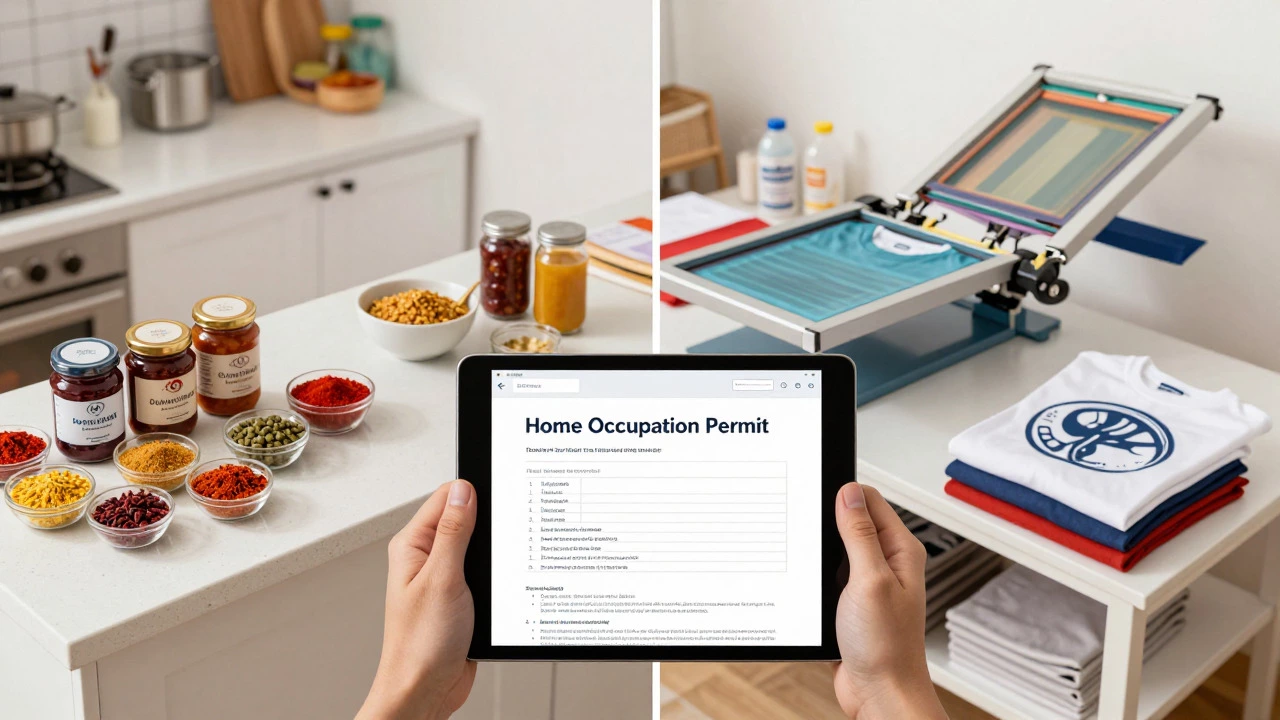
In many regions, you will need a specific type of license known as a Home Occupation Permit. This permit allows light commercial activity within a residential zone but often comes with restrictions. For example, you might be limited to working between certain hours, prohibited from having more than one non-resident employee on-site, or required to hide all equipment from street view. Failing to secure this permit can lead to hefty fines or forced closure.
Additionally, depending on what you produce, you may need industry-specific certifications. If you are processing food, health department inspections are mandatory. If you are handling chemicals, even in small quantities, environmental protection agencies may require waste disposal plans. Ignoring these regulatory bodies is the fastest way to shut down your business before it truly begins.
Safety First: Managing Risks in a Residential Setting
Manufacturing inherently involves risks-moving parts, heat, electricity, and sometimes hazardous materials. When you bring these elements into a home where family members sleep and eat, safety protocols become non-negotiable. Your insurance provider will likely require proof of adequate safety measures before covering your business liability.
Ventilation is critical. Many small-scale processes, such as resin casting, painting, or soldering, release fumes that can accumulate quickly in enclosed spaces. Installing high-quality exhaust fans and air filtration systems is not optional; it’s essential for long-term health. Similarly, electrical loads must be managed carefully. Industrial-grade machines often draw more power than a standard household circuit can handle, posing a fire risk if not wired correctly by a licensed electrician.
Fire suppression is another key area. Standard home smoke detectors are not enough. You should install Class ABC fire extinguishers accessible near every workstation. If you work with flammable materials like textiles or solvents, consider upgrading to a specialized fire suppression system. Documenting these safety upgrades also helps when applying for business licenses, showing authorities that you take compliance seriously.
Top Viable Home-Based Manufacturing Ideas
Not all products are suitable for home production. Heavy metalworking or large-scale plastic injection molding usually requires industrial space due to noise and vibration. Instead, focus on high-margin, low-volume items that require minimal footprints and generate little pollution. Here are some proven categories:
- Food Processing: Making artisanal jams, pickles, spice blends, or baked goods. These products have high demand and relatively low startup costs. However, they require strict hygiene standards and often a separate kitchen setup approved by health officials.
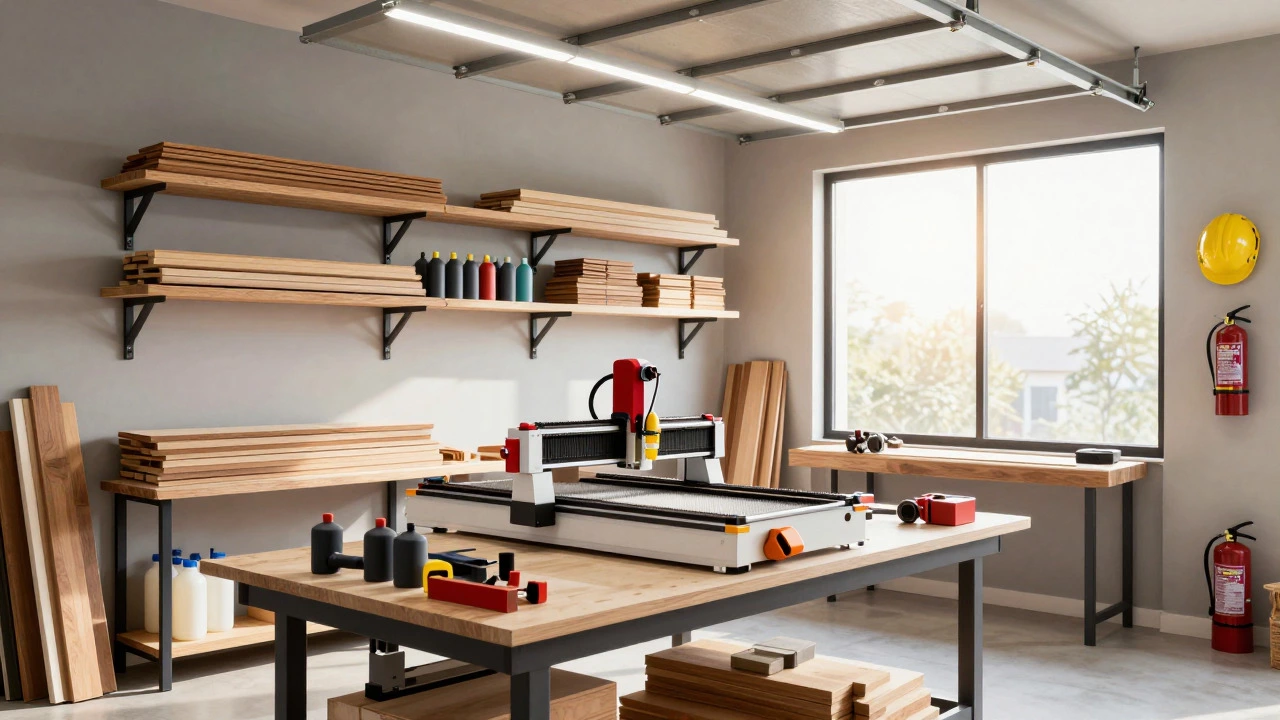
- Craft Furniture & Woodworking: Using CNC routers or hand tools to create custom furniture, cutting boards, or decorative items. Wood dust management is crucial here, so invest in a good dust collection system.
- Textile & Apparel: Screen printing t-shirts, embroidering logos, or sewing custom garments. This sector benefits greatly from online customization trends and has low material storage needs.
- Resin & Polymer Crafts: Creating jewelry, coasters, or decorative art using epoxy resins. While visually appealing, this requires careful chemical handling and proper ventilation.
- Packaging & Labels: Printing custom stickers, labels, or packaging materials for other small businesses. Digital printers can handle small batches efficiently without the noise of offset presses.
Equipment and Space Optimization
Space is your most scarce resource at home. Unlike a factory floor, you cannot simply expand outward. You must optimize vertically and functionally. Start by defining a dedicated production zone that is physically separated from living areas whenever possible. This separation helps contain noise, dust, and visual clutter.
Invest in modular and compact equipment. For instance, desktop CNC machines or mini-lathes offer precision without taking up entire rooms. Use wall-mounted storage for tools and raw materials to keep floors clear. Organize your workflow linearly: receive materials, process them, package them, and ship them, ensuring each step flows smoothly without backtracking.
Lighting is often overlooked but vital. Poor lighting leads to errors and accidents. Install bright, shadow-free LED task lighting over workbenches. Natural light is great for morale, but artificial light ensures consistency during evening shifts. Remember, a well-organized workspace reduces fatigue and increases output quality.
| Category | Startup Cost (Est.) | Noise Level | Regulatory Complexity | Best For |
|---|---|---|---|---|
| Food Processing | Low - Medium | Low | High (Health Inspections) | Culinary enthusiasts |
| Woodworking | Medium | High | Medium (Dust/Fire) | Craftsmen |
| Textile Printing | Low | Low | Low | Designers |
| Resin Art | Low | Low | Medium (Chemical Safety) | Artists |
Marketing and Sales Channels for Home Manufacturers
Producing the item is only half the battle; selling it is the other. One advantage of home-based manufacturing is agility. You can respond quickly to customer feedback and customize orders easily. Leverage this strength through direct-to-consumer channels.
Online marketplaces like Etsy, Amazon Handmade, and eBay are excellent starting points. They provide built-in traffic and trust mechanisms. However, competition is fierce. To stand out, focus on storytelling. Share videos of your production process on Instagram or TikTok. People love seeing the human hands behind the product. It builds authenticity and justifies premium pricing.
Don’t ignore local opportunities. Farmers' markets, craft fairs, and community events allow you to meet customers face-to-face. Collect email addresses at these events to build your own mailing list. Owning your customer data protects you from algorithm changes on social media platforms. Offer bulk discounts to local retailers who might want to stock your unique handmade goods.

Financial Management and Scaling
Keep your finances strictly separate. Open a dedicated business bank account and credit card. Mixing personal and business expenses makes tax season a nightmare and obscures your true profitability. Track every expense, from raw materials to electricity spikes caused by your machinery.
As sales grow, reinvest profits into automation and efficiency. Buy better tools that reduce labor time. Outsource packaging if it becomes a bottleneck. Eventually, you may outgrow your home space. That’s a good problem to have. Plan for this transition early by building relationships with shared workshop spaces or small industrial units. Many cities now offer "maker spaces" that provide affordable access to heavy equipment and larger facilities for growing businesses.
Common Pitfalls to Avoid
Many home manufacturers fail because they underestimate hidden costs. Shipping materials, waste disposal fees, and insurance premiums add up quickly. Always calculate your cost per unit accurately, including labor and overhead. Pricing too low to compete with mass-produced items will drain your resources.
Burnout is another silent killer. Working from home blurs the line between life and business. Set strict working hours and stick to them. Protect your family time and mental health. Finally, don’t try to do everything alone. Hire virtual assistants for administrative tasks or part-time help for peak seasons. Delegating frees you to focus on production and innovation.
Do I need a special license to manufacture goods at home?
Yes, in most cases. You typically need a general business license and a Home Occupation Permit from your local municipality. Depending on the product, you may also need health department approvals (for food) or environmental permits (for chemicals). Always check with your local city hall or planning department before starting.
What are the best low-investment manufacturing ideas for beginners?
Ideas with low startup costs include candle making, soap crafting, screen printing t-shirts, and assembling jewelry. These require minimal space, low noise, and inexpensive raw materials. Food processing like jam or spice blending is also viable if you have access to a compliant kitchen.
How do I handle shipping and logistics from my home?
Use online shipping platforms like Shopify Shipping, Pirate Ship, or local postal services to compare rates. Dedicate a specific area for packing and labeling. Consider partnering with third-party logistics (3PL) providers once your order volume exceeds what you can manage personally.
Is home manufacturing safe for families with children?
It can be, if you establish strict boundaries. Keep hazardous materials locked away, use childproof locks on cabinets, and ensure machinery is turned off and unplugged when not in use. Ideally, set up your workspace in a detached garage or a room with a lockable door to create a physical barrier.
When should I move from home to a commercial warehouse?
Consider moving when your inventory blocks living spaces, when noise complaints arise, or when you need to hire multiple employees. Another sign is when shipping costs increase due to carrier surcharges for residential pickups. Shared maker spaces are a great intermediate step before leasing a full warehouse.