Food Profitability Estimator
Select a food category to see typical industry margins, or enter your own product details to calculate specific profitability.
Quick Category Comparison
Click a category to load typical market data into the calculator below.
Selected: Confectionery & Snacks
Typical Margin: 60-80%
Shelf Life: Long (6-12 months)
Complexity: Medium
Typical Margin: 60-80%
Shelf Life: Long (6-12 months)
Complexity: Medium
Custom Profit Calculator
Profit Analysis
Gross Profit
£0.00
Gross Margin
0%
Margin Rating:
N/A
Enter values to see analysis.
Note: Gross margin does not include overheads such as labor, rent, marketing, packaging, and distribution. As highlighted in the article, these factors can significantly impact net profit. Always consider operational costs when evaluating true profitability.
You walk into a supermarket, grab a bag of potato chips for £1.50, and head to the checkout. It seems like a simple transaction. But behind that crisp, salty snack lies a complex web of raw material sourcing, industrial frying, packaging engineering, and global logistics. The question isn't just about what sells the most units; it's about which item generates the highest margin per unit sold. If you are looking at food processing as a business venture, understanding where the money actually hides is critical.
Most people assume high-volume items like bread or milk make the most money. They don't. Bread has razor-thin margins because it spoils quickly and requires massive daily distribution networks. Milk is similar; it’s a commodity with fixed pricing pressures from large retailers. The real money in food processing sits in items that have low raw material costs but high perceived value, long shelf lives, and strong brand loyalty. Let's break down exactly which categories dominate the profitability charts and why.
The Sweet Spot: Confectionery and Snacks
If you want to see where the biggest profits hide, look no further than the confectionery aisle. Sugar, cocoa butter, and basic flavoring agents are incredibly cheap when bought in bulk. Yet, consumers pay premium prices for branded chocolate bars, gummy bears, and hard candies. Why? Because these items aren't bought for nutrition; they are bought for emotion and convenience.
Consider a standard chocolate bar. The cost of goods sold (COGS) might be around 20-30% of the retail price. That leaves a 70-80% gross margin before overheads. Compare this to fresh produce, where margins can drop below 10% due to spoilage and transport costs. In the UK market, brands like Cadbury or Nestlé leverage this by creating limited-edition flavors that command higher prices without significantly increasing production complexity.
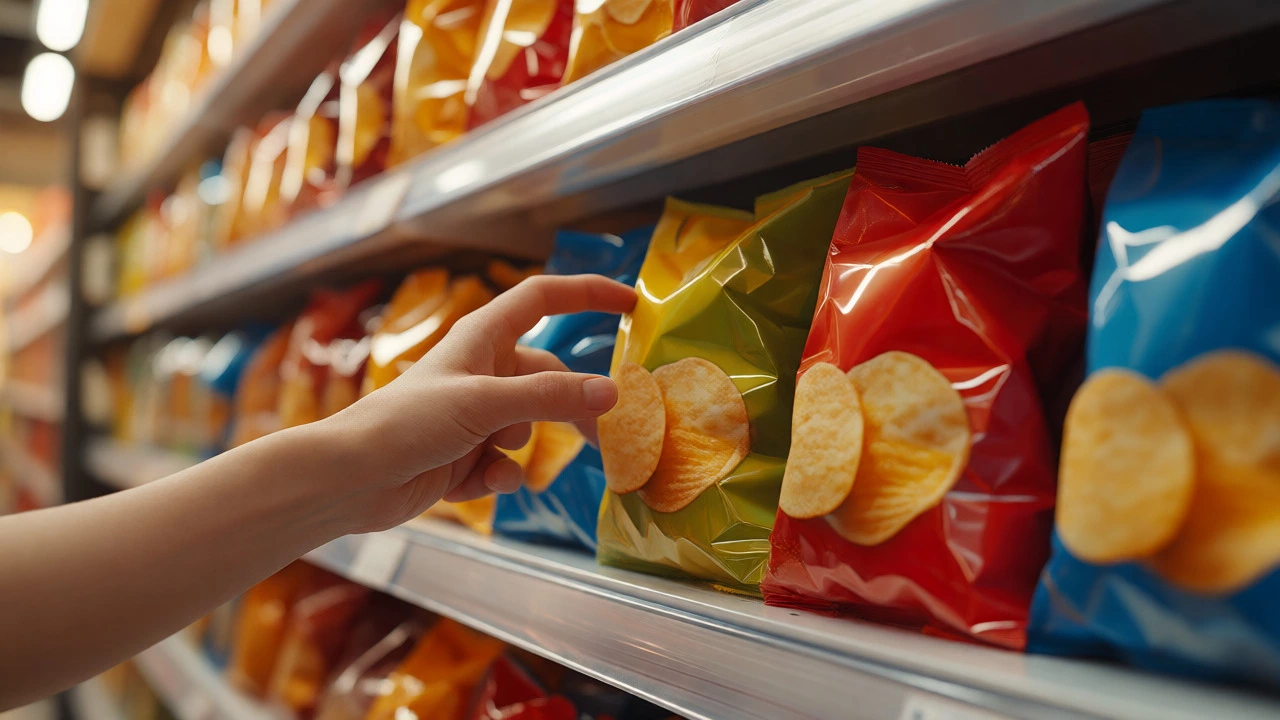
Snack foods follow a similar logic. Potato chips, pretzels, and popcorn are essentially air-filled starch. The raw potatoes are dirt cheap. The magic happens in the seasoning and branding. A bag of salted peanuts costs pennies to produce but retails for pounds. The key here is shelf stability. Unlike fresh fruit, a bag of chips doesn't rot if it sits on a shelf for six months. This reduces waste, which is one of the biggest silent killers of profit in food processing.
Beverages: Selling Water with a Story
Think about bottled water. It is literally free from the tap, yet companies sell billions of liters annually at a markup of 1,000% or more. While pure water is an extreme example, the entire beverage industry operates on high margins. Soft drinks, energy drinks, and even fruit juices offer some of the best returns in food manufacturing.
Energy drinks are particularly interesting. The base ingredients-water, sugar, caffeine, taurine-are inexpensive. However, the marketing spend creates a perception of performance enhancement, allowing manufacturers to charge £2.50 for a 250ml can that costs perhaps 40p to produce. The liquid itself is secondary; you are selling the lifestyle and the promise of alertness.
Fruit juices occupy a middle ground. Pure orange juice is expensive because oranges are seasonal and perishable. But "juice drinks" or blends, where only 10-20% is actual juice, allow processors to stretch their profits significantly. By adding water, sweeteners, and flavorings, manufacturers lower the cost per liter while maintaining a health-conscious image. This dilution strategy is a classic move in food processing economics.
Dairy Products: The Cheese Factor
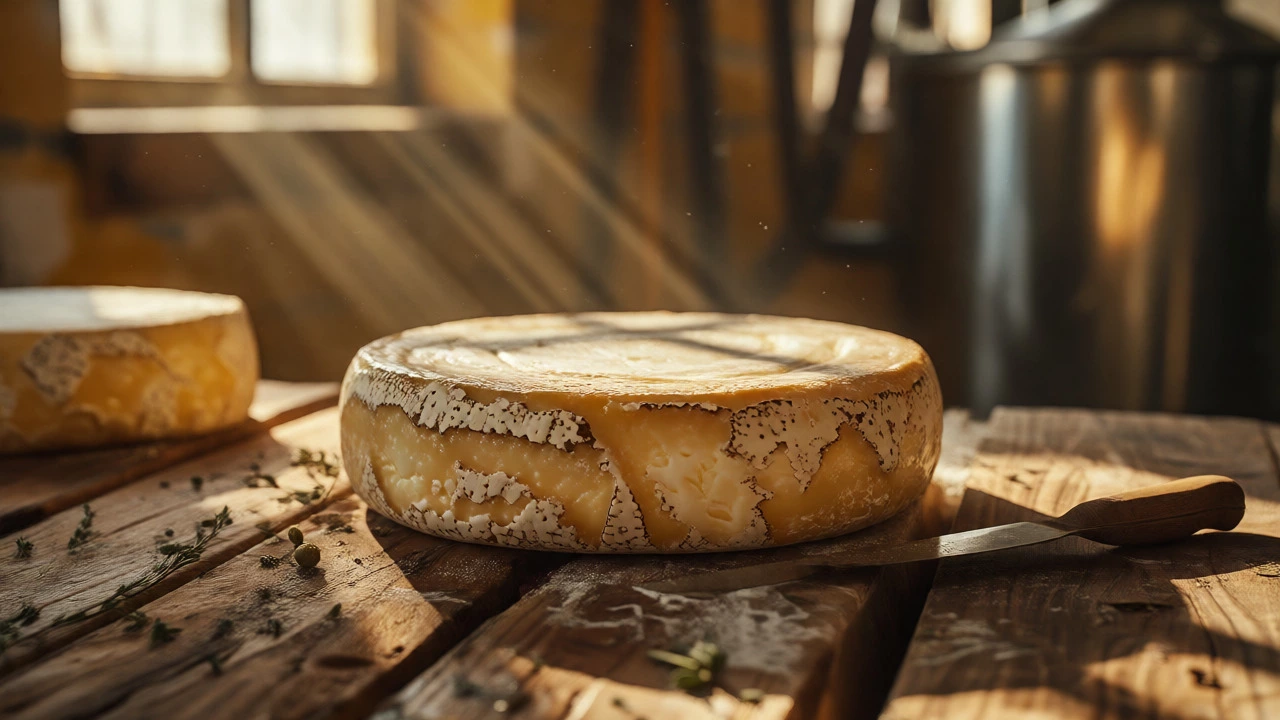
Milk itself is a low-margin product. But turn that milk into cheese, and the economics change dramatically. Cheese is essentially concentrated milk. It takes roughly ten liters of milk to make one kilogram of hard cheese. While this sounds inefficient, cheese has a much longer shelf life and commands a higher price per kilogram than fluid milk.
Specialty cheeses, such as aged cheddar or artisanal blue cheese, offer even higher margins. The aging process adds value over time without requiring additional raw materials. You are essentially storing value. A block of young cheddar might sell for £8 per kg, but after eighteen months of aging, that same block could fetch £15 or more. For a small-scale manufacturer, this ability to hold inventory without spoilage risk is a powerful financial tool.
Yogurt is another high-margin dairy item. Basic yogurt is cheap to make, but flavored and probiotic yogurts carry a significant premium. The addition of fruit pieces or live cultures allows brands to position the product as a health supplement rather than just a dairy staple, justifying a higher price point.

Condiments and Sauces: Small Bottles, Big Margins
Sauces and condiments are often overlooked, but they are gold mines for food processors. Ketchup, mayonnaise, salad dressings, and hot sauces consist mostly of cheap fillers like vinegar, oil, sugar, and water. The expensive part is the flavor profile, which comes from spices and herbs used in tiny quantities.
A bottle of premium hot sauce might contain peppers worth a few pence, but it sells for £4 or £5. The consumer pays for the heat, the unique blend, and the brand story. Hot sauce has become a cult favorite in recent years, with niche brands commanding loyal followings. This allows for direct-to-consumer sales models that bypass retailer markups, further boosting net profit.
Salad dressings operate on similar principles. Vinegar and oil are commodities. Emulsifiers and preservatives extend shelf life. But the label "Organic," "Artisan," or "Low Fat" transforms a basic mixture into a premium product. For small manufacturers, starting with a single niche sauce can be a viable entry point into the market with relatively low capital expenditure.
Factors That Kill Your Profits
High gross margins don't always equal high net profit. Several factors can erode your earnings in food processing. First is regulatory compliance. Food safety standards in the UK are strict. Implementing HACCP (Hazard Analysis and Critical Control Points) systems requires investment in training, documentation, and equipment. Failing to comply can lead to fines or recalls, which are devastatingly expensive.
Second is packaging. Packaging can sometimes cost more than the food inside. Glass jars, for instance, are heavy and fragile, increasing shipping costs. Plastic pouches are lighter but require specialized sealing machinery. Choosing the right packaging format is a delicate balance between protection, presentation, and cost efficiency.
Third is distribution. Getting your product onto supermarket shelves is difficult and expensive. Retailers often demand slotting fees, and they squeeze suppliers on payment terms. Many new food businesses find that selling directly online or through local farmers' markets yields better margins initially, despite lower volume.
Comparison of Profit Potential
To help you visualize the differences, here is a breakdown of typical gross margins across different food categories. Note that these are estimates and vary based on scale, brand strength, and operational efficiency.
| Food Category | Typical Gross Margin | Shelf Life | Complexity |
|---|---|---|---|
| Confectionery | 60-80% | Long (6-12 months) | Medium |
| Beverages (Soft/Energy) | 50-70% | Medium (6-9 months) | Low-Medium |
| Cheese (Aged) | 40-60% | Very Long (Years) | High |
| Sauces/Condiments | 50-70% | Long (12+ months) | Low |
| Fresh Bakery | 20-30% | Short (Days) | High |
| Fluid Milk | 10-20% | Short (Weeks) | Low |
How to Choose Your High-Profit Niche
Don't just chase the highest margin number. Consider your capabilities. Can you handle the cold chain required for dairy? Do you have access to specialized machinery for confectionery molding? Are you skilled at digital marketing to drive sales for niche sauces?
Start small. Test a product with a small batch. Sell it locally or online. Gather feedback. Adjust your recipe and packaging. Once you have a proven formula, scale up. Remember, consistency is key in food processing. One bad batch can ruin your reputation. Invest in quality control early on.
Also, look for trends. Plant-based alternatives, gluten-free options, and functional foods (foods with added health benefits) are growing sectors. Entering these markets early can provide a first-mover advantage. For example, oat milk was a niche curiosity ten years ago; now it’s a billion-dollar industry.
Which food item has the highest profit margin?
Confectionery and specialty beverages typically offer the highest profit margins, often ranging from 60% to 80%. This is due to low raw material costs relative to the high retail price driven by branding and emotional appeal.
Is bread profitable for food processors?
Generally, no. Bread has very thin profit margins, often below 30%, due to high labor costs, short shelf life, and intense competition. It relies on high volume sales to generate significant net income.
Why are beverages so profitable?
Beverages are profitable because their primary ingredient, water, is extremely cheap. Manufacturers add flavorings, sugars, and branding to create high-perceived-value products. Additionally, liquids are easy to package and ship efficiently.
Does cheese make more money than milk?
Yes, cheese generally offers higher margins than fluid milk. Cheese has a longer shelf life, reducing waste, and commands a higher price per kilogram. Aging processes also add value over time without significant additional input costs.
What is the biggest cost in food processing besides ingredients?
Packaging and distribution are often the largest costs after ingredients. Specialized packaging protects the product and attracts customers but can be expensive. Distribution costs increase with weight and fragility, making lightweight, durable packaging essential for profitability.