Find Your Ideal Chemical Sourcing Hub
Configure Your Requirements
Select your requirements to see which Indian chemical hub matches your needs best.
When people ask which city in India is famous for chemical industry, the answer isn't just one name. It’s a map of specialized zones. While Gujarat dominates in volume and diversity, cities like Visakhapatnam, Chennai, and Mumbai each hold specific niches that keep the nation’s supply chains moving. Understanding these hubs matters if you are sourcing raw materials, looking for B2B partnerships, or simply trying to grasp how India powers its own growth.
The Indian chemical sector is worth over $100 billion and accounts for about 7% of the country’s GDP. But this money isn’t spread evenly. It clusters around ports, refineries, and policy-friendly states. If you want to know where the action is, you have to look at infrastructure, logistics, and historical advantage. For instance, while most business discussions stay focused on domestic trade, global connectivity often leads professionals to explore diverse international directories, such as this resource, which highlights how different regions organize their local service economies in unique ways.
Gujarat: The Undisputed Heartbeat
If there is a single state that defines Indian chemicals, it is Gujarat. Home to the largest Special Investment Region (SIR) dedicated to chemicals in Asia, Gujarat produces nearly 40% of the country’s chemical output. But within Gujarat, two cities stand out: Dahej and Ankleshwar.
Ankleshwar is an industrial town in Bharuch district known for fine and specialty chemicals. This area is home to giants like Reliance Industries and UPL. The cluster here focuses heavily on agrochemicals, dyes, and intermediates. The proximity to the GIFT City financial hub also helps companies manage exports and investments efficiently.
Just down the coast, Dahej is a major port-based industrial zone specializing in basic chemicals and petrochemicals. With deep-water port access, Dahej handles bulk imports of crude oil and exports of finished products. Companies here benefit from lower logistics costs because they don’t need to truck goods across long distances to reach shipping lanes.
Why does Gujarat win? It combines political stability with aggressive infrastructure development. The state government has streamlined approvals through single-window clearances, reducing the time it takes to set up a plant from years to months. This efficiency attracts both domestic players and foreign direct investment (FDI).
Visakhapatnam: The Petrochemical Powerhouse
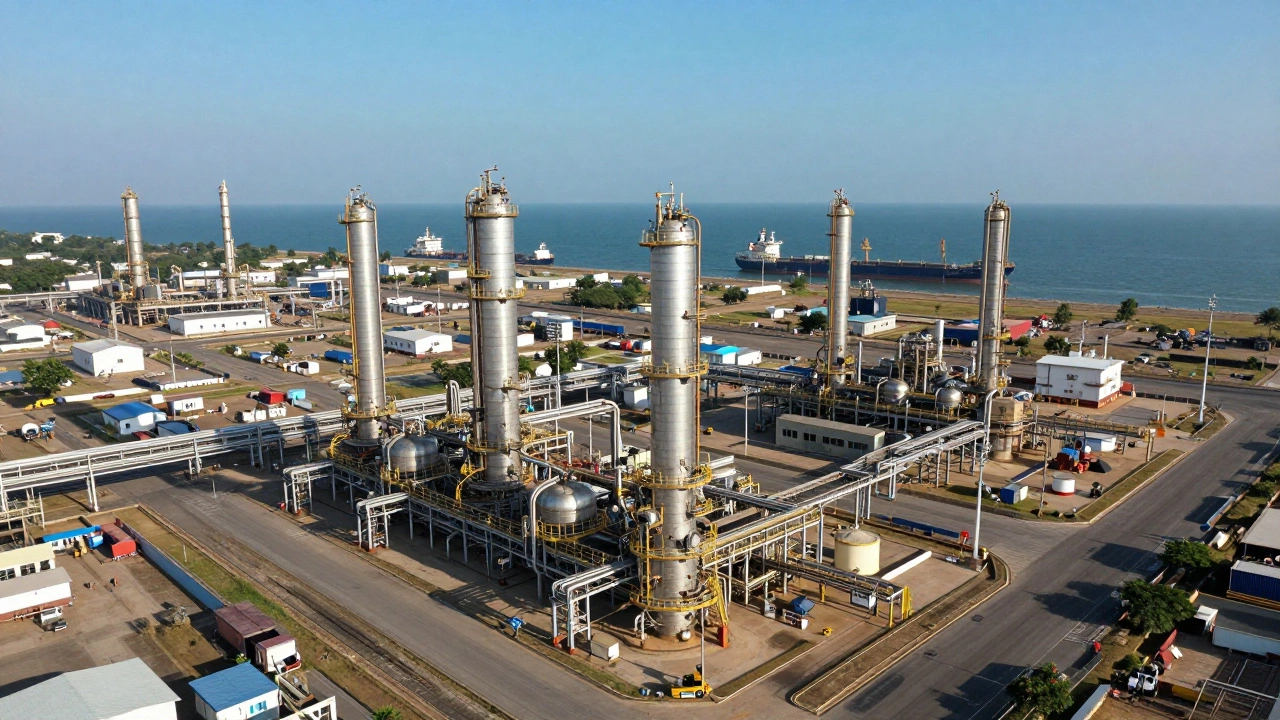
Move east to Andhra Pradesh, and you find Visakhapatnam (often called Vizag). This city is famous for its natural harbor and steel plants, but it is equally critical for the chemical sector. Vizag hosts one of India’s largest integrated petrochemical complexes.
The key player here is HPCL-Mittal Energy Ltd (HMEL), a joint venture between Hindustan Petroleum and Mittal Group. Their complex processes naphtha into ethylene, propylene, and other olefins. These are the building blocks for plastics, packaging, and automotive parts. Because Vizag sits on the Bay of Bengal, it serves as an export gateway to Southeast Asia and Europe.
Unlike Gujarat’s fragmented small-to-medium enterprises (SMEs), Vizag’s model is large-scale and capital-intensive. You won’t find thousands of tiny dye manufacturers here. Instead, you see massive refineries producing high volumes of base chemicals. This makes Vizag ideal for companies needing consistent, bulk supplies of polymers and resins.
Chennai: The South’s Specialty Hub
In the south, Chennai stands out not for bulk production but for precision. Tamil Nadu has a strong automotive and electronics manufacturing base, which drives demand for high-purity chemicals. Chennai’s chemical industry focuses on:
- Electronic-grade solvents
- Automotive coatings and adhesives
- Pharmaceutical intermediates
Cities like Sriperumbudur and Oragadam, part of the Chennai metropolitan region, host numerous units supplying the auto component sector. The quality standards here are strict because end-products like car paint or smartphone screens cannot tolerate impurities. As a result, Chennai’s chemical firms invest heavily in R&D and quality control labs.
This specialization creates a different kind of ecosystem. Instead of competing on price, Chennai manufacturers compete on purity and reliability. For buyers looking for niche ingredients rather than tonnage, this region offers better value despite higher per-unit costs.
Mumbai and Maharashtra: The Refining Core
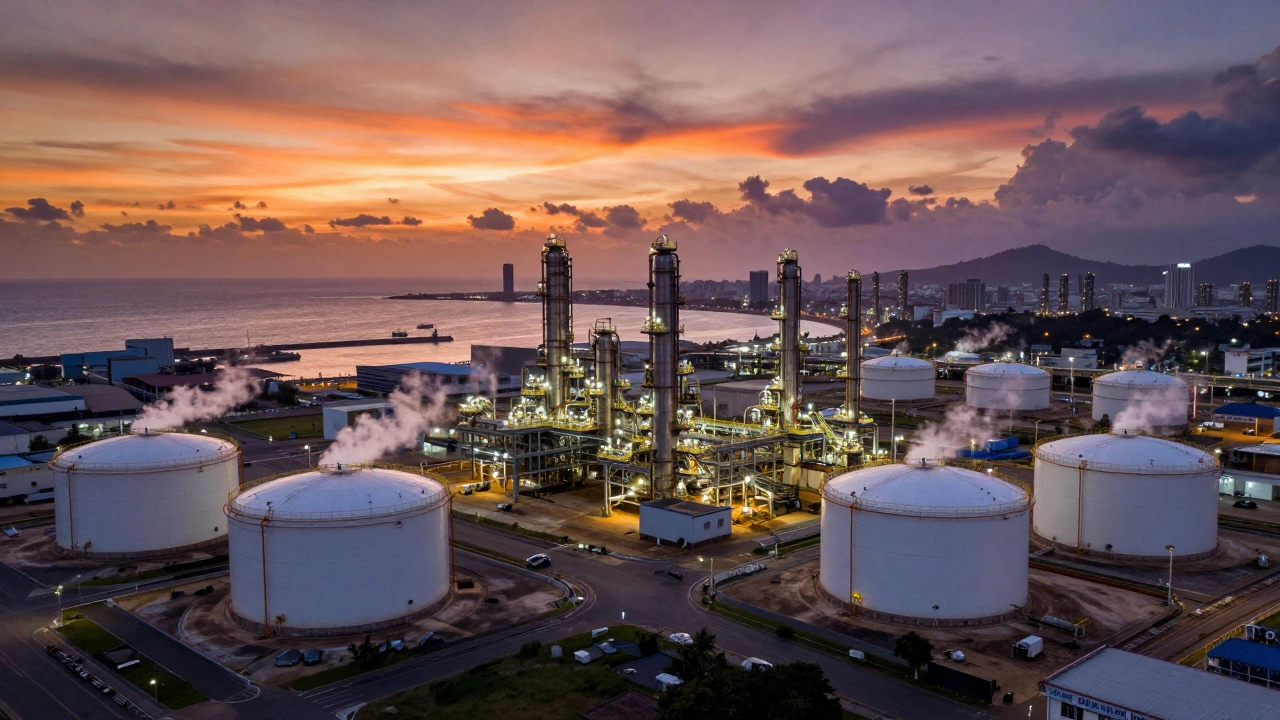
Mumbai itself doesn’t house many chemical plants due to land constraints and environmental regulations. However, the neighboring districts of Thane and Navi Mumbai form a critical belt. The Jawaharlal Nehru Port Trust (JNPT) facilitates the import of raw materials and export of finished goods.
Maharashtra’s strength lies in refining. Oil India Limited and private refiners process crude into feedstocks that feed into downstream chemical units. The state also has a robust presence of multinational corporations (MNCs) setting up regional headquarters and formulation centers. This blend of heavy industry and corporate management makes Maharashtra a strategic node for decision-making and distribution.
Comparison of Major Chemical Hubs
| City/Region | Primary Focus | Key Advantage | Major Players |
|---|---|---|---|
| Ankleshwar/Dahej (Gujarat) | Fine & Basic Chemicals | Port access, SME density | Reliance, UPL, Tata Chemicals |
| Visakhapatnam (Andhra Pradesh) | Petrochemicals | Large-scale integration | HPCL-Mittal, IOCL |
| Chennai (Tamil Nadu) | Specialty & Auto Chemicals | Proximity to auto/electronics | BASF, Dow, Local SMEs |
| Thane/Navi Mumbai (Maharashtra) | Refining & Distribution | Financial & Logistics Hub | IOCL, BPCL, MNC HQs |
Why Location Matters for Buyers
If you are sourcing chemicals, your choice of partner depends on what you need. Bulk commodities like caustic soda or sulfuric acid are best sourced from Gujarat or Vizag where economies of scale drive down prices. Logistics costs can eat into margins if you order from distant locations.
For specialty items, however, distance matters less than capability. A manufacturer in Chennai might charge more per kilogram, but their product may meet ISO standards that a cheaper alternative cannot. Always evaluate total cost of ownership, including quality assurance, lead times, and compliance documentation.
Regulatory changes also impact location strategy. The central government’s Production Linked Incentive (PLI) scheme encourages manufacturing of key chemicals. States offering additional subsidies under PLI become more attractive overnight. Keep an eye on policy announcements when planning long-term contracts.
Environmental Challenges and Sustainability
No discussion of India’s chemical industry is complete without addressing waste management. Industrial clusters face pressure to reduce effluent discharge and carbon emissions. Gujarat and Maharashtra have implemented stricter norms under the Central Pollution Control Board (CPCB).
Leading companies now adopt circular economy models. They recycle water, capture heat energy, and convert waste into fuel. Smaller units struggle with compliance costs, leading to consolidation in the market. Buyers should prefer suppliers with verified sustainability certifications, as regulatory risks could disrupt supply chains unexpectedly.
Which city in India produces the most chemicals?
Gujarat, particularly the Ankleshwar-Dahej corridor, produces the highest volume of chemicals in India, accounting for roughly 40% of national output.
Is Visakhapatnam good for petrochemicals?
Yes, Visakhapatnam is one of India’s top petrochemical hubs due to its large integrated complexes and port facilities that support bulk exports.
Where should I source specialty chemicals in India?
Chennai and its surrounding industrial areas are ideal for specialty chemicals, especially those used in automotive and electronics manufacturing.
What role do ports play in chemical manufacturing?
Ports reduce logistics costs for importing raw materials like crude oil and exporting finished goods. Cities near ports like Dahej and Vizag have a significant competitive advantage.
Are there government incentives for chemical plants?
Yes, the Production Linked Incentive (PLI) scheme provides financial benefits for manufacturing key chemicals, encouraging domestic production and reducing imports.