Pharma Production Cost Simulator
Based on key drivers found in global pharmaceutical reports: Labor, Utilities, Regulations, and Supply Chain.
Unit Cost Breakdown Factors
Skilled Labor & Engineering
$15.00
Reflects salary scales for PhD chemists and technicians.
Utilities & Utilities Subsidy
$12.00
Impact of Special Economic Zones (SEZs) and power rates.
Supply Chain & APIs
$10.00
Proximity to Active Pharmaceutical Ingredient sources.
Estimated Cost Per Unit
$0.37
Per 100 tablets (Batch avg)
Insight:
In developed markets, strict regulatory compliance and high operational overhead significantly increase unit costs.
The Reality Behind the Pharmacy of the World
You likely hold prescription bottles daily where the label says "Made in India." This isn't an accident. Roughly twenty percent of all generic drugs consumed in the United States originate from facilities across the subcontinent. But what drives this massive flow of medicine? It goes far beyond simple price tags.
India has evolved into a global hub for pharmaceutical production. The country supplies over two billion doses annually and holds roughly forty percent of the global demand for vaccines. The nation exports medicines to more than two hundred countries. The Republic of India captures this position through a unique mix of policy, engineering talent, and established infrastructure. Understanding the mechanics reveals why nations rely on these pharmaceuticals made in India for their public health security.
Strategic Cost Advantages Beyond Labor
Price often comes first when analyzing manufacturing shifts, but the story here is more complex than cheap wages. While labor costs in cities like Hyderabad or Mumbai remain lower than in New Jersey or Frankfurt, the true savings come from economies of scale. Large conglomerates produce billions of tablets simultaneously. This volume lowers the cost per unit drastically.
Energetic regulations also play a huge role. Governments have historically set up Special Economic Zones (SEZs) specifically for manufacturing. These zones offer tax holidays and subsidized utilities. A factory might pay significantly less for electricity compared to a counterpart in Western Europe. Furthermore, the local availability of raw materials reduces logistics costs. Transporting chemicals across oceans adds weight, risk, and price. Producing near the source cuts out middlemen.
| Production Factors | |
|---|---|
| Operational Overhead | Significantly lower in industrial clusters |
| Utility Costs | Subsidized power and water rates available |
| R&D Expenses | Skilled workforce commands lower salaries |
| Supply Chain | Shorter distances for raw material procurement |
The Role of Patent Flexibility and Generics
A legal framework determines how fast new medicines reach patients. For years, India utilized a specific clause in patent law known as compulsory licensing. This allowed local companies to reverse-engineer patented drugs once the original developer was no longer innovating on them. Although patents were strengthened after the World Trade Organization agreements, the genie could not be put back in the bottle.
Indian firms specialized in developing generic versions before patents expired globally. When a blockbuster medication hits the generic market, prices usually plummet. Patients save money, and healthcare systems stretch budgets further. Companies like Sun Pharmaceutical Industries and Dr. Reddy's Laboratories built empires on this business model. They mastered the art of bio-equivalence-proving their cheaper version works exactly the same as the original brand name.
Generic Drugs serve as lower-cost therapeutic alternatives to brand-name medications. They contain identical active ingredients and undergo the same rigorous testing. Generics are critical for treating chronic diseases in developing nations where brand pricing is unaffordable.Mastering Regulatory Compliance Standards
It sounds counterintuitive, but getting permission to sell in tough markets is actually a barrier to entry that protects good players. To export to the United States, a facility must pass a US Food and Drug Administration audit. These inspections are notoriously difficult. If you fail, you get Warning Letters that halt your business.
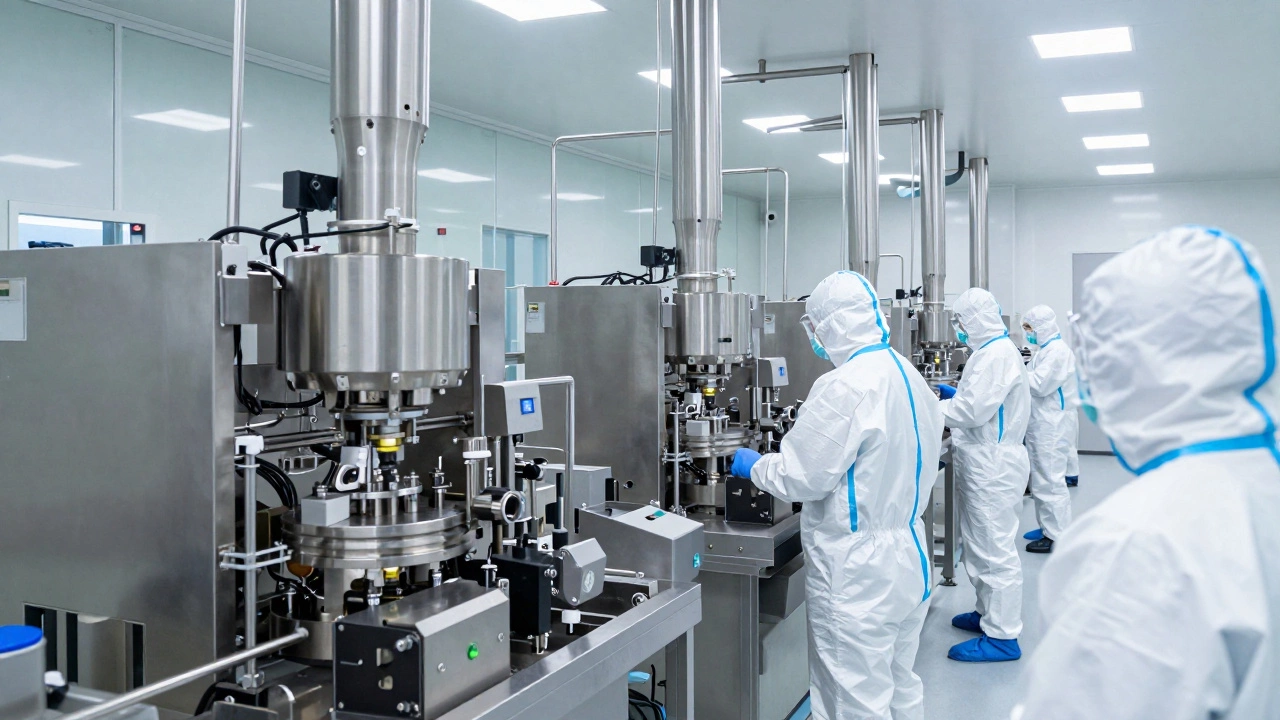
Top Indian manufacturers invest heavily in Good Manufacturing Practices (GMP). This means maintaining sterile environments, precise temperature controls, and meticulous record-keeping. Once a plant gets approved by the US Food and Drug Administration, the independent regulator ensuring safety of food and drugs, it stays validated for years. This builds trust with international buyers. Healthcare providers know that a pill stamped with an Indian manufacturer's code meets strict safety benchmarks.

Engineering Talent and Scientific Expertise
Behind every machine is a team of engineers and scientists. India produces tens of thousands of science graduates every single year. This creates a massive talent pool for pharma companies to hire from. You find PhD chemists willing to work in formulation labs because the opportunities domestically are plentiful.
This human capital allows companies to move quickly. If a new disease outbreak demands rapid vaccine production, the skilled workforce scales up operations faster than regions facing labor shortages. Research parks in Bangalore and Pune focus intensely on biotechnology and advanced delivery systems. Innovation isn't just copying anymore; it involves designing better inhalers or stable formulations that survive tropical heat without refrigeration.
Dominance in Active Pharmaceutical Ingredients
The core component of any medicine is the Active Pharmaceutical Ingredient (API). This is the chemical that actually cures the illness. Historically, China dominated this sector. However, environmental crackdowns there disrupted supply chains recently.
Indian facilities stepped in to fill the gap. They developed specialized clusters for producing Ketalones, Antibiotics, and cardiovascular compounds. By controlling the upstream production of these powders, Indian formulators can guarantee the purity of the final tablet. This vertical integration makes them resilient against external shocks.
- Active Pharmaceutical Ingredients, the biologically active substance responsible for treatment effects
- Manufacturing of intermediates locally reduces reliance on imports
- Diversification helps maintain steady supply even during geopolitical tensions
Government Initiatives Driving Growth
Policies change, but the support remains consistent. Recent initiatives focus on self-reliance and reducing dependency on foreign imports for basic chemicals. The government offers capital subsidies for setting up modern units. These incentives encourage companies to upgrade old factories rather than just expanding capacity.
Data centers now monitor the entire lifecycle of a drug. Digital tracking prevents counterfeit medicines from entering legitimate channels. Blockchain technology is being tested for serialization. This transparency appeals to regulators globally who worry about fake products. It aligns with the World Health Organization’s push for supply chain integrity.
World Health Organization acts as the directing and coordinating authority for international health work. WHO sets prequalification standards for essential medicines. Indian manufacturers frequently receive prequalification status, enabling UN procurement.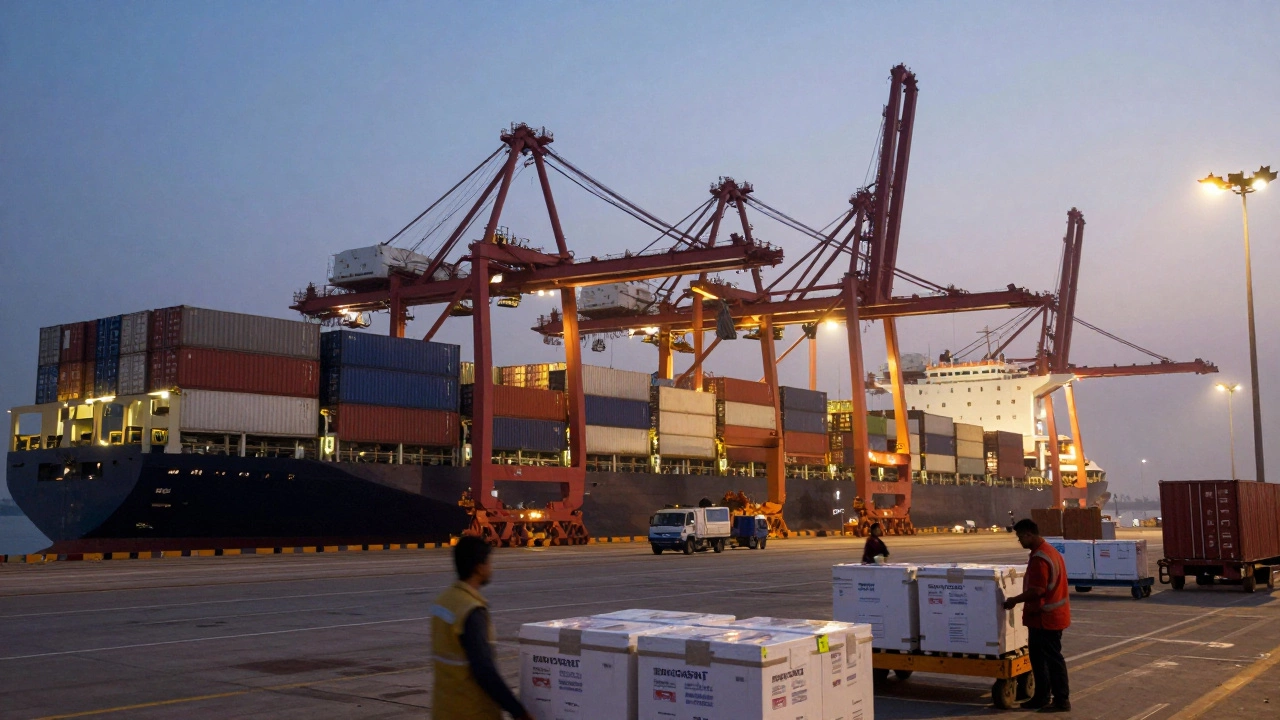
Addressing Quality Concerns and Scrutiny
With high volume comes scrutiny. In recent years, several units received warnings for data integrity issues. Some found gaps in record-keeping or failed maintenance checks. While high-profile, these cases represent a small fraction of total production.
The industry responded aggressively. Most top-tier firms now have real-time monitoring systems. Audits happen more frequently, often scheduled quarterly instead of annually. Transparency is the only way to defend against skepticism. Buyers look for third-party certification from agencies like SGS or Intertek alongside official government approvals.
Sustainability and Future Manufacturing Trends
The future of pharma relies heavily on green chemistry. Modern plants are installing water recycling systems to minimize effluent discharge. Carbon footprint reduction is becoming a selling point. European markets especially favor suppliers with sustainable practices.
Automation plays a larger role too. Robotic arms handle toxic materials safely. AI-driven predictive maintenance stops equipment failures before they happen. This efficiency ensures that quality remains high even as volumes grow. As the world faces aging populations and rising non-communicable diseases, the demand for affordable treatments continues to climb.
Frequently Asked Questions
Is medicine from India safe?
Yes, reputable manufacturers adhere to strict US FDA and EMA standards. They undergo regular, unannounced inspections to validate their processes.
What percentage of US drugs come from India?
Approximately twenty percent of generic drugs sold in the United States are manufactured in India, making it a top supplier globally.
Why do Indian companies make cheaper medicines?
Lower operational costs, competitive labor markets, and efficient supply chains allow for reduced production expenses passed on to consumers.
Are there risks in relying on one country?
Yes, supply chain concentration poses risks. Diversifying sourcing to include other regions mitigates potential disruptions from local events.
How does India control drug quality?
Through CDSCO oversight and mandatory adherence to Good Manufacturing Practices, ensuring consistent quality control across all licensed units.