Food Value-Addition Estimator
Product Transformation
$
Financial Outlook
Raw Revenue:
$0.00
Processed Revenue:
$0.00
Estimated Value Increase
$0.00
Multiplier: 0x
Insight: This demonstrates how shifting from commodity selling to branded processing decouples price from ingredient costs.
Key Takeaways
- The most profitable segments are processed foods, beverages, and animal proteins.
- Value addition is the primary driver of wealth in the food chain.
- Technology and automation in processing units are widening the profit gap between small farms and giant corporations.
- The shift toward "better-for-you" foods is creating new high-margin niches.
The Power of Value Addition
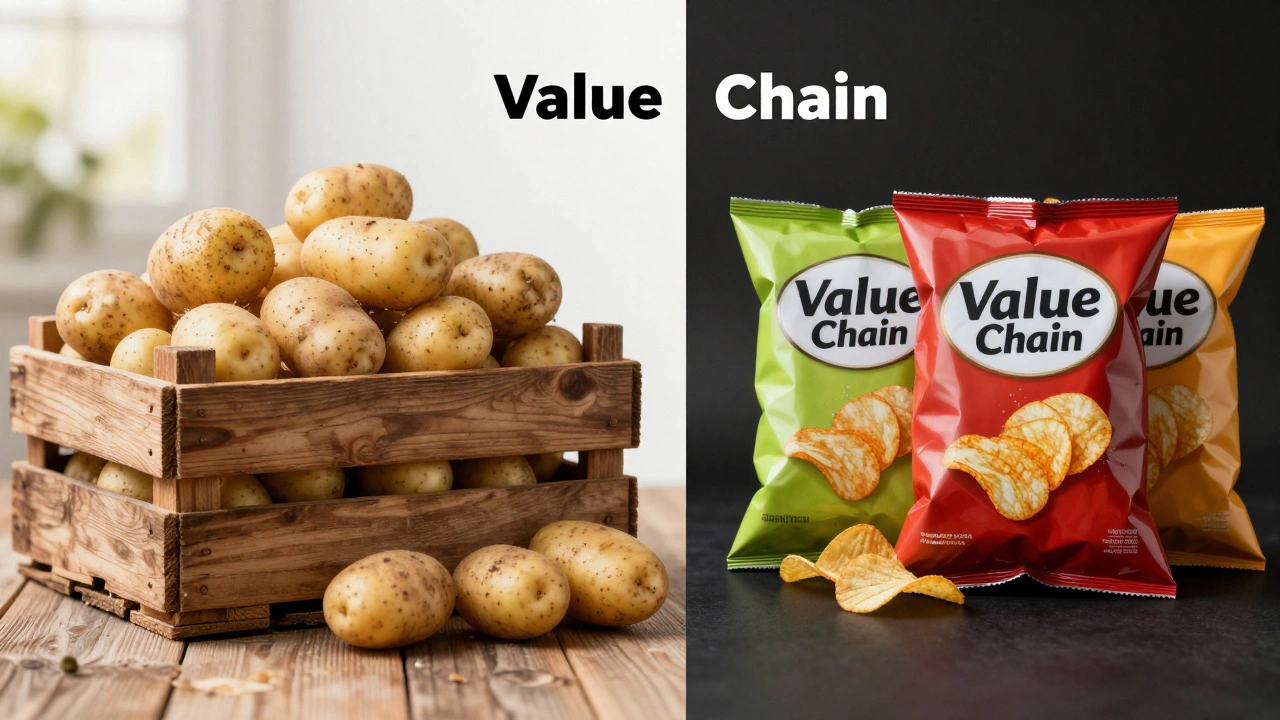
To understand where the wealth lies, you have to look at the "value chain." If a farmer sells a potato, they might make a few cents per unit. But if a company takes that potato, slices it, fries it, seasons it, and puts it in a shiny bag, the price jumps by 500% or more. This is why Food Processing is the transformation of raw agricultural ingredients into food products for consumption is the richest sector. It turns a volatile commodity into a stable, branded consumer good.
Processing units allow companies to control shelf life, taste, and distribution. By removing the risk of spoilage-which happens rapidly with raw produce-these industries can move products across oceans, scaling their revenue to a global level. While the raw material costs remain relatively stable, the retail price of a processed snack is determined by marketing and brand perception, not just the cost of the grain.
The Heavy Hitters: Which Sectors Make the Most Money?
Not all food sectors are created equal. If you look at the balance sheets of the world's largest companies, a few specific areas consistently outperform others. First, the Beverage Industry is an absolute powerhouse. Why? Because liquids are cheap to produce but command high prices. Think about soda or bottled water. The cost of the liquid is negligible compared to the cost of the plastic bottle and the marketing. The profit margins here are some of the highest in the entire consumer goods world.
Then you have the processed snacks and confectionery segment. This is where Nestlé and PepsiCo operate. They don't just sell food; they sell cravings. By using a blend of salt, sugar, and fat, they create products with high addictive qualities and incredibly long shelf lives. These units don't worry about a bad harvest in one region because they source raw materials globally and process them in centralized, high-efficiency plants.
| Sector | Input Cost | Value Add | Profit Margin | Scalability |
|---|---|---|---|---|
| Raw Agriculture | High (Labor/Seed) | Low | Low to Moderate | Limited by Land |
| Dairy Processing | Moderate | Medium | Moderate | Regional |
| Processed Snacks | Low | High | High | Global |
| Soft Drinks | Very Low | Very High | Very High | Global |
The Meat and Dairy Machinery
Animal protein is another massive wealth generator. The Meat Processing Industry has evolved from local butcher shops into highly integrated industrial complexes. Companies like JBS or Tyson Foods control everything from the feed the animals eat to the packaging in the store. This vertical integration allows them to capture profit at every single stage of the process.
In the dairy world, the wealth has shifted toward high-value derivatives. Raw milk has thin margins, but specialized dairy processing that creates whey protein isolates, infant formula, and aged cheeses transforms a cheap liquid into a premium health or luxury product. The equipment used in these units-like ultra-filtration systems and spray dryers-requires huge upfront investment, which creates a barrier to entry, keeping the wealth concentrated in the hands of a few giant players.
The New Wealth: Plant-Based and Functional Foods
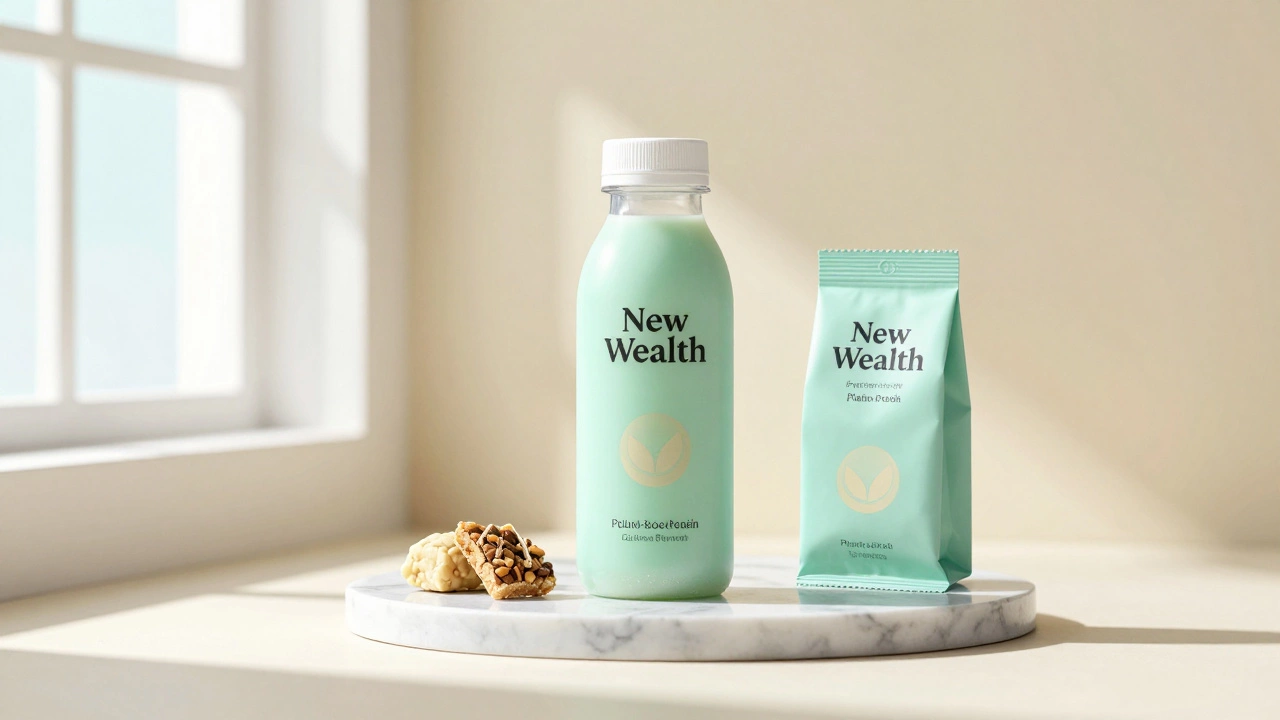
The industry is currently undergoing a shift. We are seeing the rise of Alternative Proteins, which include lab-grown meat and plant-based substitutes. While these are newer, they are incredibly "rich" in terms of venture capital and potential. Why? Because they aren't just selling food; they are selling a solution to climate change and ethics. This allows companies to charge a "premium" price that far exceeds the cost of the soy or pea protein used.
Similarly, "functional foods"-things like probiotic drinks or vitamin-fortified snacks-are booming. When a food product is marketed as a health supplement, it moves from the "commodity" category to the "wellness" category. People are willing to pay five times more for a yogurt if it claims to improve gut health than they would for a standard plain yogurt. The processing units that can master these formulations are currently the fastest-growing wealth creators in the sector.
How Processing Units Actually Generate Wealth
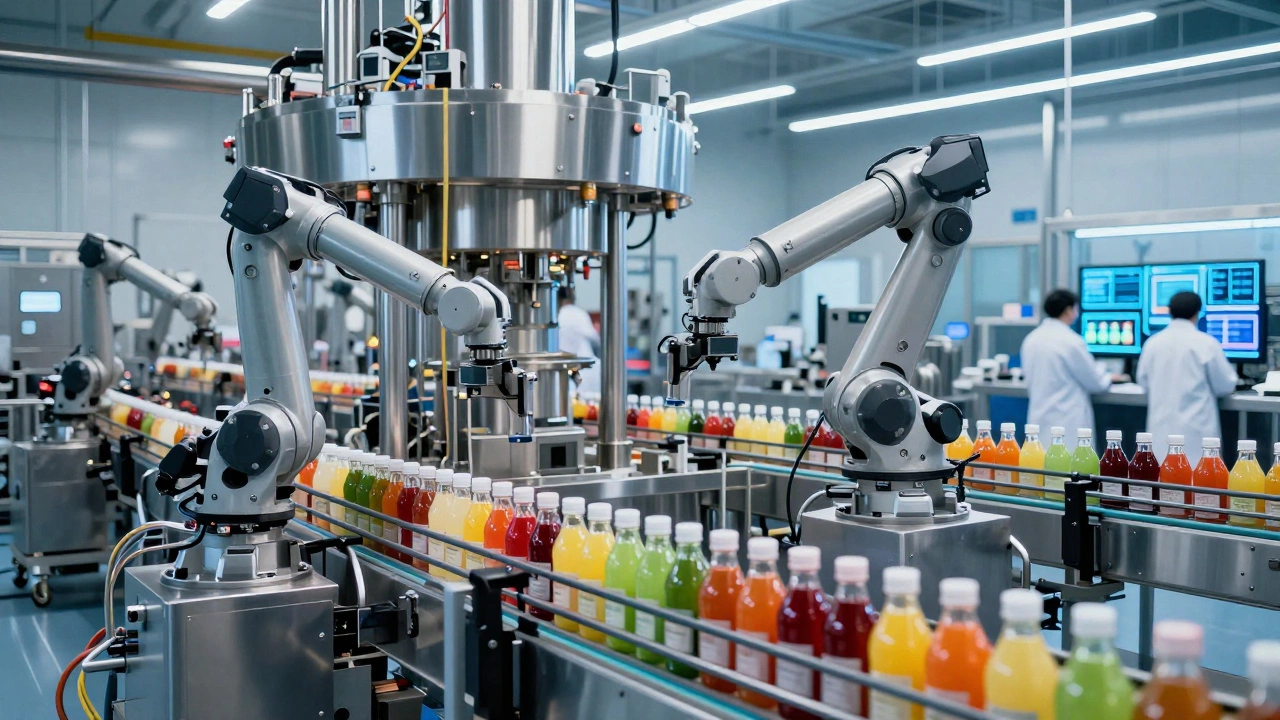
If you're wondering how a factory actually makes more money than a farm, it comes down to three things: efficiency, branding, and logistics. Modern food processing units use automation to cut labor costs. A single robotic arm can do the work of twenty people with zero mistakes. This lowers the cost per unit drastically while the retail price stays high.
Then there's the branding. A potato is a commodity. A "Lays" chip is a brand. By creating an emotional connection with the consumer, companies can decouple the price of the product from the price of the ingredient. This is where the "richest" companies live-in the gap between the cost of the corn and the price of the brand.
Finally, logistics and cold-chain management allow these companies to dominate markets. By investing in refrigerated transport and warehouses, they can buy ingredients when they are cheapest (during peak harvest) and sell them year-round at a premium. This ability to manipulate time and space is what makes the processing industry the true engine of wealth in the food world.
Is the food industry actually the richest industry globally?
While sectors like Tech or Finance might have higher individual company valuations, the food industry is the most "stable" rich industry because demand is inelastic. People cannot stop eating, which ensures a constant flow of cash regardless of the economic climate.
Why are beverage companies more profitable than vegetable farmers?
Beverage companies deal in high-margin products where the raw material (water, syrup) is very cheap. They invest heavily in branding and distribution, allowing them to sell a product for a price that is many times its production cost. Farmers, however, deal with volatile weather and commodity pricing they cannot control.
Which food processing units have the highest barriers to entry?
High-tech processing units, such as those producing infant formula, specialized pharmaceuticals, or lab-grown proteins, have the highest barriers. They require massive capital for specialized machinery and strict regulatory certifications (like FDA or EFSA) that take years to acquire.
Does the "organic" trend increase profit for the industry?
Yes, significantly. Organic certification allows processing units to charge a premium price for essentially the same processing steps. The "value add" here is the certification and the perceived health benefit, which increases the margin for the company that owns the brand.
What role does automation play in the wealth of food processing?
Automation reduces the reliance on expensive human labor and minimizes waste. In a high-volume industry, saving 1% of raw material through precision cutting or filling can result in millions of dollars in additional annual profit.
Next Steps for Aspiring Entrepreneurs
If you're looking to enter this space, don't start by planting a crop. Start by identifying a gap in the processing chain. Look for "under-processed" local ingredients that could be turned into a branded snack or a health supplement. The wealth isn't in the farming; it's in the transformation. Focus on high-margin, long-shelf-life products that can be shipped easily. That's where the real money is hiding in the food industry.