Indian Pharma Future-Readiness Calculator
Evaluate your company's or portfolio's alignment with the three massive shifts defining the future of pharmacy in India: Specialty focus, Manufacturing Excellence, and Digital/Sustainability integration.
Future-Readiness Score
--
Select Options
Choose parameters to see your readiness level.
India is often called the "pharmacy of the world," but that label is starting to feel a bit outdated. For decades, the narrative was simple: India makes cheap generics, and the rest of the world buys them. But if you look at what’s happening on the ground in hubs like Hyderabad, Mumbai, and Ahmedabad, the story has changed completely. We are no longer just copying molecules; we are innovating, automating, and integrating into complex global supply chains.
As we move through 2026, the question isn't just about volume anymore. It’s about value. The future of pharmacy in India hinges on three massive shifts: the transition from bulk active pharmaceutical ingredients (APIs) to high-margin biologics, the digitization of patient care, and a new era of strict global compliance. If you are an investor, a manufacturer, or a policy watcher, understanding these shifts is critical because the old playbook doesn't work anymore.
The Shift from Generics to Specialty Pharma
For years, Generic Drugs are medicines produced after the patent of the original drug has expired, allowing other manufacturers to produce identical versions at lower costs. dominated the conversation. Companies like Sun Pharmaceutical Industries is India's largest pharmaceutical company by revenue, known for its strong presence in neurology and dermatology segments. and Dr. Reddy's built empires on this model. But margins in traditional generics are shrinking due to price erosion in markets like the United States and Europe.
The real growth engine now is specialty pharmaceuticals. This includes complex generics, biosimilars, and orphan drugs. Biosimilars, which are highly similar copies of biological medicines, represent a multi-billion dollar opportunity. As patents expire on blockbuster biologic drugs globally, Indian manufacturers are positioning themselves to fill that gap. Unlike small-molecule generics, biologics require sophisticated manufacturing facilities and cold-chain logistics. This barrier to entry protects Indian players from low-cost competition from other emerging markets.
We are seeing a clear trend where mid-sized Indian firms are acquiring Western assets not just for market access, but for technology transfer. This allows them to leapfrog from making basic tablets to producing injectable oncology drugs and vaccines. The focus is shifting from being the cheapest option to being the most reliable partner for complex therapies.
Manufacturing Excellence and API Independence
One of the biggest vulnerabilities in the Indian pharma sector has been its reliance on China for Active Pharmaceutical Ingredients (APIs). In recent years, the government and industry bodies have pushed hard to change this dependency. The Production Linked Incentive (PLI) scheme has played a crucial role here, offering financial incentives to companies that set up domestic API manufacturing units.
Active Pharmaceutical Ingredients (APIs) are the biologically active components in a drug formulation responsible for its therapeutic effect. By 2026, we are seeing a noticeable increase in domestic capacity for key intermediates. However, true independence requires more than just building factories. It requires developing the chemical raw materials upstream. This is where the concept of "Cluster-based Development" comes in. Regions like Gujarat and Tamil Nadu are creating integrated ecosystems where chemical parks provide shared infrastructure for waste treatment and energy, reducing the cost of production for smaller API makers.
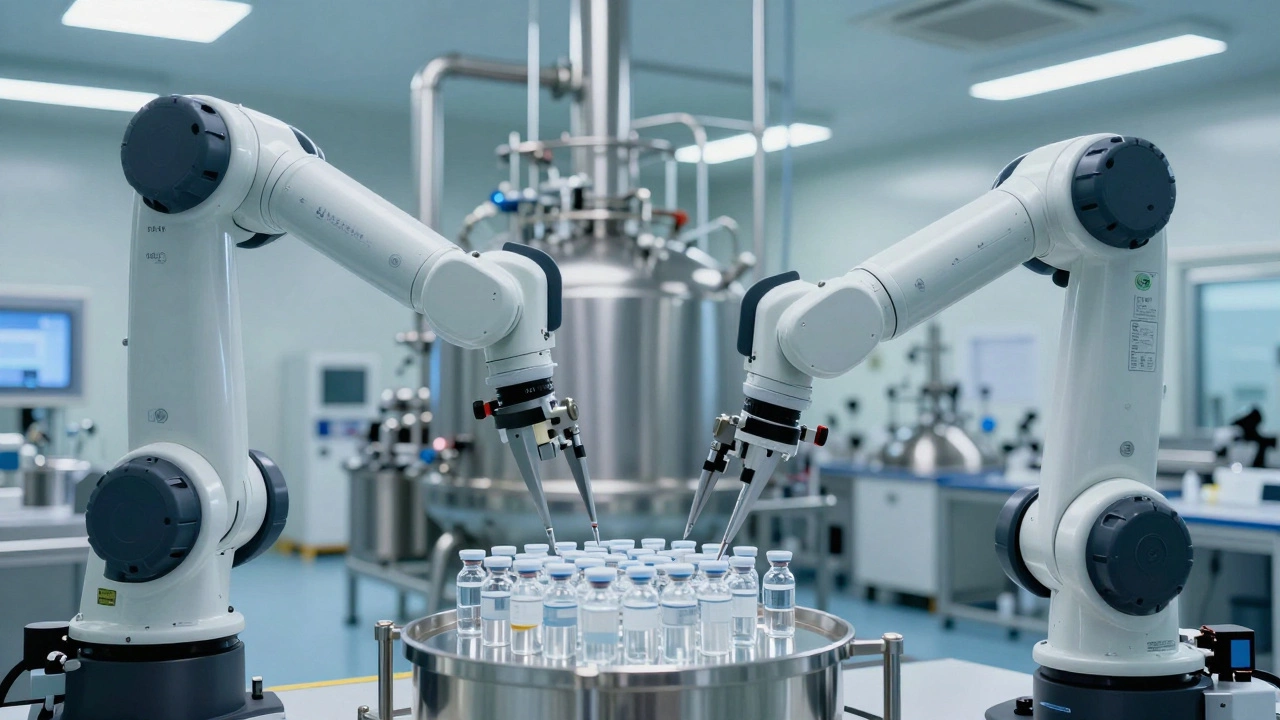
Automation is another game-changer. With labor costs rising and quality standards tightening, manual processes are becoming liabilities. Modern plants are adopting Industry 4.0 technologies, using sensors and AI to monitor every step of the manufacturing process. This reduces human error and ensures consistent quality, which is non-negotiable when dealing with regulators like the US FDA or the European Medicines Agency.
| Feature | Traditional Model | Future-Ready Model |
|---|---|---|
| Product Focus | Simple Oral Solids (Tablets/Capsules) | Biosimilars, Complex Injectables, Oncology |
| Supply Chain | Reliant on Imported APIs (China) | Domestic API Clusters & Vertical Integration |
| Technology | Manual Batch Processing | Continuous Manufacturing & AI Quality Control |
| Regulatory Strategy | Reactive Compliance | Proactive Global Alignment (ICH Standards) |
Digital Health and Patient-Centric Care
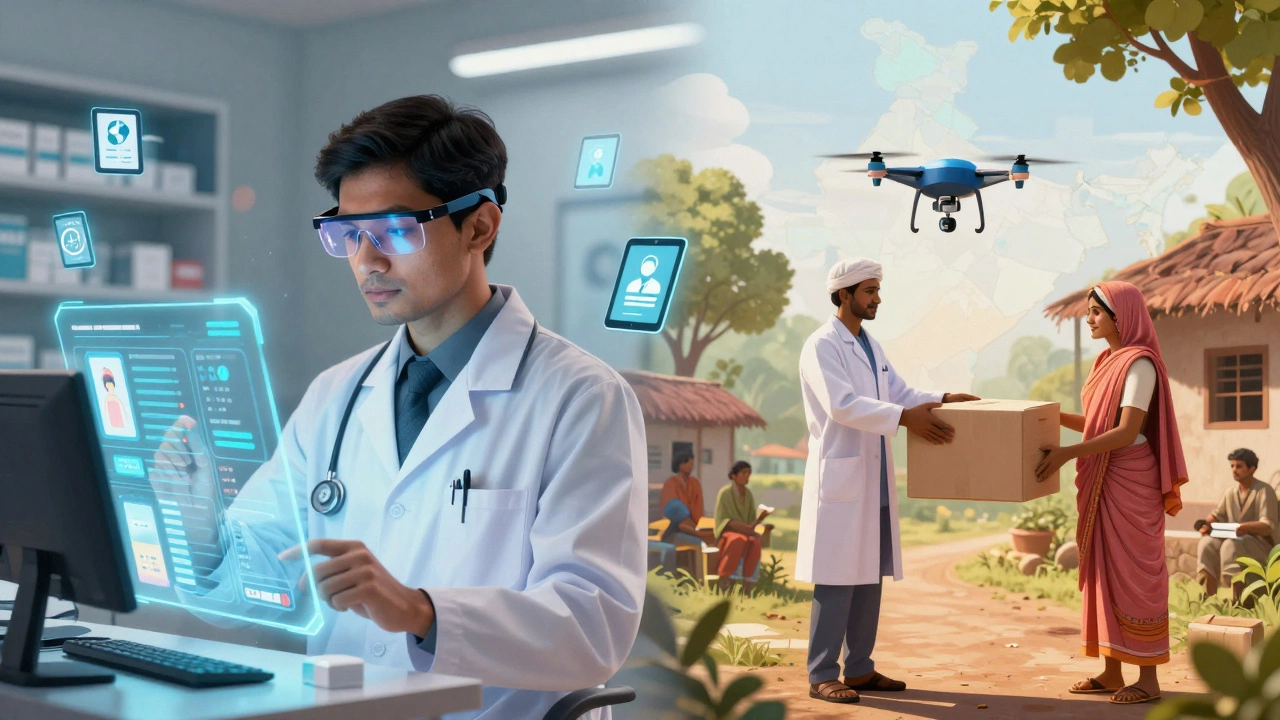
The pharmacy landscape isn't just about pills; it's about how patients access them. The digital transformation in India is accelerating rapidly. Telemedicine platforms have moved from a pandemic-era novelty to a standard part of healthcare delivery. This shift impacts pharmacies directly. Pharmacists are evolving from mere dispensers to health advisors who manage chronic conditions remotely.
Electronic prescriptions (e-prescriptions) are gaining traction, especially in urban centers. This creates a seamless loop between doctors, hospitals, and retail pharmacies. Data analytics allow pharmacies to predict demand more accurately, reducing stockouts of essential medicines. Furthermore, blockchain technology is being piloted to track drug authenticity, combating the issue of counterfeit medicines that still plagues informal markets.
However, the rural challenge remains. While cities enjoy app-based medicine delivery, millions in rural India still rely on local chemists who may lack training or inventory depth. The future lies in hybrid models where digital platforms empower rural pharmacists with better supply chain links and continuous education modules. Government initiatives like Ayushman Bharat Digital Mission are laying the groundwork for a unified health ID system, which will eventually enable personalized medication management across the country.
Regulatory Hurdles and Global Trust
You cannot talk about the future without addressing the elephant in the room: regulation. The Indian pharmaceutical industry has faced scrutiny from foreign regulators, particularly the US FDA. Observations and warning letters have been common issues for many manufacturers. To survive and thrive, Indian companies must adopt a culture of quality that goes beyond compliance.
The Central Drugs Standard Control Organization (CDSCO) is strengthening its oversight. There is a push towards aligning Indian regulations with the International Council for Harmonisation (ICH) guidelines. This alignment is vital because it signals to global partners that Indian-made drugs meet the highest international standards. It also helps in speeding up approvals for new products within India.
Transparency is key. Companies that invest in robust quality management systems and transparent reporting are winning trust. Those that cut corners face severe consequences, including bans from lucrative markets. The future belongs to those who view regulation not as a hurdle, but as a competitive advantage that filters out unreliable competitors.
Sustainability and Green Chemistry
Environmental concerns are reshaping manufacturing practices. The pharma industry is a significant contributor to water pollution and chemical waste. In 2026, sustainability is no longer optional; it is a business imperative. Investors and buyers are demanding green credentials.
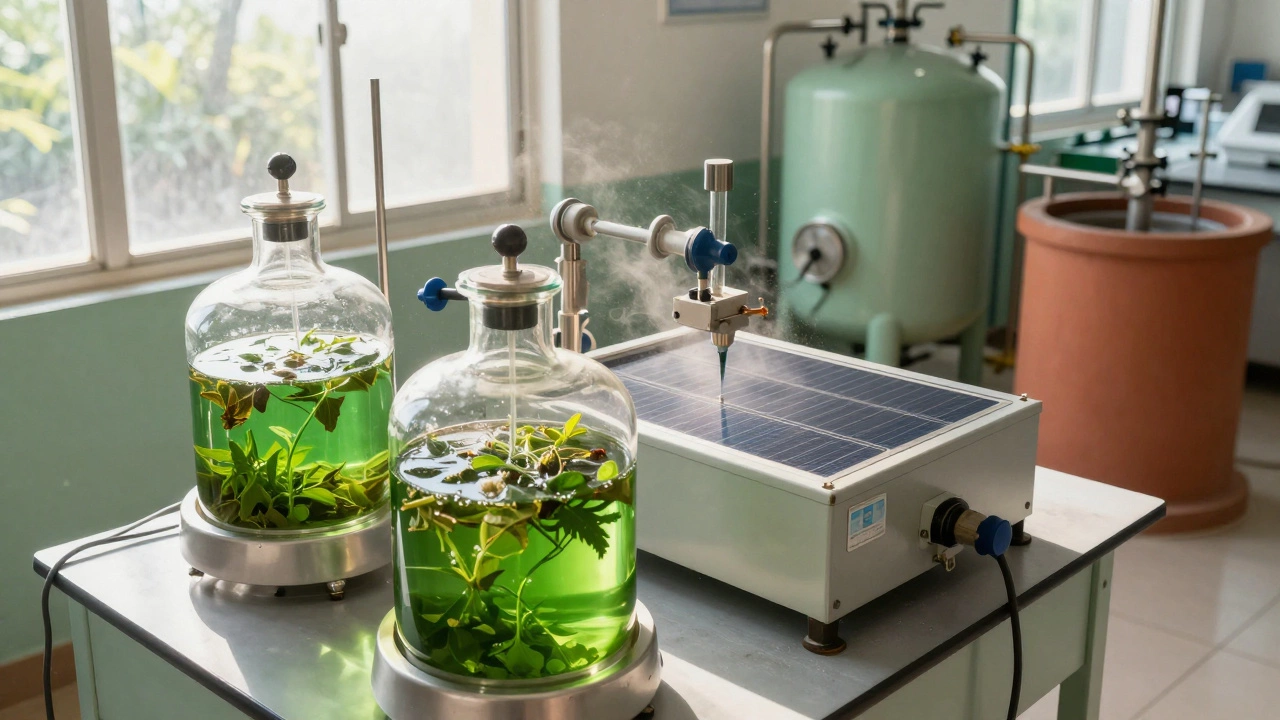
Indian manufacturers are increasingly adopting green chemistry principles. This involves designing products and processes that reduce or eliminate the use and generation of hazardous substances. Techniques like solvent recycling, energy-efficient drying methods, and zero-liquid discharge systems are becoming standard in new facilities. Companies that fail to address their environmental footprint risk losing export licenses and facing social backlash domestically.
This shift also opens up new opportunities. There is growing demand for eco-friendly packaging and sustainable sourcing of raw materials. Startups focused on biodegradable drug delivery systems and natural product extraction are attracting venture capital. The intersection of ecology and pharmacology is a fertile ground for innovation.
Conclusion: A Maturing Giant
The future of pharmacy in India is bright but demanding. It requires moving up the value chain, embracing technology, and maintaining unwavering quality standards. The days of relying solely on price competitiveness are over. Success will come from innovation, reliability, and global integration. For stakeholders, the message is clear: adapt or get left behind. The potential is enormous, but only for those willing to play the long game with integrity and excellence.
What are the biggest challenges for Indian pharma companies in 2026?
The primary challenges include navigating stringent regulatory requirements from agencies like the US FDA, reducing dependence on Chinese APIs, and increasing R&D investment to move beyond generics into innovative drugs. Additionally, rising operational costs and the need for sustainable manufacturing practices pose significant hurdles.
How is digitalization changing the role of pharmacists in India?
Digitalization is transforming pharmacists from simple dispensers into healthcare providers. Through telemedicine integration and e-prescriptions, pharmacists now manage patient data, offer remote consultations, and provide personalized medication advice, enhancing overall patient care outcomes.
Will India become self-sufficient in API manufacturing?
While complete self-sufficiency is a long-term goal, India is making significant progress through government schemes like PLI and the development of specialized chemical clusters. The aim is to drastically reduce import dependency, though some complex intermediates may still be sourced globally for the foreseeable future.
What is the significance of biosimilars for the Indian pharma industry?
What is the significance of biosimilars for the Indian pharma industry?
Biosimilars represent a high-growth segment as patents for expensive biologic drugs expire. They offer affordable alternatives to patients while providing higher profit margins for manufacturers compared to traditional generics, helping Indian companies diversify their portfolios and enter premium markets.
How does sustainability impact pharma manufacturing in India?
Sustainability is critical for maintaining export licenses and brand reputation. Adopting green chemistry and waste management solutions helps companies comply with international environmental standards, attract ethical investors, and reduce long-term operational costs associated with pollution control.