Manufacturing Sector Profitability Analyzer
Select Manufacturing Sector
Choose a manufacturing sector to analyze its profitability potential, capital requirements, and risk profile.
Pharmaceutical Manufacturing
High Margin
Medicines, vaccines, therapeutic compounds
Semiconductor Fabrication
Very High Growth
Microchips, integrated circuits, electronics
Aerospace Components
Stable Contracts
Turbine blades, avionics, composite structures
Specialty Chemicals
Innovation Driven
Advanced materials, coatings, formulations
Furniture Manufacturing
Lower Entry
Custom furniture, wood products, upholstery
Sector Analysis Results
Select a sector and click "Analyze" to see detailed profitability metrics and insights.
Comparative Analysis Across All Sectors
| Sector | Net Margin Range | Capital Intensity | Regulatory Hurdle | Growth Potential | Risk Level |
|---|
The Reality of High-Income Ownership
When you ask what the highest-paid business to own is, you are really asking two things: which industries generate the most cash flow, and which ones allow the owner to keep the largest share of that profit. There is no single magic number because revenue does not equal income. A massive retail chain might make billions in sales but leave the owner with thin margins after overheads. Conversely, a specialized niche operation can generate modest revenue with exceptional net profit.
In 2026, the landscape has shifted significantly. The era of low-cost, unskilled labor arbitrage is largely over due to automation and rising global wages. Today, the highest-paid businesses are those that combine manufacturing business ideas with intellectual property, regulatory barriers, or critical infrastructure needs. If you want top-tier returns, you need to look at sectors where competition is limited by complexity, capital requirements, or technical expertise.
Pharmaceutical and Biotech Manufacturing
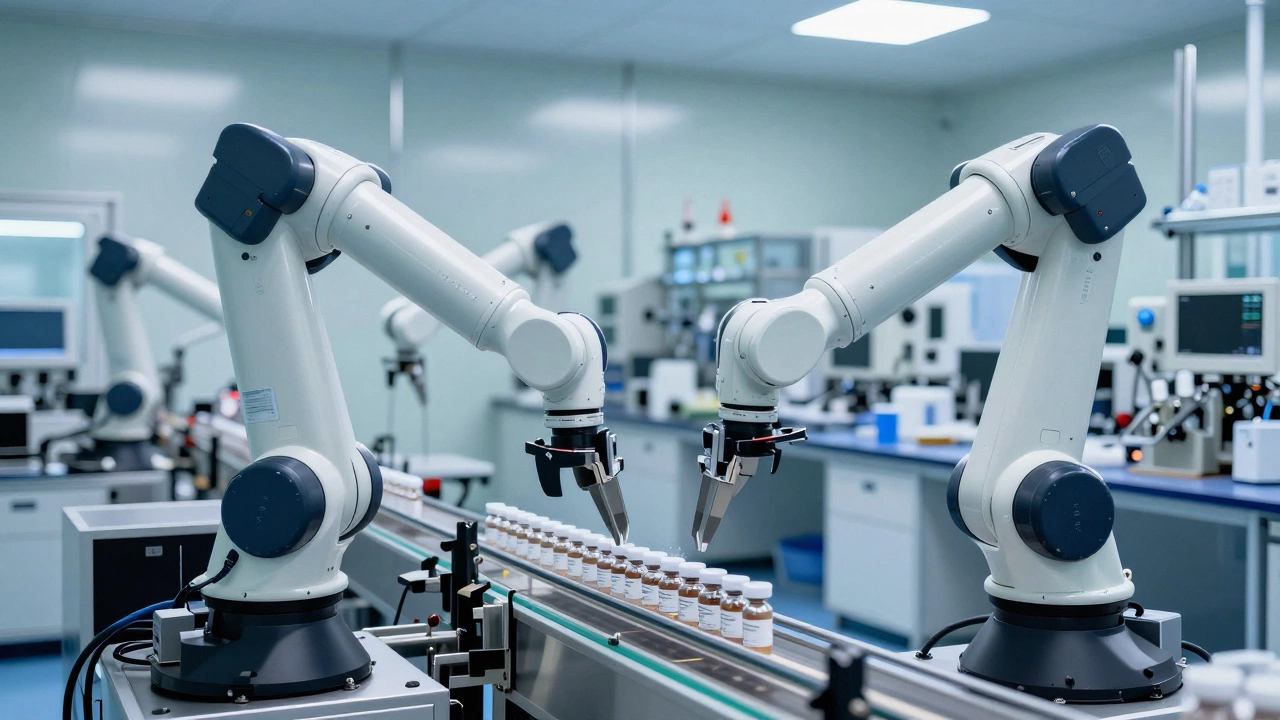
Pharmaceutical Manufacturing is the production of medicines, vaccines, and therapeutic compounds for human use. This sector remains one of the most lucrative ownership opportunities globally. Why? Because the barrier to entry is incredibly high. You cannot simply start a pharma company in your garage; you need FDA approvals, sterile facilities, and rigorous quality control protocols.
For an owner, this translates into protected market share. Once a drug or medical device is approved, competitors cannot easily replicate it without significant time and investment. Generic pharmaceutical manufacturing offers steady, lower-margin volume, while specialty biotech manufacturing commands premium pricing. Owners in this space often see profit margins exceeding 30-40% on proprietary products. However, the risk is also high-regulatory failures can wipe out years of investment overnight.
Semiconductor and Electronics Component Fabrication
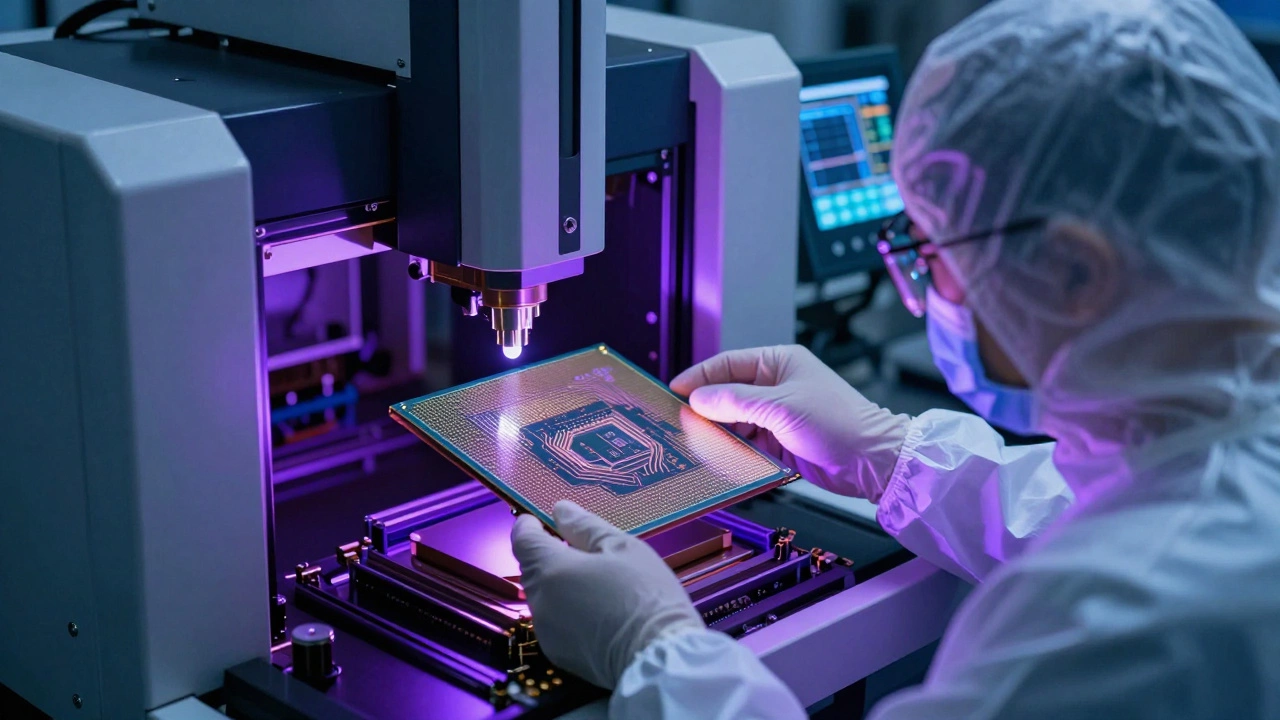
Semiconductor Manufacturing is the process of creating integrated circuits and microchips used in virtually all modern electronics. As the backbone of AI, automotive systems, and consumer devices, this industry has seen unprecedented demand growth through 2025 and into 2026.
Owning a facility that produces advanced logic chips or power semiconductors is arguably the highest-paid industrial venture available today. Governments worldwide are subsidizing these plants heavily to secure supply chains. For private owners, the key is specialization. Rather than competing with giants like TSMC or Intel on cutting-edge nodes, many successful mid-sized manufacturers focus on mature-node chips for automotive sensors, IoT devices, or industrial controls. These operations require less R&D spending but still command robust margins due to chronic supply shortages.
Precision Aerospace and Defense Components
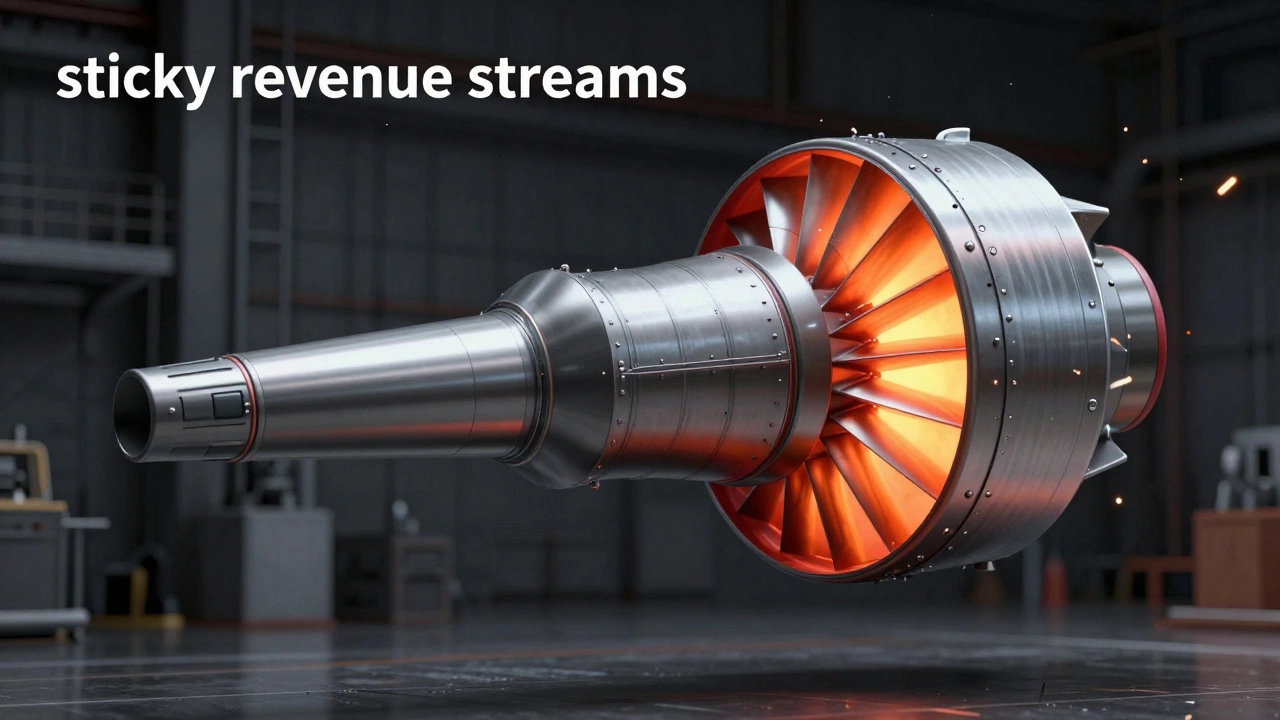
Aerospace manufacturing sits at the intersection of extreme engineering and long-term contracts. Companies that produce turbine blades, avionics components, or composite structures for commercial and military aircraft enjoy sticky revenue streams. Contracts often span decades, providing predictable cash flows that allow owners to plan expansions confidently.
The profitability here comes from complexity. You are not selling commodity parts; you are selling certified reliability. An engine component must withstand thousands of hours of stress without failure. This requirement creates a moat around your business. New entrants struggle to gain certification, allowing established owners to maintain high prices. In 2026, with the resurgence of defense spending and the push for sustainable aviation fuels, demand for lightweight, high-strength materials continues to rise.
Specialty Chemicals and Advanced Materials
Chemical Manufacturing is the industrial production of substances through chemical reactions, including polymers, fertilizers, and specialty compounds. While bulk chemicals are a low-margin game of scale, specialty chemicals tell a different story.
Think about the coatings that protect solar panels, the electrolytes inside electric vehicle batteries, or the adhesives used in smartphone assembly. These are high-value inputs with small volumes but massive markups. Owners who develop unique formulations or secure exclusive partnerships with large OEMs (Original Equipment Manufacturers) can achieve some of the highest EBITDA margins in industry-often above 25%. The secret is innovation. You are selling performance, not just material.
Comparison of High-Margin Manufacturing Sectors
| Sector | Avg. Net Margin | Capital Intensity | Regulatory Hurdle | Growth Potential (2026) |
|---|---|---|---|---|
| Pharmaceuticals | 25-40% | Very High | Extreme | High |
| Semiconductors | 20-35% | Very High | High | Very High |
| Aerospace Components | 15-25% | High | High | Moderate-High |
| Specialty Chemicals | 20-30% | Medium-High | Medium | High |
| Furniture Manufacturing | 8-12% | Low-Medium | Low | Stable |
Why Service-Based Tech Businesses Often Pay More
While manufacturing dominates heavy industry, it is worth noting that the absolute highest personal incomes often come from software-as-a-service (SaaS) or digital platforms. These businesses have near-zero marginal costs for replication. However, if we stick to tangible manufacturing business ideas, the physical constraints limit scalability but increase defensibility. You cannot hack a factory floor as easily as you can copy code. This physical reality provides job security and asset value that pure digital ventures lack.
Key Factors That Determine Owner Income
It is not enough to pick a hot industry. Your personal take-home pay depends on how you structure the business. Here are the critical levers:
- Vertical Integration: Do you control the raw materials? Owning the supply chain captures more margin.
- Automation Level: High automation reduces labor costs but increases upfront capital. The sweet spot is where robots handle precision tasks while humans manage oversight.
- Customer Concentration: Relying on one big client is risky. Diversified customer bases allow you to negotiate better terms.
- Geographic Arbitrage: Producing in regions with lower energy and labor costs while selling globally boosts profits.
Risks Every Owner Must Manage
High reward comes with high risk. In manufacturing, operational disruptions can be costly. Supply chain shocks, such as those seen during recent global events, can halt production instantly. Energy price volatility directly impacts bottom lines, especially for metal and chemical processors. Additionally, environmental regulations are tightening across Europe and North America. Owners must invest in sustainable practices not just for compliance, but to avoid future stranded assets.
How to Enter These Markets
You rarely start a semiconductor plant from scratch unless you have billions. Most successful owners enter via acquisition. Buy an existing, profitable middle-market manufacturer, improve its efficiency, add new product lines, and grow organically. Private equity firms do this constantly, but individual entrepreneurs can too with proper financing. Look for "boring" businesses with strong cash flows that lack modern management or technology. Injecting digital tools into traditional manufacturing is one of the fastest ways to boost margins.
Conclusion: Defining Your Path
The highest-paid business to own is not defined by industry alone, but by your ability to create value within it. For manufacturing, this means mastering complexity, navigating regulation, and leveraging technology. Whether you choose pharmaceuticals, semiconductors, or specialty chemicals, success requires deep domain knowledge and strategic patience. Start by identifying a niche where you have expertise or access to capital, then build a team that complements your skills.
What is the most profitable manufacturing business to start?
The most profitable options are typically specialty chemicals, pharmaceutical components, and semiconductor fabrication. These sectors offer high margins due to technical barriers and regulatory protections. However, they require significant capital and expertise.
Can I start a high-income manufacturing business with low capital?
It is difficult. High-income manufacturing usually requires substantial upfront investment in equipment and compliance. Low-capital options like furniture or basic textiles tend to have lower margins and higher competition. Consider contract manufacturing or niche custom parts as a starting point.
Which manufacturing sector has the best growth potential in 2026?
Semiconductor and electronics manufacturing, particularly for EV components and AI hardware, shows the strongest growth. Renewable energy-related manufacturing, such as battery cells and solar panel coatings, is also expanding rapidly.
How much money do owners of pharmaceutical companies make?
Income varies widely based on company size. Small generic manufacturers might yield six-figure annual salaries for owners, while large proprietary drug developers can generate millions in dividends and stock appreciation. Margins often exceed 30%.
Is aerospace manufacturing a good investment?
Yes, due to long-term government and commercial contracts. It offers stability and steady cash flow. However, entry barriers are high due to strict certification requirements and the need for specialized engineering talent.