- Top 2 Manufacturing Businesses to Watch in 2025 Oct 18, 2025
- Global Giants in Manufacturing: Leaders Shaping the Future Feb 2, 2025
- Who Makes the Best Furniture in the World? Top Manufacturers in India and Beyond Dec 4, 2025
- Understanding the Dynamics of Small Scale Production Processes Jan 7, 2025
- Top Countries Leading in Electronics Manufacturing: India and Beyond Dec 3, 2024
Vehicle Registration India: Rules, Process, and What You Need to Know
When you buy a new car or bike in India, vehicle registration, the legal process of recording your vehicle with government authorities to prove ownership and compliance. Also known as RTO registration, it’s not optional—it’s the first step before you can legally drive on Indian roads. Without a valid Registration Certificate (RC), you’re breaking the law, even if your insurance is up to date. Every vehicle, from a Tata Nano to a Mahindra Thar, must be registered with the Regional Transport Office (RTO), the government body responsible for vehicle licensing, taxation, and documentation in each state. The RTO issues your RC book, assigns a unique license plate, and links your vehicle to your identity in a national database.
Registration isn’t just about getting a number plate. It involves inspections, paying road tax, submitting proof of address, and verifying your vehicle’s chassis and engine numbers. The process varies slightly between states—some handle it online, others require in-person visits. For example, in Maharashtra, you might get your plate the same day, while in Uttar Pradesh, delays can stretch to weeks if paperwork is incomplete. You also need to know the difference between temporary and permanent registration. Temporary permits last 30 days and are for new vehicles moving from the factory to the RTO. Permanent registration is what you keep for life, unless you move states or sell the vehicle.
Renewals matter too. After 15 years, you must re-register your vehicle and pass a fitness test. Many owners don’t realize this step is mandatory—thinking once registered, it’s done forever. But the RTO requires proof your brakes, lights, emissions, and structure are still safe. If you’re importing a used car or buying a second-hand vehicle, the transfer process adds more steps: NOC from the previous RTO, Form 29 and 30, and fresh insurance. Even small mistakes—like a mismatched signature or expired insurance—can stall everything for weeks.
And it’s not just cars. Two-wheelers, commercial trucks, and even electric scooters follow the same rules. The government is pushing digital RCs through the DigiLocker app, but paper copies are still widely accepted. If you’re relocating to a new state, you’ll need to re-register your vehicle there within 12 months—or risk fines. The RC book, the official document proving legal ownership and registration status of a vehicle in India. is your most important piece of paperwork. Keep it safe. Lose it, and you’ll spend days getting a duplicate, paying fees, and filling forms.
What you’ll find below are real, up-to-date guides on how vehicle registration works across India. From how to check your RC status online to what happens if you skip the fitness test, these posts cut through the confusion. You’ll see what documents actually work, which RTOs are faster, and how to avoid the traps that cost people time and money. No theory. No fluff. Just what you need to get registered, renew, or transfer your vehicle without headaches.
Automobile Manufacturing
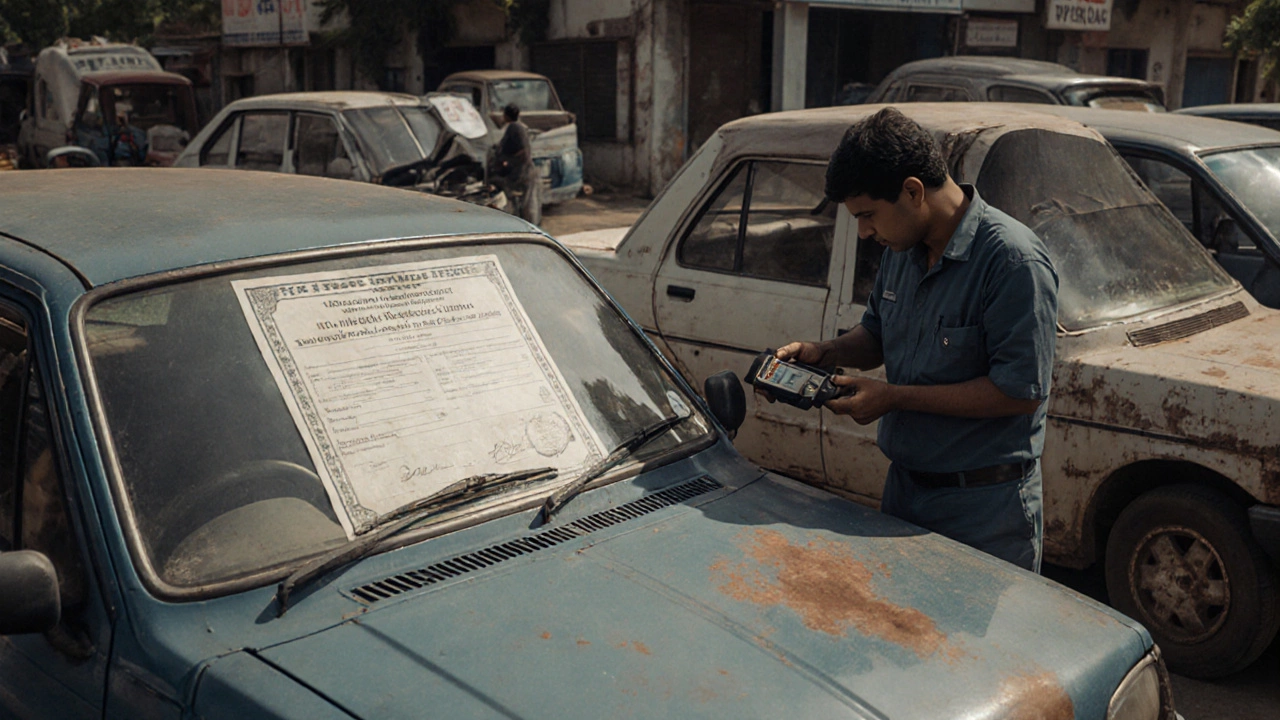
What Is the 15-Year Car Rule in India? Everything You Need to Know
- Aarav Sekhar
- Oct 30, 2025
The 15-year car rule in India requires vehicles over 15 years old to pass a fitness test to remain on the road. Learn how it works, what happens if you fail, and your options for scrapping or upgrading.