- Who Was the Richest Man in the Steel Industry? Andrew Carnegie and the Titans of Steel Mar 24, 2026
- What Is a Small Manufacturer? Definition, Examples, and How They Operate Jan 6, 2026
- Affordable Wood Options for Furniture Makers in India Dec 16, 2024
- Steel Production: Which US City Takes the Crown? Jun 12, 2025
- Top 3 Alternative Names for Food Processing Units (CPUs) Feb 24, 2025
Plastic Resins: What They Are, How They’re Used, and Why They Matter
When you think of plastic, you probably picture bottles, bags, or phone cases. But behind every one of those items is something less visible but far more fundamental: plastic resins, the raw, unprocessed polymer materials that form the base of all synthetic plastics. Also known as polymer resins, these are the molecular building blocks that get melted, molded, and shaped into the products we rely on every day. Without plastic resins, there would be no lightweight car parts, no durable medical devices, no energy-efficient insulation, and no affordable packaging for food and medicine.
Not all plastic resins are the same. Some, like polyethylene, a flexible, low-cost thermoplastic used in grocery bags and milk jugs, are made from ethylene gas and are among the most common. Others, like polypropylene, a tougher, heat-resistant resin used in automotive parts and food containers, can handle higher temperatures and repeated use. Then there’s PVC, a rigid or flexible resin used in pipes, cables, and vinyl flooring. Each type has a unique chemical structure that determines its strength, flexibility, melting point, and recyclability. These differences matter because manufacturers choose resins based on what the final product needs to do—whether it’s surviving a car crash, keeping food fresh for weeks, or resisting UV damage outdoors.
India’s manufacturing growth is tied directly to how well local industries access and use these resins. From auto parts made by Tata and Mahindra to packaging for food exports, plastic resins are the hidden backbone. Companies that understand resin properties—like which ones bond well with additives, which are easiest to recycle, or which meet international safety standards—gain real advantages in cost, speed, and sustainability. The biggest plastic producers in the world, like ExxonMobil and BASF, don’t just sell finished goods—they sell resins to factories that turn them into something else. And in India, where the plastic resins market is expanding fast, knowing which resins work for which applications isn’t just technical knowledge—it’s a business edge.
You’ll find posts here that dig into how these resins are made, who the top global suppliers are, how they’re used in everything from cars to food containers, and why recycling alone won’t solve the plastic problem. Whether you’re in manufacturing, sourcing, or just curious about what’s in the stuff around you, this collection gives you the facts without the fluff.
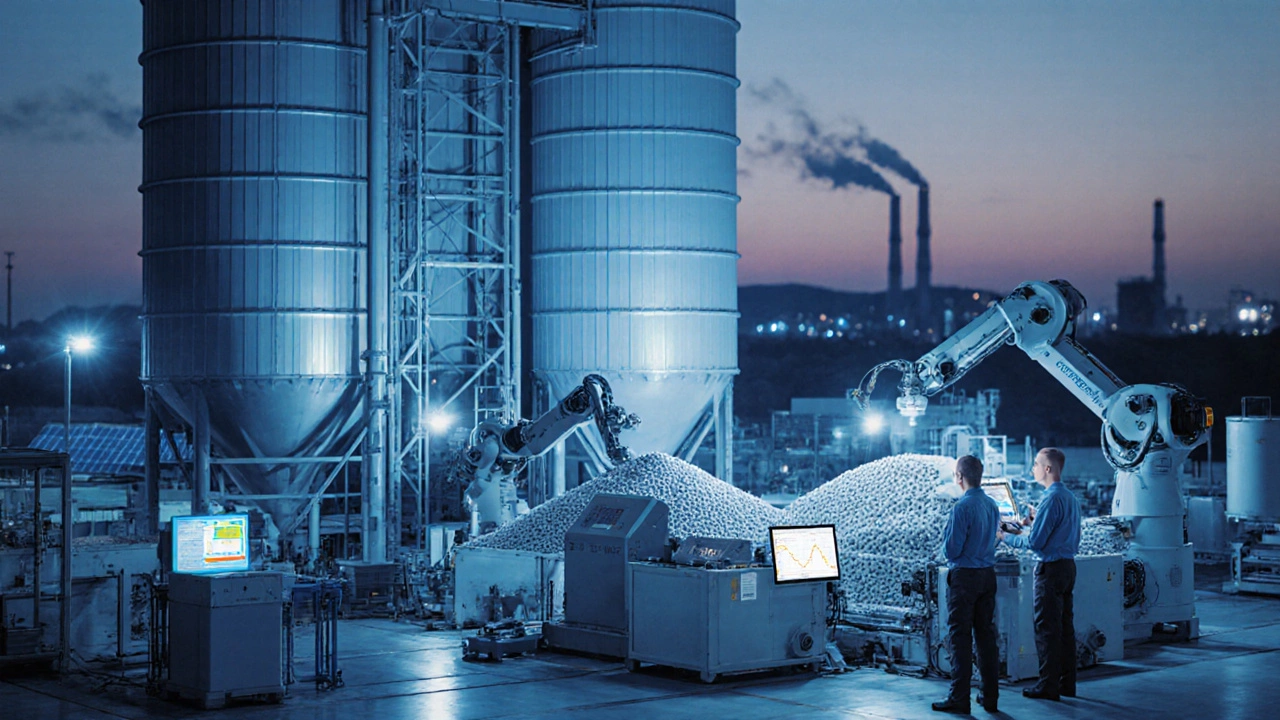
Plastic Manufacturing
Best Plastic Manufacturing Companies in 2025
- Aarav Sekhar
- Nov 8, 2025
There's no single best plastic company-quality depends on the type of plastic and your application. Learn who leads in HDPE, PET, PP, medical silicone, and bioplastics in 2025, and how to pick the right supplier for your needs.