- What Are the Three Pillars of Manufacturing? Understanding the Foundation of Modern Production Dec 1, 2025
- Affordable Wood Options for Furniture Makers in India Dec 16, 2024
- Understanding the Dynamics of Small Scale Production Processes Jan 7, 2025
- Top Manufacturing Businesses: Automotive and Electronics Industry Insights Jul 21, 2025
- Top Small Scale Manufacturing Business Trends in 2024 Dec 4, 2024
Metal Strength: Understanding What Keeps Metals Holding Up
When working with metal strength, the ability of a metal to resist deformation or fracture under load. Also known as mechanical strength, it is a core metric for engineers designing anything from bridges to smartphone frames. A key driver of metal strength is tensile strength, the maximum stress a material can endure while being pulled before it breaks. Equally important is alloy composition, the mix of elements added to a base metal to improve its properties, and the way a piece is heat‑treated, subjected to controlled heating and cooling cycles to alter its micro‑structure. Finally, fatigue resistance, the ability to withstand repeated loading cycles without cracking rounds out the picture.
Key Factors Shaping Metal Strength
Metal strength is more than a single number; it’s a set of interlinked characteristics. First, tensile strength determines a component’s load capacity – the higher the tensile value, the more pulling force the part can bear. Second, alloy composition influences metal strength by introducing elements like carbon, chromium or nickel that form stronger crystal structures. Third, heat treatment enhances metal strength through processes such as quenching, tempering or annealing, each tweaking hardness and ductility. Fourth, fatigue resistance decides whether a part will survive millions of stress cycles, a crucial factor for rotating shafts or aircraft skins. These relationships form a clear chain: alloy composition influences tensile strength, heat treatment modifies both tensile strength and fatigue resistance, and together they define overall metal strength.
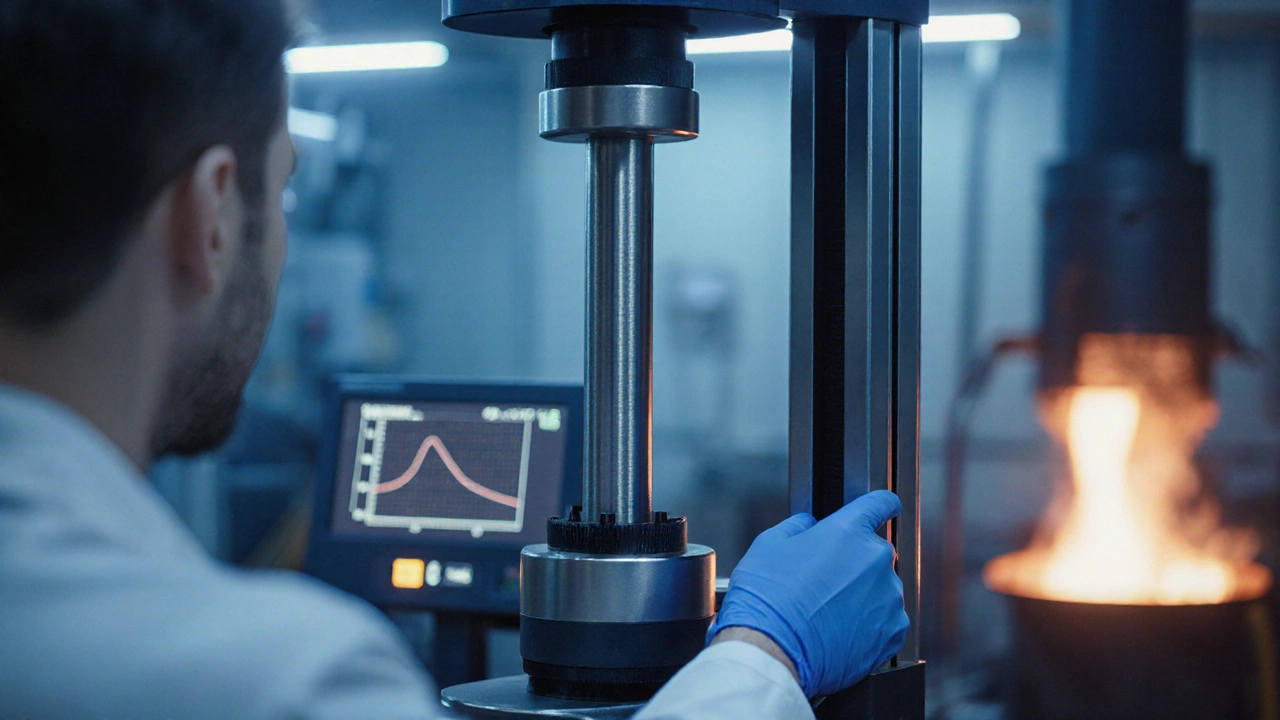
In practice, engineers use a handful of standard tests to quantify these attributes. Tensile testing pulls a specimen until it breaks, yielding a stress‑strain curve that reveals ultimate tensile strength, yield strength and elongation. Hardness tests like Rockwell or Vickers give a quick proxy for strength by measuring surface indentation resistance. Fatigue testing cycles a sample under controlled loads to pinpoint the endurance limit. By combining test data with knowledge of alloy chemistry and heat‑treatment history, designers can predict how a metal will perform in real‑world conditions.
The relevance of metal strength spans almost every manufacturing sector. Automotive makers rely on high‑strength steels to meet safety standards while keeping weight low, which directly improves fuel efficiency. Aerospace firms select titanium alloys with exceptional fatigue resistance for engine components that endure extreme temperatures and repeated stress. In construction, steel rebar and structural beams must carry massive loads, so engineers specify grades with proven tensile and yield strengths. Even consumer electronics benefit from improved metal strength, allowing thinner frames without sacrificing durability. Across these industries, the same core entities—tensile strength, alloy composition, heat treatment, and fatigue resistance—drive material selection and product design.
Understanding metal strength isn’t just for specialists; anyone involved in product development, quality control or procurement can benefit from a clear grasp of these basics. When you know how alloy tweaks, heat‑treatment cycles, and testing results translate into real‑world performance, you can make smarter choices, reduce material waste and avoid costly redesigns. Below you’ll find a curated set of articles that dive deeper into each of these topics, showcase real‑world case studies, and offer practical tips for applying metal‑strength principles in your own projects.
Steel Manufacturing
Which Metal Is the Strongest on Earth? - Facts for Steel Makers
- Aarav Sekhar
- Oct 15, 2025
Discover which metal truly tops the strength charts, how tensile and hardness are measured, and why the answer matters for steel plants.