- What Are the Three Pillars of Manufacturing? Understanding the Foundation of Modern Production Dec 1, 2025
- India's Electronics Hub: Exploring the Capital of Innovation Apr 10, 2025
- How to Start a Small Scale Industry Successfully Mar 31, 2025
- Top Profitable Manufacturing Startup Ideas in 2025 Jan 16, 2025
- Top Manufacturing Business Opportunities to Thrive in 2025 Jan 1, 2025
Local Production: Why Making Things Close to Home Matters in India
When you hear local production, the practice of making goods within the same country or region where they’re sold. Also known as domestic manufacturing, it means skipping long shipping routes, cutting middlemen, and keeping control in Indian hands. This isn’t just about patriotism—it’s about smarter business. India’s factories aren’t just building products; they’re building resilience. When a company like Honda, a global automaker that manufactures its own engines in Greater Noida makes engines right here, it doesn’t just save money—it ensures quality, speeds up repairs, and supports thousands of local jobs. Same goes for Tata, a major Indian automotive and industrial group that designs and builds vehicles locally for global markets. Their cars aren’t just sold in India—they’re shipped overseas, because being made here gives them an edge.
Local production isn’t just for cars. The new India textile policy, a government plan to boost textile exports to $100 billion by 2030 using cash incentives and new manufacturing parks is pushing small factories to make more fabric, stitching, and garments right here. Why? Because importing fabric from China or Bangladesh adds cost, delays, and risk. When you make it in Tamil Nadu or Uttar Pradesh, you know exactly when it’s done, how it’s made, and who’s paid fairly. Even food processing is shifting—factories in Punjab and Maharashtra are turning fresh produce into packaged snacks faster, fresher, and cheaper than shipping it abroad and bringing it back. This isn’t theory. It’s happening in real factories, with real results.
What makes local production powerful is how it connects everything: the farmer, the factory worker, the engineer, the truck driver, and the customer. When you buy a fully made-in-India car, a vehicle designed, assembled, and sourced entirely within India’s supply chain, you’re not just getting a car—you’re supporting an entire ecosystem. The steel comes from Odisha, the electronics from Bengaluru, the tires from Chennai, and the final assembly from Gujarat. No middleman. No customs delays. No hidden costs. And that’s why the government, investors, and consumers are all pushing for more of it. The posts below show you exactly how this works—from the biggest auto plants to the smallest plastic molders. You’ll see who’s winning, who’s falling behind, and how you can benefit whether you’re a business owner, a worker, or just someone who cares where things come from.
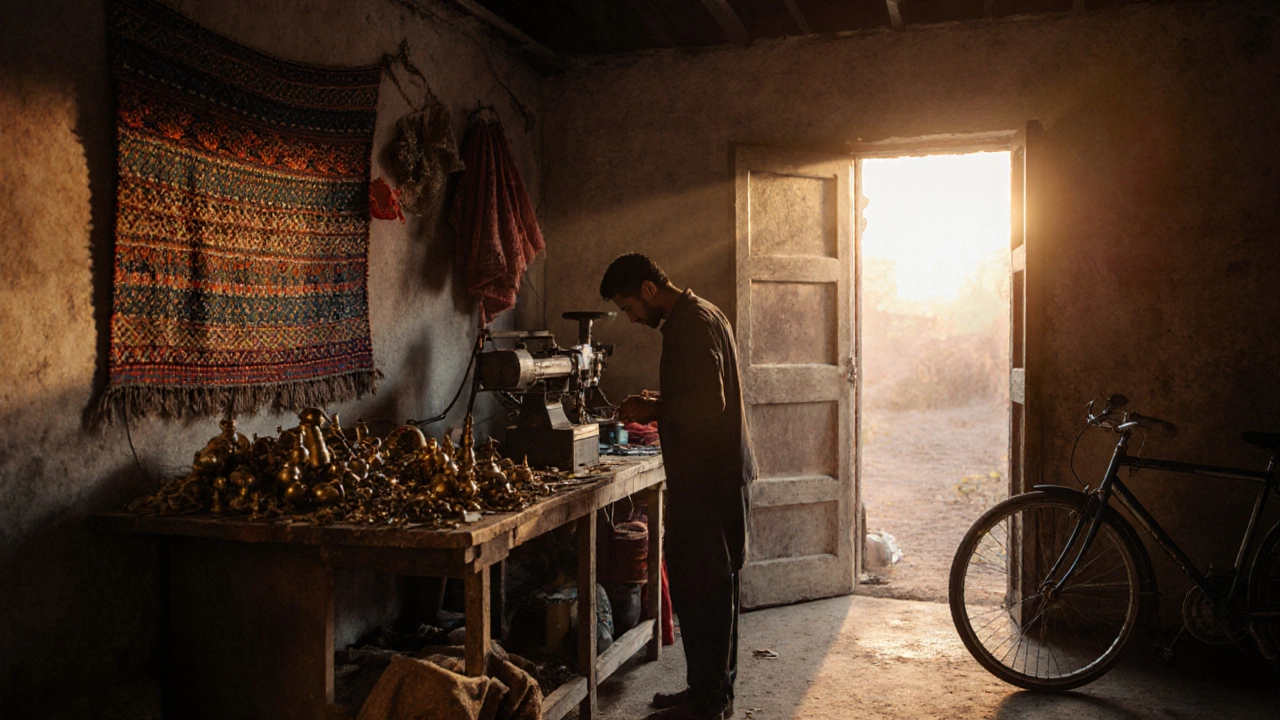
Small Scale Manufacturing
What Are the Advantages of Small Scale Industries?
- Aarav Sekhar
- Nov 20, 2025
Small scale industries offer lower costs, faster adaptation, local job creation, and environmental benefits. They thrive on customization, resilience, and direct customer relationships-making them vital to modern economies.