- Fully Made-in-India Cars: Which Models Are 100% Manufactured Locally? Oct 16, 2025
- Where to Find the Cheapest Electronics: Best Countries for Tech Bargains Jul 6, 2025
- Steel Production: Which US City Takes the Crown? Jun 12, 2025
- King of Steel: Who Reigns Supreme in Steel Manufacturing? Mar 10, 2025
- Biggest Weaknesses of Small Scale Industry and How They Hold Back Growth Jun 24, 2025
Honda Motorcycle Engines: Power, Performance, and What Makes Them Stand Out
When you think of Honda motorcycle engines, reliable, high-efficiency internal combustion systems designed for two-wheelers. Also known as Honda power units, they are the heart of millions of bikes sold worldwide, from city commuters to off-road adventurers. Unlike many competitors that chase raw horsepower, Honda focuses on balance—smooth power delivery, low maintenance, and long life. That’s why riders in India, the U.S., and Southeast Asia keep coming back.
These engines aren’t just small versions of car engines. They’re engineered for vibration control, weight savings, and cooling efficiency in tight spaces. Most Honda motorcycle engines use a four-stroke design, a four-part cycle of intake, compression, power, and exhaust that maximizes fuel efficiency and reduces emissions, which is why they meet India’s BS6 norms without needing complex after-treatment systems. Compare that to older two-stroke engines, simpler but dirtier, used in older bikes and scooters, and you see why Honda’s approach lasts longer and costs less over time. The company’s VTEC and PGM-FI systems, found in higher-end models, adjust valve timing and fuel delivery on the fly—something most Indian brands still don’t offer.
What’s surprising is how many of these engines are made right here in India. Honda Motorcycle & Scooter India (HMSI) produces engines for the Activa, Shine, and CB300R right in their Greater Noida plant. These aren’t imported parts—they’re built for Indian roads, with dust resistance, high-temperature tolerance, and low-octane fuel compatibility built in. That’s why a 125cc Honda engine can run for 80,000 km with basic maintenance, while others start losing power at 40,000.
It’s not just about the engine alone. Honda ties its powertrains to transmission systems, fuel injection, and even frame design to make everything work as one. That’s why a Honda Shine feels so smooth, even when you’re stuck in Delhi traffic. No jerks. No stalls. Just steady, predictable power. That’s the difference between a component and a system.
Below, you’ll find real-world guides on how these engines fit into broader manufacturing trends—from what makes Indian-made bikes competitive globally, to how engine production scales from small workshops to high-tech plants. Whether you’re a rider curious about what’s under the seat, or someone looking to enter the manufacturing space, these posts give you the facts without the fluff.
Automobile Manufacturing
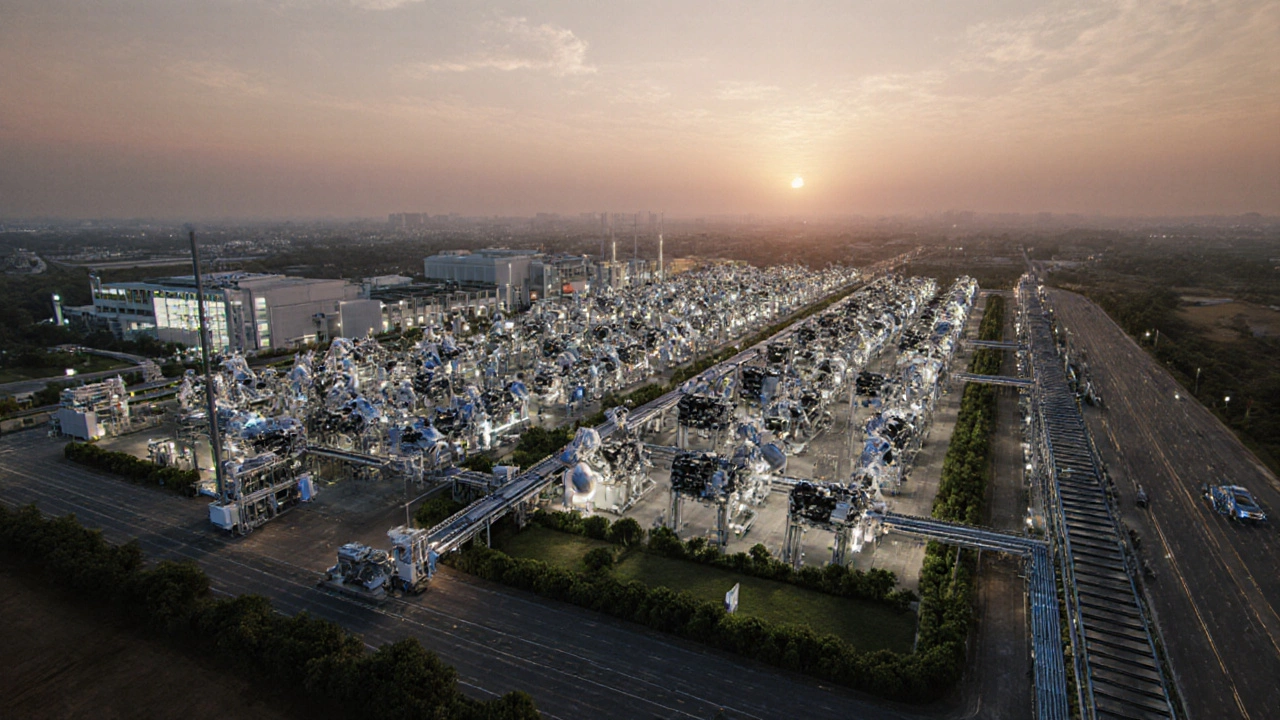
Who Makes Honda Engines in India? The Real Manufacturer Behind the Power
- Aarav Sekhar
- Nov 17, 2025
Honda engines in India are made locally by Honda's own subsidiaries in Greater Noida, not imported or outsourced. Discover how these engines are designed, built, and trusted across millions of vehicles.