- Why Is Chinese Steel Cheaper Than US Steel? May 12, 2025
- What Business Is Free to Start? Smart Ideas for Manufacturing Startups Apr 29, 2025
- Top Electronics That Are Shaping India's Market Nov 25, 2024
- Indian Textile Industry Collapse: What Really Happened and What It Means for Manufacturers Apr 23, 2025
- What Are the Advantages of Small Scale Industries? Nov 20, 2025
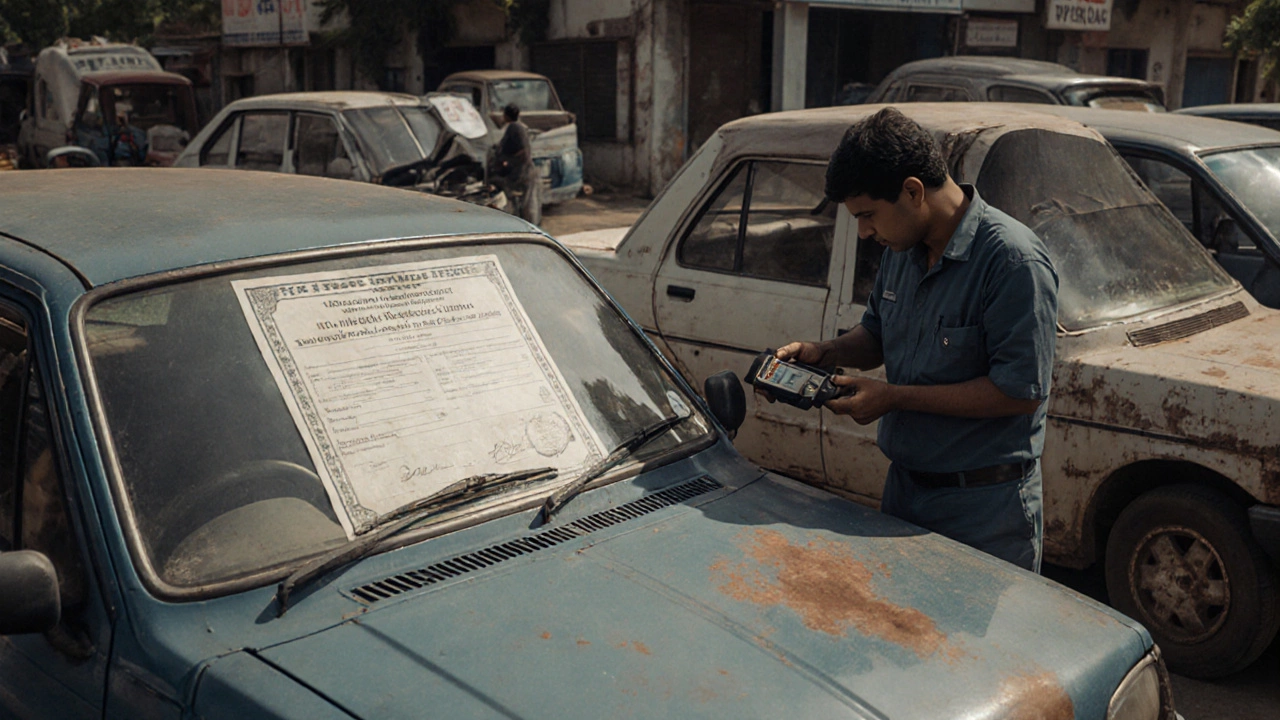
Car Retirement India: What Happens When Cars Reach Their End in India
When a car in India hits its final mile, it doesn’t just vanish—it enters the car retirement India, the formal process of decommissioning and recycling vehicles that are no longer roadworthy. Also known as end-of-life vehicle disposal, this system is evolving fast as India pushes for cleaner air, stricter emissions rules, and better recycling practices.
Most cars in India are retired after 15 to 20 years, especially in cities where pollution checks are strict. But here’s the catch: many older vehicles—especially diesel models—get sold to rural buyers instead of being scrapped. That’s why real car scrapping India, the official dismantling and recycling of vehicles through authorized centers is still catching up. Only a fraction of retired cars go through proper channels. The rest end up in junkyards, roadside piles, or are illegally stripped for parts. The government’s Vehicle Scrappage Policy, launched in 2021, is trying to fix this by offering incentives to trade in old cars for new ones. But adoption is slow because many owners don’t know where to go, or think it’s cheaper to keep driving a broken car.
What happens to the metal, plastic, and fluids after a car is officially retired? In proper Indian auto recycling, the process of recovering usable materials from decommissioned vehicles to reduce waste and raw material demand, over 85% of a car’s weight can be reused. Steel gets melted down for new construction. Rubber tires become road padding or fuel. Batteries are reconditioned or recycled for lithium and lead. Even fluids like engine oil get filtered and reused. But without strong enforcement and public awareness, most of this potential is wasted. That’s why the posts below dig into real cases—like how Tata and Mahindra are now offering buy-back programs, how scrapping centers in Pune and Chennai are scaling up, and why the used car market still thrives even as EVs rise.
You’ll find real data on which models get retired most often, how much money you can actually get for scrapping your old car, and what policies are changing the game. No fluff. Just what’s happening on the ground—and what you need to know before your next car hits its limit.
Automobile Manufacturing
What Is the 15-Year Car Rule in India? Everything You Need to Know
- Aarav Sekhar
- Oct 30, 2025
The 15-year car rule in India requires vehicles over 15 years old to pass a fitness test to remain on the road. Learn how it works, what happens if you fail, and your options for scrapping or upgrading.