India Semiconductor Maturity Tracker
Explore the different stages of chip production to see where India stands today versus its 2030 targets.
Status: Early Growth Phase
Packaging & Testing
Back-end process. Encasing chips and quality control.
Wafer Fabrication
Front-end process. Etching circuits onto silicon wafers.
Advanced Design (EDA)
Creating the architectural blueprints for chips.
Current Status: Packaging & Testing
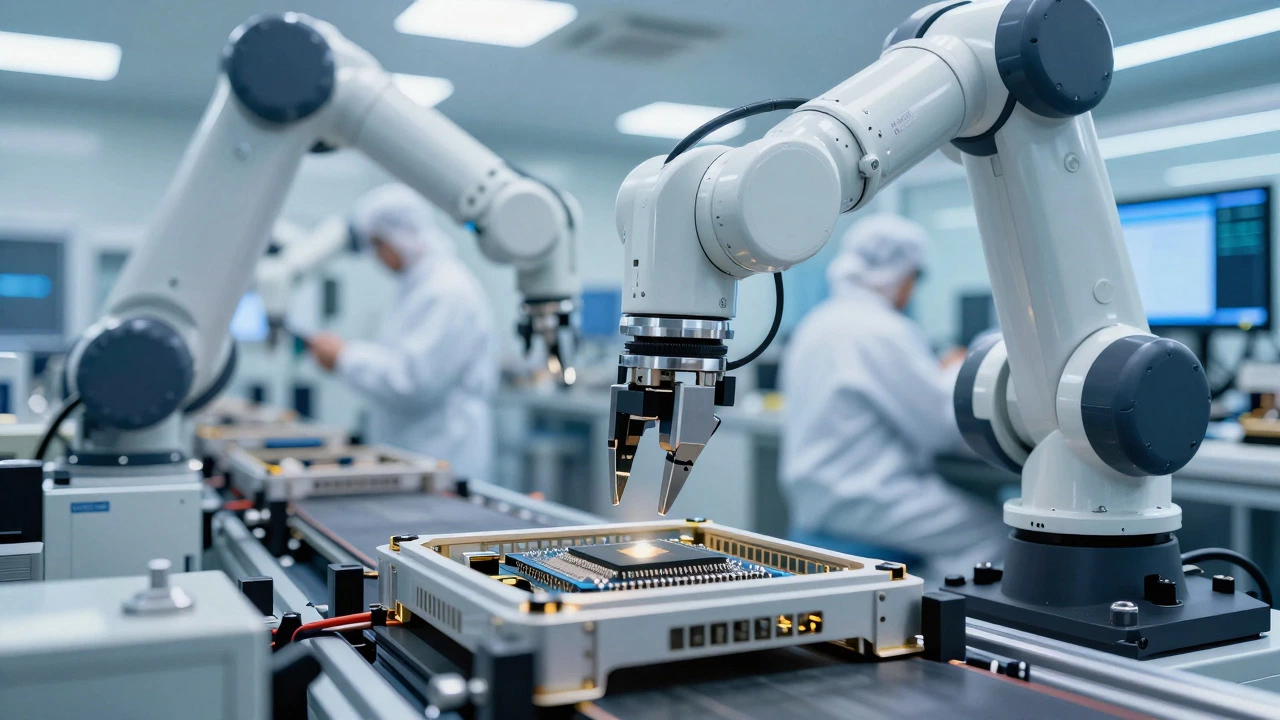
India is currently excelling in the back-end processes. This involves taking fabricated wafers from abroad, cutting them into individual dies, encasing them in protective materials, and testing for quality.
- Micron Technology: Operational facility in Dholera, Gujarat.
- Tata Electronics: Advanced packaging facility under construction.
- Impact: Reduces reliance on imports for finished components.
$10B+
Govt Incentives Approved
High
Job Creation Potential
Key Insight: A chip packaged in India functions exactly the same as one packaged in Singapore, but supports local infrastructure.
You might be wondering if the tiny chips inside your smartphone or laptop are actually manufactured in India. The short answer is yes, but with a major caveat. While India has successfully established facilities for packaging, testing, and assembly of semiconductors, it does not yet have operational plants for the most advanced stage of production: front-end wafer fabrication.
As of mid-2026, the landscape is shifting rapidly. Major global players have broken ground on massive projects, and the Indian government is pouring billions into infrastructure to support this transition. However, we are still in the early stages of building a fully integrated semiconductor ecosystem. Understanding where India stands requires looking at the specific types of manufacturing happening right now versus what is promised for the near future.
The Difference Between Packaging and Fabrication
To understand the current status, you need to distinguish between two main processes in semiconductor manufacturing. First, there is front-end fabrication, where silicon wafers are etched with microscopic circuits using complex lithography machines. This is the hardest part to master and requires billions of dollars in investment. Second, there is back-end packaging and testing, where those fabricated chips are encased in protective materials and tested for quality before being sold.
India currently excels in the back-end process. Companies like Micron Technology and Tata Electronics operate large-scale facilities that package memory chips and system-in-package (SiP) modules. These plants are crucial because they add significant value to the supply chain without requiring the ultra-clean rooms and extreme precision needed for wafer fabrication. For a consumer, a chip packaged in India functions exactly the same as one packaged in Singapore or Malaysia, but it helps reduce India's reliance on imports for finished electronic components.
Major Players Entering the Indian Market
The push for domestic production isn't just theoretical; it involves some of the biggest names in the tech industry. Micron Technology, a US-based giant, has been a pioneer. They set up their first facility in Gujarat in 2021, focusing on packaging and testing. By 2024, they announced plans to expand significantly, investing heavily in local talent and infrastructure. Their presence signals to other companies that India can handle high-volume, high-quality operations.
Then there is Tata Electronics. As part of the Tata Group, this company represents a homegrown effort to build capacity. They have partnered with Samsung and others to create an advanced packaging facility in Dholera, Gujarat. The goal here is not just to assemble phones but to produce complex system-level packages used in automotive and industrial applications. This move is strategic because it keeps more of the supply chain within the country.
Another key player is CG Power and Industrial Solutions, which has collaborated with STMicroelectronics. STMicro is a European leader in discrete semiconductors and power management chips. Their joint venture aims to manufacture power devices and sensors in Karnataka. This is particularly important for electric vehicles (EVs), which require robust power semiconductors. By targeting this niche, India avoids competing directly with giants like TSMC on cutting-edge logic chips initially, instead focusing on a growing market segment.
| Company | Location | Focus Area | Status (2026) |
|---|---|---|---|
| Micron Technology | Dholera, Gujarat | Packaging & Testing | Operational & Expanding |
| Tata Electronics | Dholera, Gujarat | Advanced Packaging | Construction Phase |
| CG Power & STMicro | Bengaluru, Karnataka | Power Devices & Sensors | Pre-production Setup |
| GlobalFoundries | Bengaluru, Karnataka | Wafer Fab (Legacy Nodes) | Announced / Planning |
The Role of Government Incentives
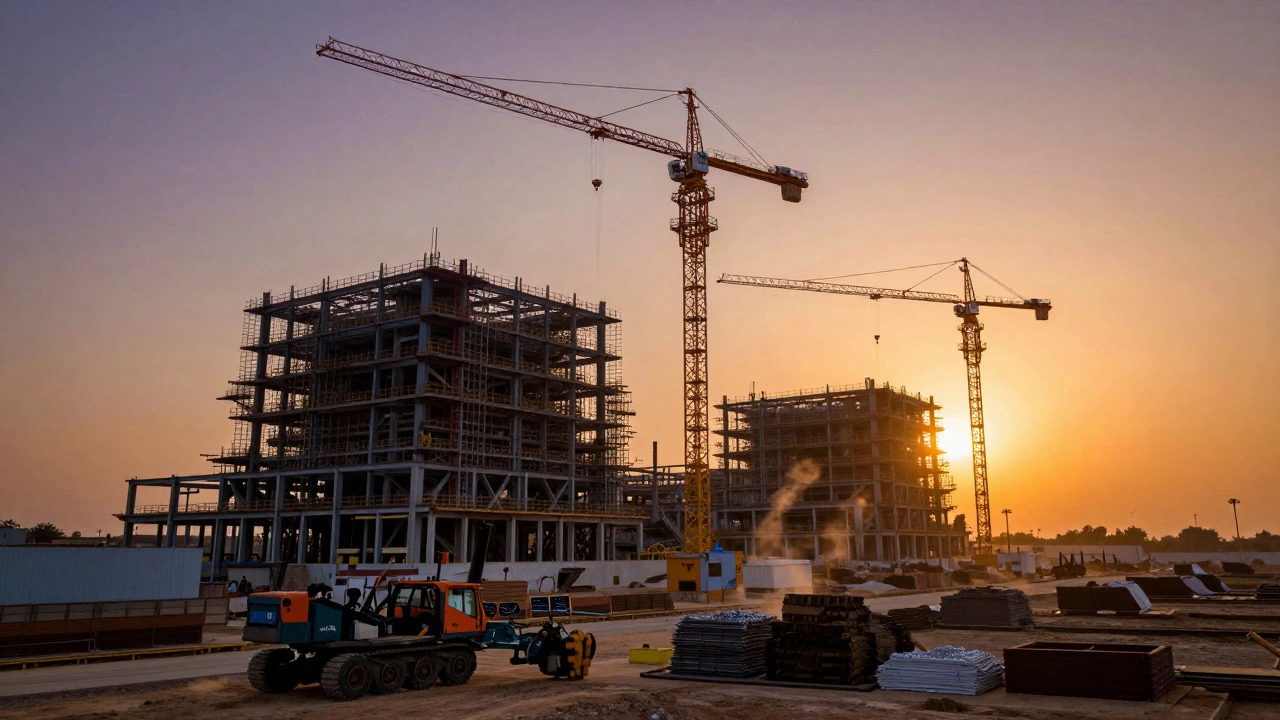
None of this would happen without significant financial backing. The Indian government launched the Production Linked Incentive (PLI) scheme for semiconductors and display technology. This scheme offers cash incentives based on the value of products manufactured in India. For semiconductor fabs, the incentive can go up to 50% of the project cost. For packaging and testing units, it is around 25-50% of eligible capital expenditure.
In 2023, the government approved three major proposals under this scheme, totaling over $10 billion in investments. This money is critical because setting up a semiconductor plant is incredibly capital-intensive. It also includes subsidies for raw materials and logistics, making India a more attractive destination compared to Southeast Asia or China. The policy aims to make India a global hub for electronics manufacturing, reducing the trade deficit by replacing imports with domestic production.
Challenges Facing Domestic Production
Despite the progress, challenges remain. One major issue is the lack of skilled workforce. Semiconductor engineering requires specialized knowledge in physics, chemistry, and mechanical engineering. While India produces many engineers, few have experience specifically in nanometer-scale fabrication. Universities are starting to introduce relevant courses, but it will take years to build a large enough pool of experts.
Another hurdle is the supply chain for raw materials. High-purity silicon, rare earth elements, and specialized gases often need to be imported. If these supplies are disrupted, production halts. Building a local supply chain for these inputs is a long-term goal but not yet a reality. Additionally, the equipment needed for fabrication, such as Extreme Ultraviolet (EUV) lithography machines, is only available from a handful of companies like ASML. Securing timely delivery of this machinery is a constant logistical challenge.
Future Outlook: Will India Make Chips?
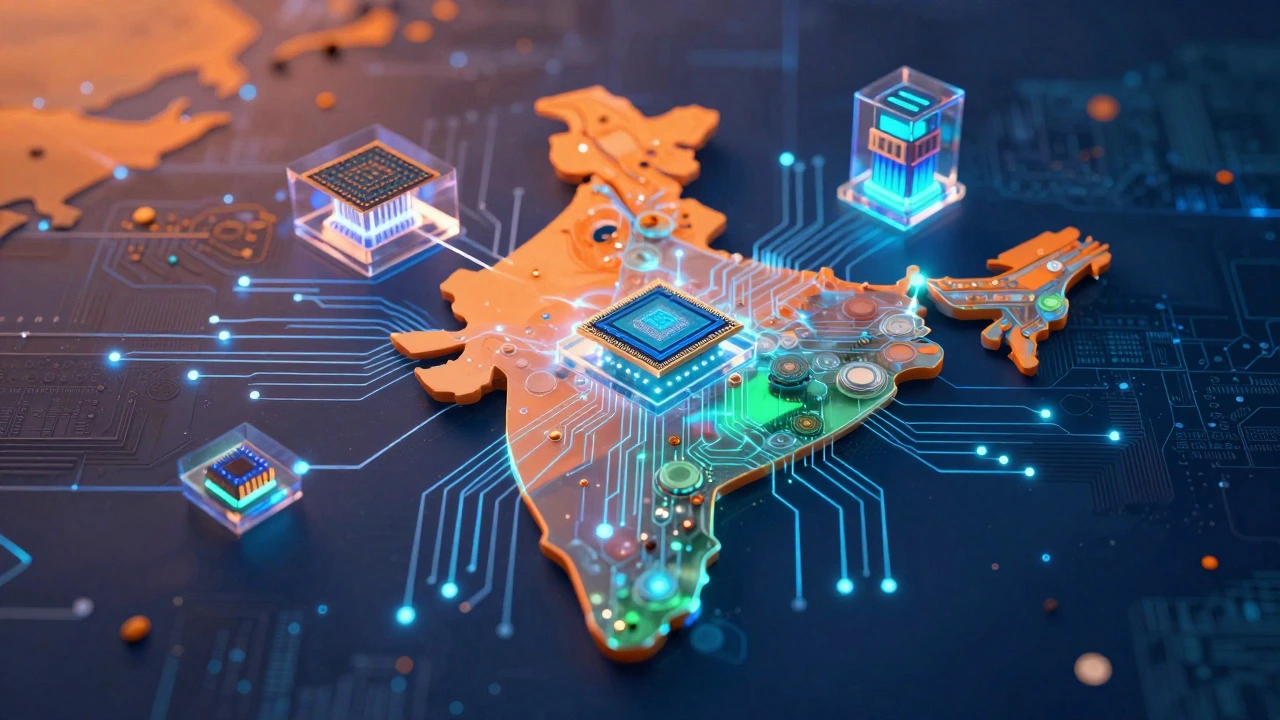
Looking ahead to 2027 and beyond, the expectation is that India will begin limited wafer fabrication. GlobalFoundries has expressed interest in setting up a fab for mature nodes (older technology generations). These chips are used in cars, appliances, and IoT devices, where extreme miniaturization is less critical than reliability and cost. This is a smart entry point for India, allowing it to gain experience before tackling the most advanced processors used in smartphones and AI servers.
The ultimate goal is self-reliance, or "Atmanirbhar Bharat." While complete independence from global suppliers is unlikely in the next decade, becoming a key node in the global supply chain is achievable. By focusing on packaging, testing, and mature-node fabrication, India can capture a significant share of the market. This diversification reduces geopolitical risks and ensures that critical technologies remain accessible even during global shortages.
Impact on the Local Economy
The rise of semiconductor manufacturing in India has broader economic implications. It creates high-value jobs not just in factories but in research, design, and maintenance. It also boosts related industries, such as chemicals, glass manufacturing, and precision engineering. Local businesses supplying services to these plants benefit from increased demand.
Furthermore, having a domestic semiconductor industry encourages innovation. Startups can access local prototypes and testing facilities, speeding up product development. This ecosystem effect is already visible in Bengaluru and Hyderabad, where tech hubs are expanding beyond software into hardware and embedded systems. The ripple effects extend to education, as institutions adapt curricula to meet industry needs, creating a virtuous cycle of skill development and industrial growth.
Is India currently producing its own microchips?
Yes, but primarily through packaging and testing. Companies like Micron and Tata Electronics are assembling and testing chips in India. Full-scale wafer fabrication (creating the actual circuits) is still in the planning or early construction phase for legacy nodes.
Which companies are building semiconductor plants in India?
Major players include Micron Technology, Tata Electronics, CG Power (with STMicroelectronics), and GlobalFoundries. These companies are establishing facilities in states like Gujarat and Karnataka, supported by government incentives.
What is the PLI scheme for semiconductors?
The Production Linked Incentive (PLI) scheme provides financial rewards to companies that manufacture semiconductors in India. It covers up to 50% of project costs for fabs and significant portions of capital expenditure for packaging units, aiming to boost domestic production and reduce imports.
When will India start fabricating advanced chips?
India is likely to start with mature-node fabrication (for cars and appliances) by late 2026 or 2027. Advanced chips for smartphones and AI may take longer, possibly until the early 2030s, due to the complexity and high cost of required technology.
Why is semiconductor manufacturing important for India?
It reduces dependence on imports, strengthens national security, creates high-skilled jobs, and positions India as a global electronics hub. It also supports the growth of other sectors like electric vehicles, renewable energy, and telecommunications.