Personal Plastic Footprint Calculator
Enter your average weekly usage for common single-use plastic items to estimate your yearly contribution.
ℹ️
Based on data trends from the Carbon Disclosure Project (CDP) and global waste audits.
Your Estimated Annual Footprint
0
Total Plastic Items
0
Kilograms of Waste
~10%
Likely Recycled
Impact Analysis
Calculating...
How to Reduce:
- Switch to a reusable water bottle to save ~50kg/year.
- Use a reusable coffee cup to eliminate lined paper/plastic waste.
- Carry cloth bags for shopping to stop bag accumulation.
You pick up a bottle of water. It comes from a brand you trust. But who actually made that plastic? And more importantly, who is responsible for the mountains of waste it becomes?
The answer isn't just "consumers." While we all play a role, the biggest drivers of plastic pollution are the corporations that produce and sell it. If you want to know who is the largest plastic polluter in the world, you have to look at the data released by the Carbon Disclosure Project (CDP). This independent charity collects environmental data from thousands of companies. Their reports act as a global scoreboard for corporate responsibility.
In recent years, the list has become clearer. A small group of multinational giants dominates the top spots. These aren't hidden factories; they are household names. Understanding who they are helps us understand where the problem starts and how we might fix it.
The Global Leaders in Plastic Waste
When we talk about "pollution" in this context, we aren't just talking about litter on beaches. We are talking about the volume of virgin plastic produced and sold. Virgin plastic is new plastic made from fossil fuels. It is designed for short-term use but lasts for centuries. The companies that make the most of this material are inherently the largest contributors to the waste crisis.
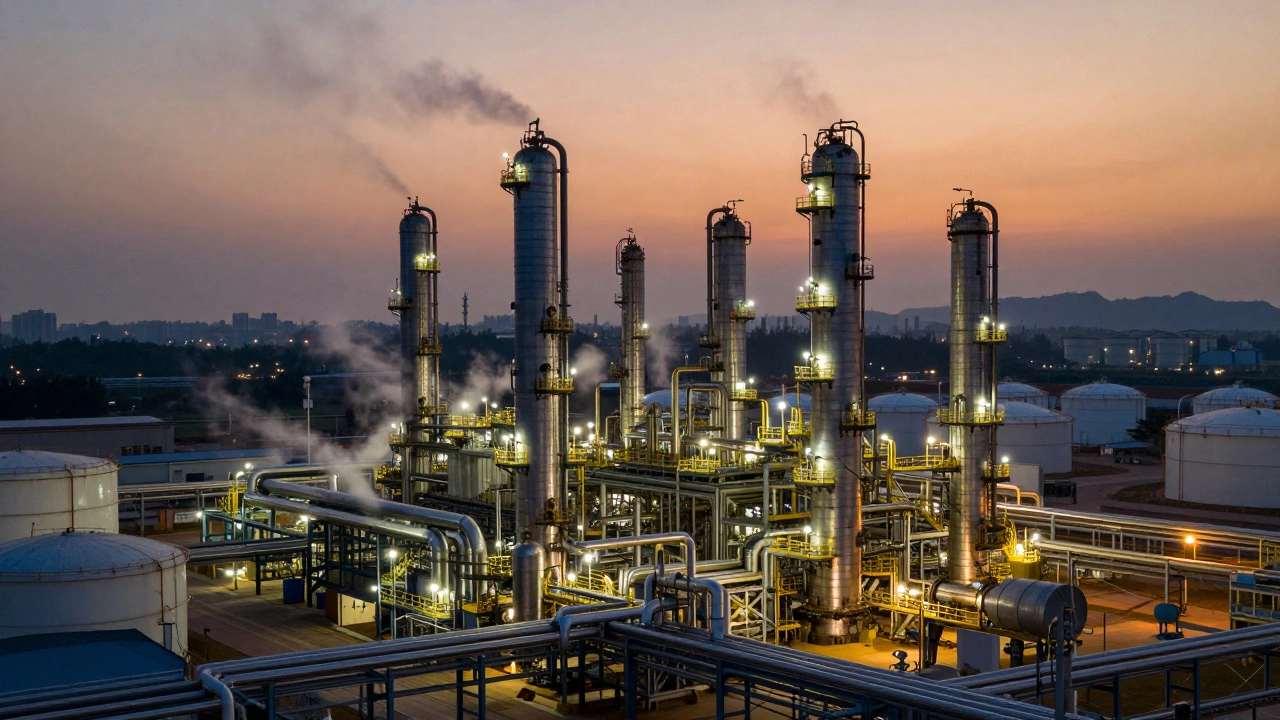
According to CDP's comprehensive audits, which cover over 40% of global plastic production, the top polluters are consistently the same few players. They operate across petrochemicals, packaging, and consumer goods. Here is how the hierarchy looks based on the latest available data trends leading into 2026.
| Rank | Company Name | Primary Business | Key Products |
|---|---|---|---|
| 1 | Sinopec | Petrochemicals | Ethylene, Polyethylene |
| 2 | ExxonMobil | Energy & Chemicals | Polypropylene, Polystyrene |
| 3 | Formosa Plastics | Petrochemicals | PET Resin, PVC |
| 4 | Dow Inc. | Chemicals | Polymers, Packaging Materials |
| 5 | BASF | Chemicals | Engineering Plastics, Additives |
Sinopec, China State Petroleum Corporation, often sits at the very top. As one of the largest state-owned enterprises in the world, its scale is massive. It produces millions of tons of ethylene annually, the building block for polyethylene bags and bottles. Its sheer output makes it the single largest contributor by volume.
Next come Western giants like ExxonMobil and Dow Inc.. These companies have spent decades optimizing their supply chains to produce cheap, durable plastic. While they invest heavily in recycling technologies now, their historical footprint and current production volumes keep them firmly in the top tier.
The Role of Consumer Goods Giants
It is easy to blame the manufacturers of raw plastic resin. But there is another side to this coin: the brands that buy that resin and turn it into products. These are the companies you see on supermarket shelves every day. They drive demand. Without their need for cheap packaging, the producers wouldn't make so much.
Companies like Nestlé, Coca-Cola, and PepsiCo frequently appear in high-pollution rankings. Why? Because their business models rely on single-use packaging. A soda bottle is used for minutes but persists for hundreds of years. When these companies fail to implement effective take-back schemes or switch to reusable systems, they contribute significantly to leakage into the environment.
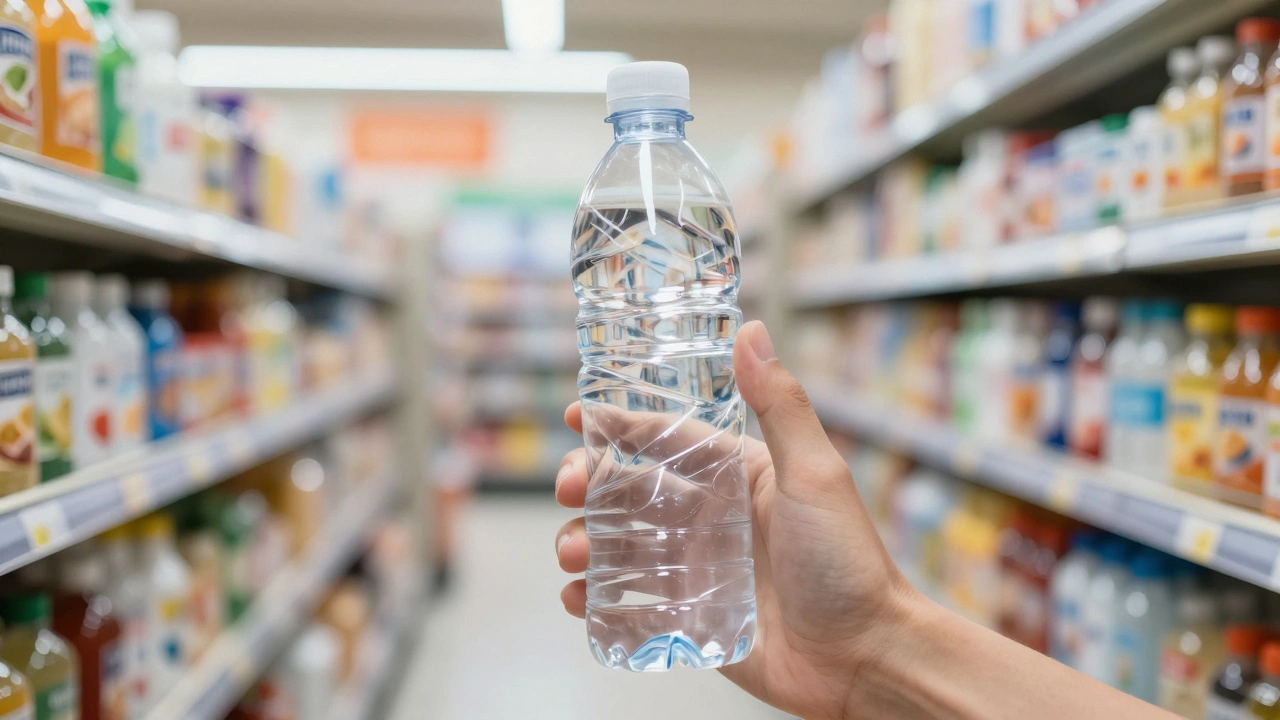
For example, Coca-Cola has been identified in multiple studies as one of the top ten plastic polluters globally, not because it manufactures the plastic itself, but because it sells billions of PET bottles. The distinction matters. Producers create the material; brands create the waste stream through design choices.
Why Do These Companies Produce So Much?
If plastic is such a problem, why don't these companies stop making it? The answer lies in economics and infrastructure. Plastic is incredibly versatile. It is lightweight, durable, and cheap to produce compared to glass, metal, or paper. For industries ranging from food preservation to medical devices, plastic offers benefits that alternatives currently cannot match at scale.
Furthermore, the cost of virgin plastic remains low because fossil fuel subsidies are still widespread. When oil and gas prices drop, plastic production costs drop too. This creates a perverse incentive: the cheaper energy gets, the more plastic is produced, regardless of the environmental impact. Until the true cost of waste management and cleanup is factored into the price of plastic, these companies will continue to prioritize volume over sustainability.
The Shift Toward Circular Economy
Things are changing, albeit slowly. The concept of a Circular Economy is moving from buzzword to business strategy. In a linear economy, we take resources, make products, and throw them away. In a circular economy, materials are kept in use for as long as possible. This means designing products for reuse, repair, and recycling.
Many of the top polluters are now committing to ambitious targets. For instance, several major chemical companies have pledged to increase their use of recycled content. Some are investing in chemical recycling, a process that breaks down plastic back into its molecular components to be remade into new plastic. However, critics argue that these solutions are not yet scalable enough to offset the continued growth in virgin plastic production.
Regulatory pressure is also mounting. The European Union, for example, has implemented strict directives on single-use plastics. Countries like India and Kenya have banned certain types of plastic bags. These policies force companies to adapt or face fines and reputational damage. As a result, we are seeing a rise in biodegradable alternatives and refillable packaging models.
How Can Consumers Influence Change?
You might feel powerless against multibillion-dollar corporations. But your purchasing power sends a signal. Every time you choose a product with minimal packaging, or support a brand that uses recycled materials, you vote for a different future. Boycotts and social media campaigns have successfully pressured companies to change their practices in the past.
Here are practical steps you can take:
- Reduce Single-Use Items: Carry a reusable water bottle, coffee cup, and shopping bag. This reduces demand for disposable plastics.
- Check Labels: Look for products packaged in glass, metal, or cardboard. These materials have higher recycling rates than plastic.
- Support Transparent Brands: Choose companies that disclose their plastic usage and commit to measurable reduction goals.
- Recycle Correctly: Contamination ruins recycling batches. Learn your local rules and rinse containers before disposing of them.
- Advocate for Policy: Support legislation that holds producers accountable for the entire lifecycle of their products, known as Extended Producer Responsibility (EPR).
The Future of Plastic Production
By 2030, global plastic production is expected to double if no action is taken. This trajectory is unsustainable. The window for meaningful change is closing. The largest plastic polluters must transition from being extractors of resources to stewards of materials. This requires innovation in chemistry, logistics, and consumer behavior.
New technologies are emerging. Bio-based plastics made from algae or agricultural waste offer a renewable alternative. Digital watermarks on packaging can help sorting facilities identify materials more accurately, improving recycling efficiency. Blockchain can track plastic waste from collection to processing, ensuring transparency.
However, technology alone won't solve the problem. We need systemic change. Governments must end fossil fuel subsidies and invest in green infrastructure. Corporations must accept responsibility for post-consumer waste. And individuals must shift their habits. Only then can we reduce the dominance of the largest plastic polluters and protect our planet.
Who is the number one plastic polluter in the world?
Based on data from the Carbon Disclosure Project (CDP), Sinopec is often ranked as the largest plastic polluter due to its massive production volume of ethylene and polyethylene. Other top contenders include ExxonMobil, Formosa Plastics, and Dow Inc.
Is Coca-Cola considered a major plastic polluter?
Yes. While Coca-Cola does not manufacture the raw plastic resin, it is consistently named among the top ten plastic polluters globally because of its immense sales volume of single-use PET bottles. Its business model relies heavily on disposable packaging.
What is the difference between virgin plastic and recycled plastic?
Virgin plastic is made directly from fossil fuels like oil and natural gas. Recycled plastic is created by melting down existing plastic waste and reforming it. Virgin plastic contributes to new carbon emissions and resource depletion, while recycled plastic reduces waste and energy consumption.
How can I reduce my personal plastic footprint?
You can reduce your footprint by using reusable items like water bottles and bags, choosing products with minimal or recyclable packaging, properly sorting your recycling to avoid contamination, and supporting brands that prioritize sustainable practices.
Are biodegradable plastics a solution to pollution?
Biodegradable plastics can help in specific applications, but they are not a silver bullet. Many require industrial composting facilities to break down properly and do not degrade in landfills or oceans. Reducing overall plastic consumption remains the most effective strategy.