Manufacturing Excellence Evaluator
Use this tool to score a manufacturing company against the criteria that define industry leaders like Toyota, Siemens, and GE. Select the options that best describe the company you are evaluating.
Evaluation Criteria
Assessment Result
?
Awaiting Input
Select criteria above and click Calculate to see if this manufacturer meets the standards of industry leaders.
You might think a "good" manufacturing company is just the one with the biggest factory floor or the highest revenue. But if you look closer at the industry titans that have survived recessions, supply chain collapses, and technological shifts, you’ll notice something else. It’s not just about size; it’s about resilience, efficiency, and the ability to adapt when things go wrong. So, what actually defines a good manufacturing company in today’s landscape? And who are the players setting the standard?
This isn’t just a list of names you’ve heard before. We’re breaking down the specific traits that separate the market leaders from the struggling middle-class firms. Whether you’re an investor looking for stability, a supplier seeking reliable partners, or a student trying to understand where the jobs are, understanding these criteria changes how you view the entire sector.
The Hallmarks of Industrial Excellence
Before we name names, let’s define the yardstick. What makes a manufacturer "good"? It’s rarely a single metric. In my experience working with supply chains here in the UK, I’ve seen massive corporations fail because they ignored basic operational hygiene, while smaller, agile firms thrived by mastering their niche.
A truly good manufacturing company balances three core pillars: operational efficiency, innovation capacity, and sustainability. Let’s unpack that. Operational efficiency isn’t just about cutting costs; it’s about reducing waste without sacrificing quality. Think of it as lean thinking-getting more out of every pound of steel or kilogram of plastic.
Innovation capacity refers to how well a company integrates new technologies. Are they using AI for predictive maintenance? Are they automating repetitive tasks to free up human workers for complex problem-solving? If a company hasn’t updated its machinery in ten years, it’s likely falling behind, regardless of its brand name.
Finally, sustainability is no longer a PR stunt. With carbon taxes rising and consumers demanding eco-friendly products, a good manufacturer must have a clear plan to reduce its environmental footprint. This includes energy-efficient plants, responsible sourcing, and waste recycling programs. If a company can tick all three boxes, it’s usually a safe bet.
Global Giants Setting the Standard
When people ask for examples of good manufacturing companies, the same few names come up repeatedly. These aren’t just big; they’re masters of their craft. Let’s look at why they hold this reputation.
| Company | Core Sector | Key Strength | Notable Innovation |
|---|---|---|---|
| Toyota Motor Corporation | Automotive | Lean Manufacturing | Toyota Production System (TPS) |
| Siemens AG | Industrial Electronics | Digitalization | Industry 4.0 Smart Factories |
| General Electric (GE) | Energy & Aviation | Scale & R&D | Additive Manufacturing (3D Printing) |
| Bosch Group | Automotive Parts | Precision Engineering | IoT Connected Devices |
| Johnson & Johnson | Pharmaceuticals | R&D Pipeline | Vaccine Distribution Networks |
Toyota Motor Corporation is often cited as the gold standard for manufacturing efficiency. Their Toyota Production System revolutionized the industry by focusing on eliminating waste. They don’t just build cars; they built a methodology that other industries copied. Why does this matter? Because it proves that process improvement yields higher margins than just selling more units.
Then there’s Siemens AG, a German conglomerate that has become synonymous with digital transformation. Siemens doesn’t just make turbines and trains; they create the software that runs modern factories. Their push towards Industry 4.0 means their facilities use data analytics to predict machine failures before they happen. This reduces downtime significantly, which is crucial for maintaining production schedules.
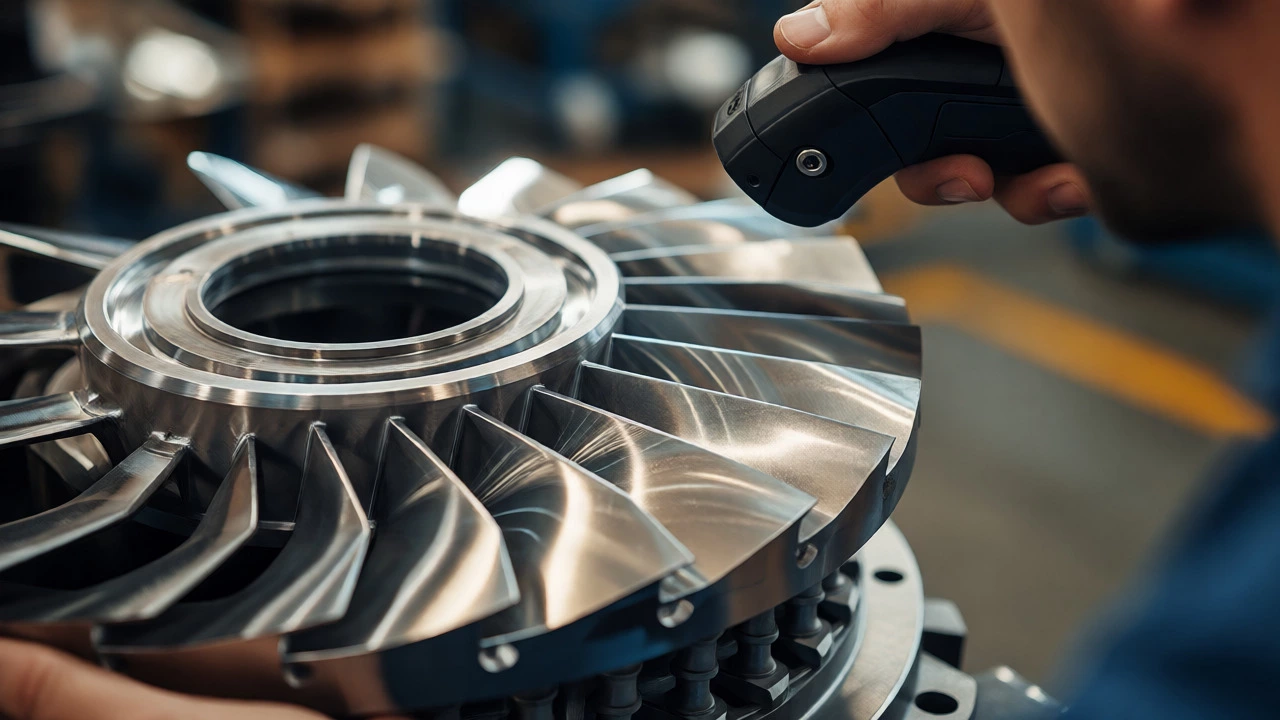
We also have to talk about General Electric. Despite recent corporate restructuring, GE remains a powerhouse in aviation and healthcare. Their investment in additive manufacturing allows them to print complex jet engine parts that were previously impossible to cast. This capability gives them a competitive edge in speed and customization.

Why Regional Champions Matter
While the global giants grab headlines, some of the best manufacturing companies operate regionally. These firms often dominate specific niches where precision and local knowledge outweigh scale. For instance, in the UK, companies like Rolls-Royce excel in aerospace engineering, leveraging decades of specialized expertise that newer entrants can’t easily replicate.
Regional champions benefit from tighter supply chains. When you manufacture close to your customers, you reduce shipping times and carbon emissions. This proximity also allows for better communication and faster iteration on product designs. If you’re looking for a partner who understands local regulations and consumer preferences, a regional leader might be a better fit than a distant multinational.
Consider the textile sector. While fast fashion dominates headlines, high-quality manufacturers in places like Portugal or Italy focus on durability and craftsmanship. These companies may not have the volume of a Chinese mega-factory, but their output commands a premium price because of perceived quality. A "good" manufacturer in this context is defined by consistency and material integrity, not just unit cost.
The Role of Technology in Modern Manufacturing
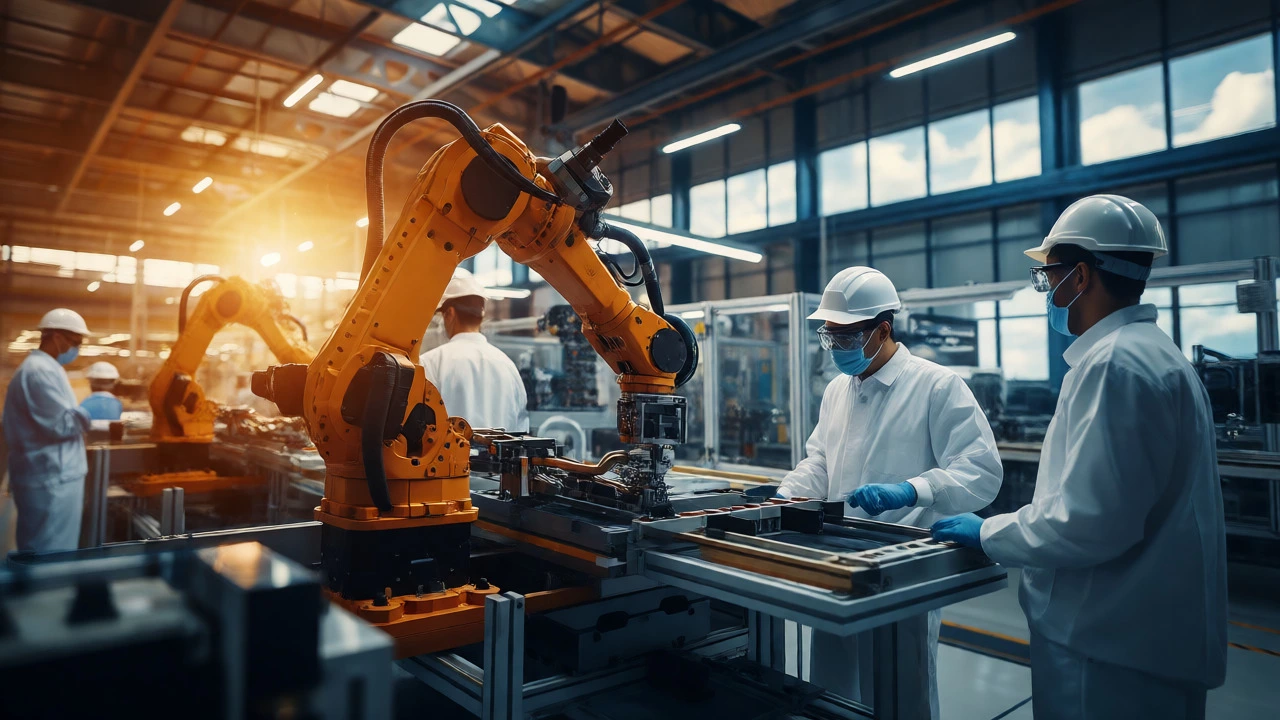
You can’t discuss good manufacturing without addressing technology. The days of manual assembly lines being the peak of productivity are over. Today, the best companies integrate automation and artificial intelligence into their workflows.
Take robotics, for example. Collaborative robots, or cobots, work alongside humans rather than replacing them entirely. This hybrid approach increases output while maintaining the flexibility needed for custom orders. Companies that successfully implement cobots report fewer workplace injuries and higher employee satisfaction because workers handle less physically demanding tasks.
Data analytics is another game-changer. Good manufacturers collect vast amounts of data from their machines. They analyze this data to optimize energy usage, schedule maintenance during off-peak hours, and adjust production rates based on real-time demand forecasts. This level of insight prevents overproduction, which ties up capital in unsold inventory.
But technology alone isn’t enough. You need skilled people to manage it. The best companies invest heavily in training their workforce. They understand that a smart factory is only as smart as the operators running it. If you’re evaluating a potential employer or partner, ask about their training programs. A company that skimps on training will eventually struggle with technical debt and operational errors.
Sustainability as a Competitive Advantage
Gone are the days when environmental responsibility was optional. Today, it’s a critical factor in determining whether a manufacturing company is "good." Investors scrutinize ESG (Environmental, Social, and Governance) scores, and consumers vote with their wallets.
Leading manufacturers are adopting circular economy principles. Instead of the traditional "take-make-dispose" model, they design products for longevity and recyclability. For example, some electronics manufacturers now offer take-back programs where they refurbish old devices instead of scrapping them. This reduces raw material costs and appeals to eco-conscious buyers.
Energy efficiency is another key area. Many top-tier factories have installed solar panels or switched to renewable energy suppliers. Some even aim for net-zero operations within the next decade. This transition requires upfront investment, but it lowers long-term operational costs and protects against volatile energy prices.
Moreover, sustainable practices often lead to better worker conditions. Cleaner production processes mean fewer toxic fumes and safer environments. Happy workers are more productive, which ultimately benefits the bottom line. It’s a virtuous cycle that separates forward-thinking companies from those stuck in outdated models.
How to Evaluate a Manufacturer Yourself
If you’re trying to decide if a specific company is a good candidate for partnership or employment, here’s a quick checklist:
- Financial Health: Look at their debt-to-equity ratio. High debt can signal instability, especially in volatile markets.
- Certifications: Do they hold ISO 9001 (quality management) or ISO 14001 (environmental management)? These indicate standardized processes.
- Customer Reviews: Check platforms like Glassdoor for employee sentiment or B2B review sites for client feedback.
- Innovation History: Have they released new products or patents in the last five years? Stagnation is a red flag.
- Supply Chain Transparency: Can they trace their raw materials back to the source? Lack of transparency often hides ethical issues.
Don’t rely solely on press releases. Dig deeper. Visit their facilities if possible. Talk to current employees. The truth about a company’s culture and efficiency often lies in the details, not the marketing brochures.
What is the most important factor for a good manufacturing company?
There is no single most important factor, but operational efficiency combined with consistent quality control is typically the foundation. Without these, a company cannot maintain profitability or customer trust, regardless of how innovative or sustainable it claims to be.
Are larger manufacturing companies always better?
No. Larger companies often have more resources and stability, but they can suffer from bureaucracy and slow decision-making. Smaller, niche manufacturers can be more agile, offering personalized service and faster adaptation to market changes. "Good" depends on your specific needs, such as volume requirements or customization levels.
How does automation affect manufacturing jobs?
Automation shifts the nature of manufacturing jobs rather than eliminating them entirely. It removes dangerous and repetitive tasks, creating roles in robot maintenance, programming, and data analysis. Workers often move to higher-value activities that require critical thinking and creativity, leading to safer and more engaging workplaces.
Why is sustainability important for manufacturers now?
Sustainability reduces long-term costs through energy efficiency and waste reduction. It also mitigates regulatory risks as governments impose stricter environmental laws. Furthermore, it enhances brand reputation, attracting both environmentally conscious consumers and investors who prioritize ESG criteria.
Can small businesses compete with top manufacturing companies?
Yes, by focusing on niche markets where large corporations lack agility. Small businesses can offer superior customer service, rapid prototyping, and customized solutions. They often serve local markets effectively, reducing logistics costs and building strong community relationships that big players find hard to replicate.