Small Scale Industry Calculator
Find Out If Your Business Qualifies
Check if your business meets small scale industry criteria for different countries based on investment or employee count.
When you hear the term small scale industry, you might picture a tiny workshop with a few workers making things by hand. That’s not wrong-but it’s also not the whole story. In simple terms, a small scale industry is a business that produces goods or provides services using limited capital, fewer employees, and basic technology. It’s not about being tiny for the sake of it. It’s about being practical, local, and flexible in a world that often favors big factories and global supply chains.
How Small Is "Small"?
There’s no single global rule for what counts as a small scale industry, but most countries define it by investment in machinery, number of workers, or annual turnover. In India, for example, a small scale manufacturing unit is one where the investment in plant and machinery is under ₹10 crore (about £95,000). In the UK, it’s often based on headcount: businesses with fewer than 50 employees are considered small, and under 10 is micro. The U.S. Small Business Administration defines small businesses as those with under 500 employees, but for manufacturing specifically, it’s often under 100.The key point? It’s not about size alone. It’s about how the business operates. Small scale industries usually don’t rely on automated assembly lines. They don’t have corporate HR departments or global logistics teams. Instead, they use manual or semi-automated tools. They make things in batches, not millions. They often serve local markets or niche customers who want something handmade, customized, or locally made.
What Do Small Scale Industries Actually Make?
You’d be surprised how many everyday things come from small scale manufacturers. Think about:- A local bakery that bakes sourdough loaves in small batches using stone ovens
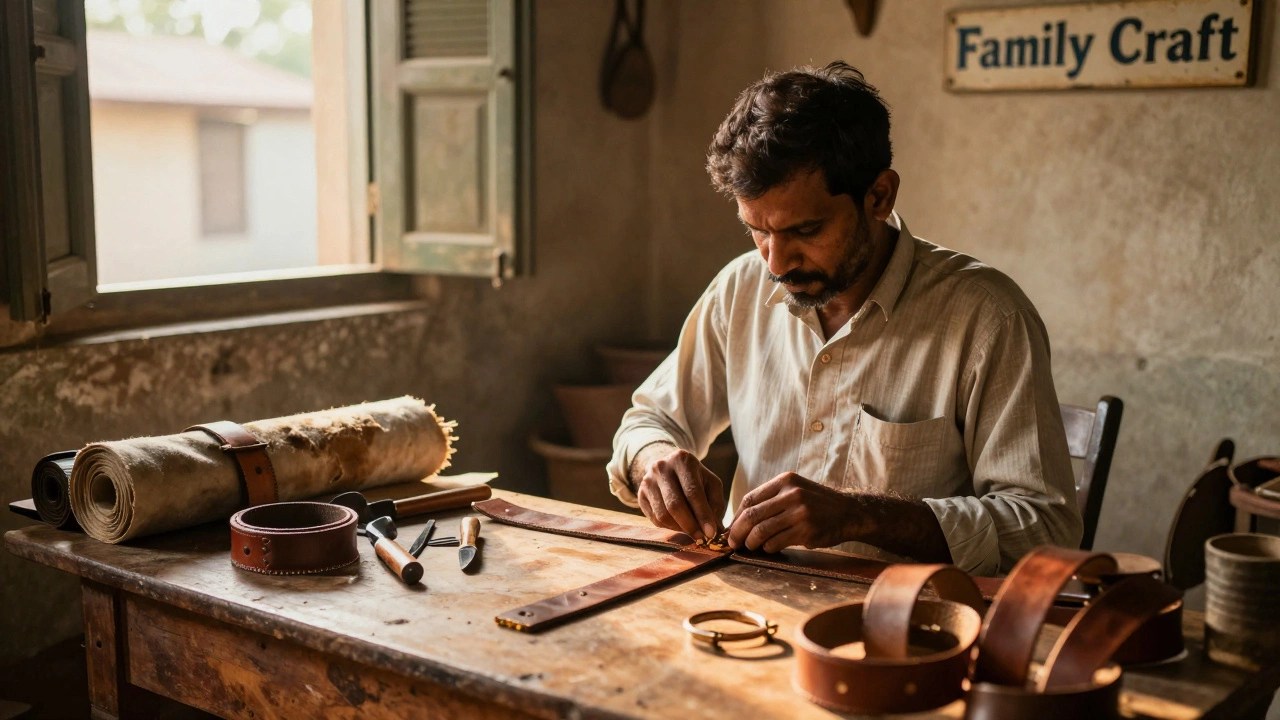
- A workshop in rural India that hand-stitches leather belts for export
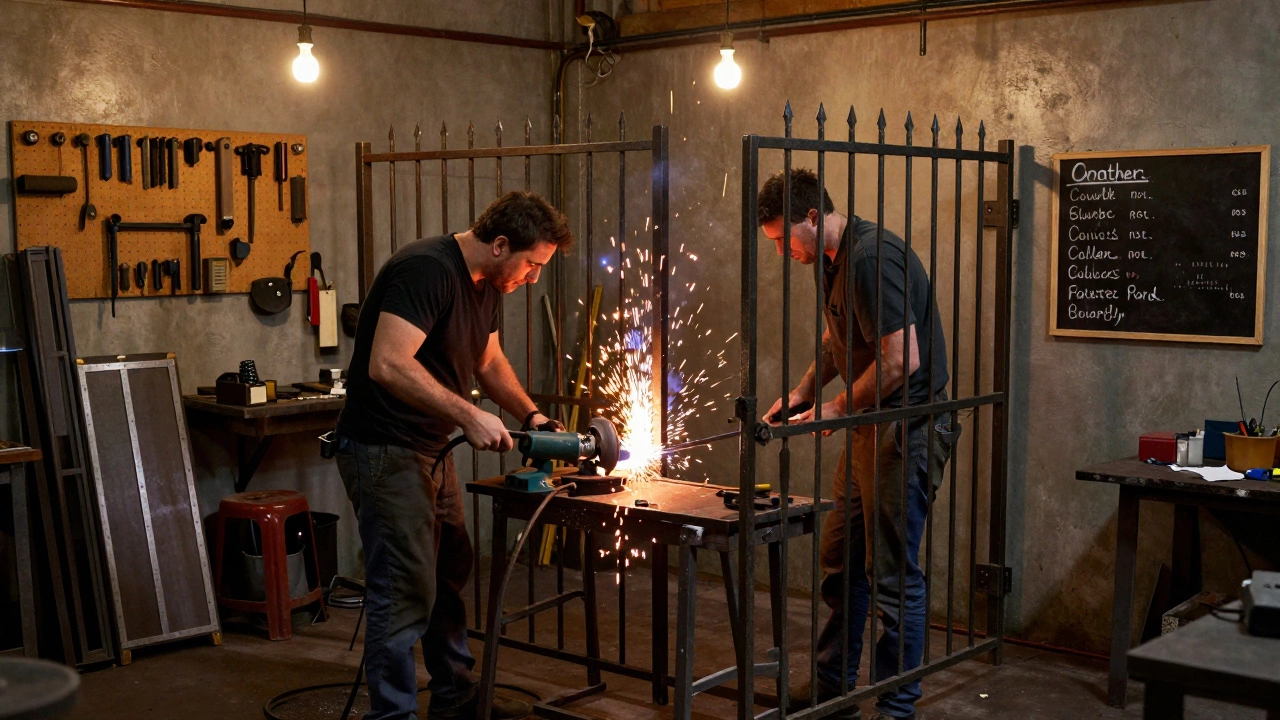
- A family-run workshop in Birmingham that builds custom metal garden gates
- A studio in Portugal that makes artisanal ceramic tiles for home renovations
- A small factory in Vietnam that assembles simple electronic components for local appliance brands
These aren’t just hobbies. These are real businesses. They pay wages, pay taxes, and keep local economies alive. Many of them started in someone’s garage or backyard shed. Over time, they grew just enough to hire one or two helpers-but never enough to need a corporate office.
Why Do Small Scale Industries Exist?
Big factories can produce more, faster, and cheaper. So why do small scale industries still matter? Because they fill gaps that big companies ignore.First, they make things that mass producers won’t touch. Think of custom designs, regional flavors, or repairs for old equipment. A big company won’t bother making replacement parts for a 1980s washing machine. A small workshop will.
Second, they’re agile. If a local restaurant needs 50 custom wooden serving trays by Friday, a small manufacturer can adjust their schedule. A big factory? They’re locked into 3-month production cycles.
Third, they’re deeply local. They buy materials from nearby suppliers. They hire people from the neighborhood. They pay rent in town. Their success keeps money circulating locally instead of flowing to distant shareholders.
Finally, they’re entry points. Many people who can’t afford to start a big business can start small. A single person with a sewing machine can launch a clothing line. Someone with a 3D printer can make custom phone stands. These aren’t just jobs-they’re opportunities for people who don’t have access to venture capital or bank loans.
Small Scale vs. Large Scale Manufacturing
Here’s a quick comparison:| Feature | Small Scale Manufacturing | Large Scale Manufacturing |
|---|---|---|
| Investment | Low (under £100,000) | High (millions) |
| Employees | Under 50 | Over 500 |
| Technology | Manual or semi-automatic | Full automation, robotics |
| Production Volume | Low to moderate | High, mass production |
| Market Reach | Local or niche | National or global |
| Customization | High-can tailor products | Low-standardized output |
| Startup Time | Weeks to months | Years |
Common Types of Small Scale Industries
Not all small manufacturers are the same. Here are the most common types you’ll find:- Cottage industries: Home-based production, like hand-knitted sweaters, woven baskets, or homemade jams. Often passed down through families.
- Artisan workshops: Skilled craft-based work-blacksmithing, pottery, woodworking, leather goods. Quality over quantity.
- Light manufacturing: Making non-heavy goods like packaging, toys, stationery, or small electronics. Often uses basic machinery.
- Repair and maintenance services: Fixing appliances, bicycles, or machinery instead of replacing them. A growing trend as sustainability becomes more important.
- Food processing units: Small-batch sauces, pickles, baked goods, or organic snacks. Often sold at farmers’ markets or local stores.
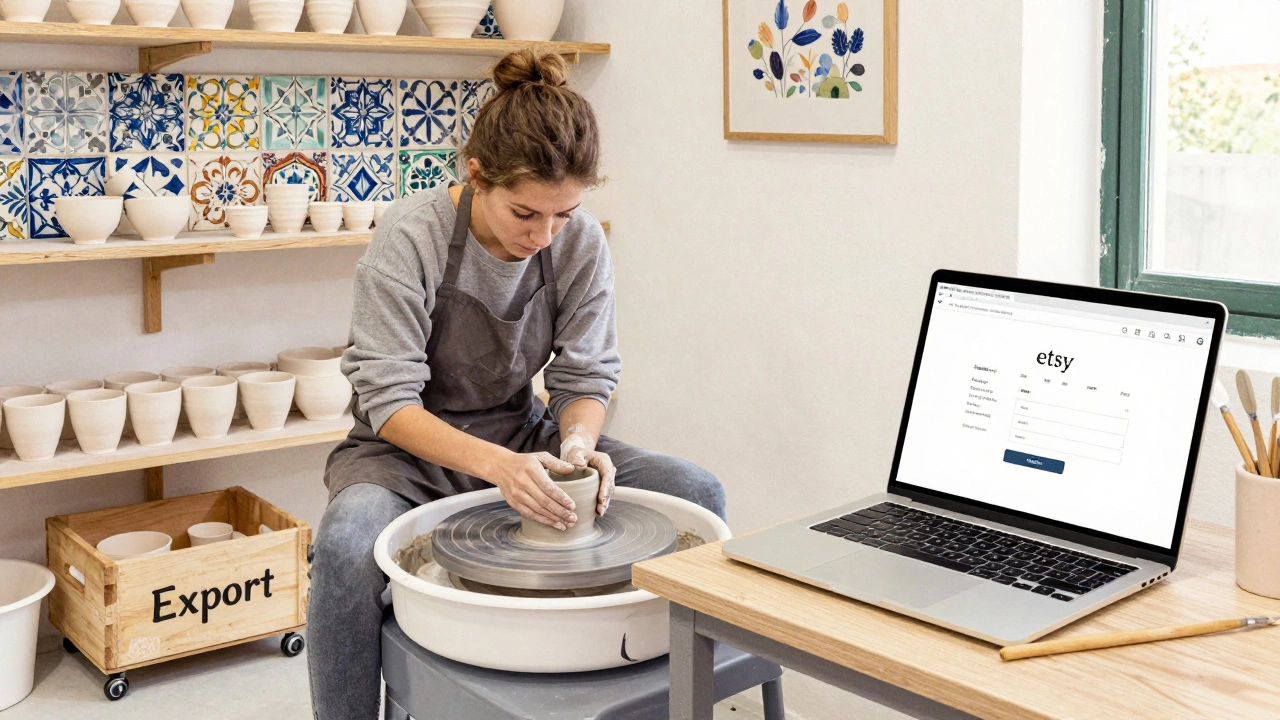
These aren’t just relics of the past. In fact, many are thriving thanks to online marketplaces like Etsy, Shopify, or local delivery apps. A potter in rural Wales can now sell to customers in Berlin or Toronto without ever leaving their studio.
The Hidden Strength of Small Scale Industry
One of the biggest misunderstandings is that small scale industries are "less important" than big factories. That’s not true. In fact, they’re often more resilient.During the pandemic, big factories shut down because supply chains broke. Small workshops? They adapted. One metalworker in Birmingham switched from making garden furniture to producing hand sanitiser stands for local clinics. A textile maker in Portugal started sewing face masks from leftover fabric. These weren’t corporate decisions-they were individual choices made in real time.
Small scale industries also drive innovation. Many big companies now buy prototypes or niche components from small manufacturers. Tesla, for example, sources custom battery housings from small shops in Germany. Apple uses small suppliers for unique finishes on its devices.
They’re also better for the environment. Less energy, less waste, less transportation. A small bakery doesn’t need to ship bread across continents. It makes what’s needed, when it’s needed.
Challenges They Face
It’s not all smooth sailing. Small scale industries struggle with:- Access to finance-banks often won’t lend without collateral
- Getting certified for quality standards (like ISO or food safety)
- Competing with cheap imports from large factories
- Lack of marketing skills-they’re great at making things, not selling them
- Difficulty scaling without losing quality
Many of these problems are solvable with the right support. Government grants, local business hubs, and online training platforms are helping small manufacturers survive and grow.
What’s Next for Small Scale Industry?
The future isn’t about becoming big. It’s about becoming smarter.More small manufacturers are using digital tools: online sales, inventory apps, social media marketing, even AI-powered design tools. A tailor in Delhi can now use a free app to generate custom patterns. A woodworker in Canada can order laser-cut parts from a local maker space.
Consumers are also shifting. People want transparency. They want to know who made their product, where it came from, and how it was made. Small scale industries are perfectly positioned to answer those questions.
It’s not about replacing big factories. It’s about creating a balance. A world where you can buy a mass-produced phone and a handmade ceramic mug from the same town. Where innovation doesn’t only happen in Silicon Valley-but also in a garage in Birmingham, a shed in Jaipur, or a studio in Oaxaca.
Is a home-based business the same as a small scale industry?
Not always. A home-based business can be a small scale industry if it’s involved in manufacturing or production-like making candles, furniture, or food products for sale. But if it’s just offering services like tutoring, freelancing, or consulting, it’s not considered manufacturing. The key difference is whether you’re creating physical goods.
Can small scale industries compete with big companies?
They don’t compete head-on-they compete differently. Big companies win on price and volume. Small ones win on customization, quality, speed, and local trust. A customer who wants a one-of-a-kind wooden toy won’t buy it from Amazon. They’ll find a small maker on Etsy. That’s a different market entirely.
Do small scale industries need formal registration?
It depends on the country and the type of business. In many places, small manufacturers must register for tax purposes, safety standards, or environmental rules-even if they’re tiny. In India, registration under the Udyam scheme gives access to loans and subsidies. In the UK, you need to register with HMRC and follow health and safety laws if you’re producing goods. Skipping registration can lead to fines or shutdowns.
Are small scale industries environmentally friendly?
Generally, yes. They use less energy, produce less waste, and often source materials locally. Many use recycled or upcycled materials. They don’t need to ship products across oceans. That means a much smaller carbon footprint than mass production. Some even use renewable energy like solar panels.
Can I start a small scale industry with no money?
You can start with very little. Many begin with tools they already own-a sewing machine, a soldering iron, a kitchen oven. You can make soap, candles, or simple jewelry with under £100. The key is starting small, testing demand, and reinvesting profits. Grants, microloans, and community support programs also exist in many countries to help first-time makers.