- Top Textile Manufacturing Giants: Spotlight on Global Leaders in 2025 Jan 28, 2025
- What Are the 7 Factors of Manufacturing? A Practical Guide for Small Businesses and Government Scheme Applicants Dec 26, 2025
- Understanding the Dynamics of Small Scale Production Processes Jan 7, 2025
- What is the biggest plastic producer company in the world? Oct 28, 2025
- Global Giants in Manufacturing: Leaders Shaping the Future Feb 2, 2025
Vehicle Scrappage Policy India: What It Means for Car Owners and Manufacturers
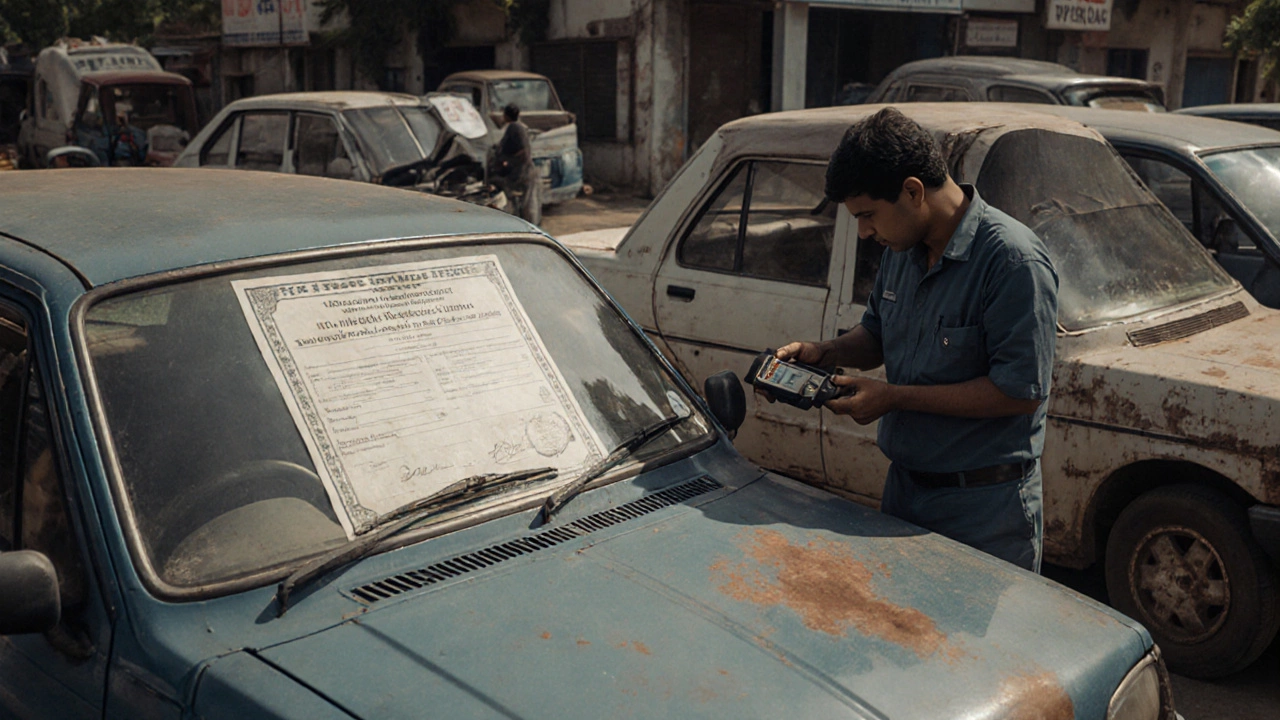
When you think of the vehicle scrappage policy India, a government-driven program to retire old, polluting vehicles and replace them with newer, safer models. Also known as voluntary vehicle scrapping program, it’s not just about removing rusted cars from the road—it’s a shift in how India handles mobility, pollution, and manufacturing growth. This policy isn’t a suggestion. It’s a rule that affects every car owner over 15 years old, every mechanic who repairs old engines, and every factory making new vehicles under the Make in India push.
The policy ties directly to Make in India cars, vehicles designed and assembled locally with high domestic content. Older cars, often imported or built with outdated tech, don’t meet today’s safety or emission standards. By scrapping them, the government clears space for newer models—many of which are electric or hybrid—made right here in India. That means more demand for local parts, more jobs in auto manufacturing, and fewer imports. Companies like Tata and Mahindra, who already build cars in India, are seeing a clear advantage: their newer models are the ones people are now being incentivized to buy.
It’s not just about the environment. There’s real money in this. If you own a car older than 15 years, you can get a tax rebate on your next vehicle purchase if you scrap the old one through a registered center. You’ll also get a scrappage certificate that lets you skip the hassle of renewing your registration. For manufacturers, this policy means predictable demand. No more guessing if people will hold onto their 20-year-old Maruti for another five years. Now, they know: when a car hits 15, it’s going to be replaced. That’s why the policy is pushing for standardized scrappage centers across the country—with proper testing, recycling, and documentation. It’s turning waste into raw material—steel, aluminum, rubber—and feeding it back into the production cycle.
What you’ll find below are real, practical posts that break down exactly how this policy works in 2025. From which cars are most likely to be scrapped, to how much cash you can get back, to how manufacturers are adjusting production lines to meet the new demand. No fluff. No theory. Just what you need to know if you own an old car, plan to buy a new one, or work in the auto industry. This isn’t about politics. It’s about your next car, your wallet, and your role in India’s industrial future.
Automobile Manufacturing
What Is the 15-Year Car Rule in India? Everything You Need to Know
- Aarav Sekhar
- Oct 30, 2025
The 15-year car rule in India requires vehicles over 15 years old to pass a fitness test to remain on the road. Learn how it works, what happens if you fail, and your options for scrapping or upgrading.