- Surat: India's Top Textile City - Which City Leads the Industry? Oct 2, 2025
- Cheapest Businesses to Start in Small-Scale Manufacturing Mar 9, 2025
- Highest Earning Businesses in a Day: Where the Biggest Daily Profits Happen Jul 13, 2025
- Where to Find the Cheapest Electronics: Best Countries for Tech Bargains Jul 6, 2025
- Navigating the Path to Small Scale Manufacturing Success Dec 22, 2024
Tensile Strength: Why It Matters in Modern Manufacturing
When working with tensile strength, the maximum stress a material can endure while being stretched before it snaps. Also known as pull strength, it serves as a fundamental benchmark in design, production, and safety assessments across industries. Engineers rely on this figure to select the right alloy for a car chassis, to certify that a polymer can survive the pressures of a packaging line, or to guarantee that a medical device meets rigorous regulatory limits. In short, tensile strength bridges the gap between raw material capabilities and real‑world performance.
Key Concepts Linked to Tensile Strength
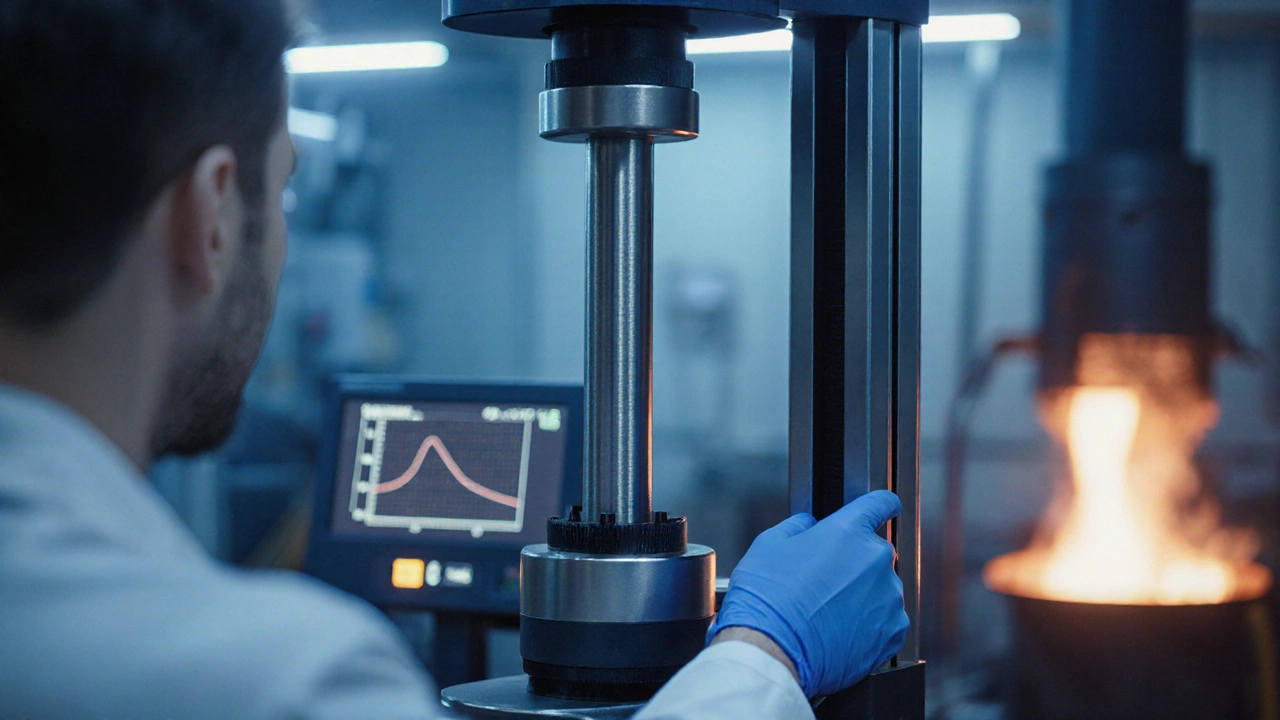
Understanding tensile strength starts with material testing, the systematic process of applying forces to a specimen to record its response. These tests generate the classic stress‑strain curve, a graph that plots applied stress against resulting strain, revealing elastic limits, yield points, and ultimate tensile strength. The curve not only tells you where a material will break but also how much it will elongate before doing so – vital data for engineers designing flexible components or high‑impact structures. Quality control teams use the curve’s data points to set acceptance criteria, ensuring each batch of steel, composite, or polymer meets the same strength standards that product designers assumed during the planning phase.
These three entities—tensile strength, material testing, and the stress‑strain curve—are tightly interwoven. Tensile strength is derived from the peak of the stress‑strain curve, which is produced by rigorous material testing, and the whole loop feeds into quality control systems that keep production consistent. That relationship matters whether you’re evaluating a new alloy for aerospace, choosing a biodegradable plastic for food packaging, or auditing a pharma‑grade stainless steel pipe. Below, you’ll find articles that dive into specific industries, from automotive to pharmaceuticals, illustrating how tensile strength data drives decisions, cuts costs, and boosts safety.
Ready to see tensile strength in action? Browse the collection below to explore case studies, market analyses, and practical guides that illustrate how this single metric shapes everything from profit margins to regulatory compliance in today’s manufacturing landscape.
Steel Manufacturing
Which Metal Is the Strongest on Earth? - Facts for Steel Makers
- Aarav Sekhar
- Oct 15, 2025
Discover which metal truly tops the strength charts, how tensile and hardness are measured, and why the answer matters for steel plants.