- Gujarat Famous Cloth: The Story Behind India's Textile Powerhouse May 25, 2025
- Food Industry Units Explained: Types, Functions & Key Metrics Oct 8, 2025
- How to Enter Manufacturing: Practical Steps for 2025 Oct 14, 2025
- Discover India's Furniture Capital: Unveiling the Top State for Furniture Mar 12, 2025
- Who Is the World Leader in Manufacturing? Top Companies and Global Rankings Feb 24, 2026
Pollution in Manufacturing: What You Need to Know
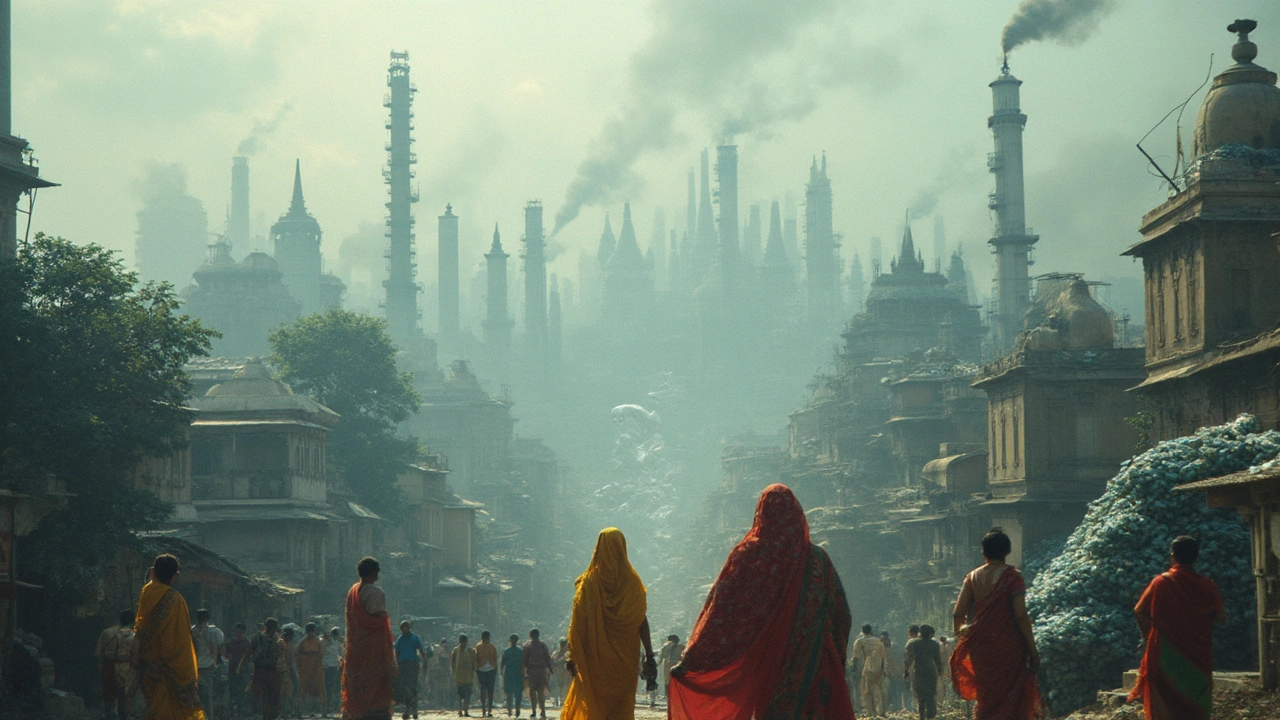
When you walk past a factory, the smoke, noisy machines, and pile of waste might not seem like a big deal. In reality, that pollution touches air quality, water sources, and the health of nearby residents. It also hurts a company's bottom line by raising energy bills and creating compliance headaches. Understanding the real impact helps you spot the low‑hanging fruit for improvement.
Air pollution from factories often comes from burning fossil fuels, metal smelting, or chemical processes. Tiny particles and gases slip into the sky, worsening respiratory problems for workers and locals. Water pollution follows a similar pattern: untreated effluents dump heavy metals, chemicals, and heat into rivers, killing fish and ruining irrigation.
How Pollution Affects Factories and Communities
Pollution isn’t just an environmental story; it’s a business story. Excessive emissions can trigger fines, force production shutdowns, and damage brand reputation. Communities near polluting plants often face higher healthcare costs, which can translate into lower consumer spending and a less stable local labor pool.
Even the supply chain feels the strain. If a raw‑material supplier gets flagged for violations, downstream manufacturers may lose access or have to scramble for alternatives. That ripple effect shows why tackling pollution at the source can protect the whole network.
Simple Steps to Cut Industrial Pollution
Start with a quick audit: measure energy use, water discharge, and waste generation over a month. The data will highlight the biggest leaks and give you a baseline to track progress.
Switch to energy‑efficient equipment where possible. LED lighting, variable‑speed drives, and modern furnaces cut fuel use without hurting output. In many cases, the payback period is under two years.
Install on‑site water‑treatment units. Simple filtration and recycling loops can remove contaminants before water returns to the environment, and the saved water reduces utility bills.
Adopt a waste‑hierarchy approach: reduce, reuse, then recycle. For example, metal scrap can be collected and sold to recyclers, turning a disposal cost into a revenue stream.
Encourage employee ideas. Front‑line workers often spot inefficient practices that managers miss. A suggestion program with modest rewards can generate dozens of low‑cost improvements each year.
Finally, stay ahead of regulations by following local guidelines and international standards like ISO 14001. Compliance isn’t just a checkbox; it builds trust with customers and investors who care about green practices.
Pollution may feel like a massive problem, but breaking it down into measurable steps makes it manageable. Small changes add up, and the benefits—cleaner air, lower costs, happier workers—pay off faster than you think.
Plastic Manufacturing
Top Companies Behind a Sea of Plastic
- Aarav Sekhar
- Mar 24, 2025
This article delves into the major companies responsible for the bulk of plastic production worldwide. It highlights how few large firms dominate the industry, contributing significantly to plastic pollution. Understanding their impact can drive change towards sustainable practices and consumer awareness. Recognizing these key players and their roles encourages informed decisions and potential actions for reducing environmental footprints.