- Best Furniture Companies in India for Quality, Style, and Value Nov 6, 2025
- Affordable Wood Options for Furniture Makers in India Dec 16, 2024
- Nvidia's Partnership with TSMC in Electronics Manufacturing Dec 18, 2024
- Who Runs a Manufacturing Company? Understanding Leadership in UK Manufacturing Today Dec 5, 2025
- Is Mercedes Owned by Tata? Clearing Up the Confusion May 18, 2025
Job Creation in India: How Manufacturing Drives Jobs and Growth
When we talk about job creation, the process of generating new employment opportunities through economic activity. Also known as employment generation, it’s not just about counting numbers—it’s about building livelihoods that last. In India, job creation doesn’t come from office towers or apps alone. It comes from factories, workshops, and small plants where people assemble parts, run machines, and pack goods. Every car made in Pune, every textile spun in Surat, and every food packet processed in Ludhiana adds real jobs—jobs that pay wages, build skills, and support families.
Manufacturing is the backbone of this. The Make in India, a national initiative to boost domestic manufacturing and attract foreign investment program isn’t just a slogan. It’s pushing companies like Tata, Mahindra, and Honda to build engines, cars, and parts right here. And it’s not just big names. The new textile policy, a government plan to expand India’s garment exports with cash incentives and industrial parks is creating thousands of jobs in small towns where people never thought they’d work in a factory. These aren’t temporary gigs. These are careers built on training, repetition, and growth.
Small manufacturers are the quiet engines behind this. A single workshop in Tamil Nadu making plastic parts for appliances can hire 15 people. A food processing unit in Punjab packing ready-to-eat meals might employ 50. These aren’t flashy headlines, but they’re where most new jobs happen. The industrial growth, the expansion of production capacity and output across sectors like food, plastics, and automotive isn’t just about GDP—it’s about who gets to wake up, go to work, and earn a steady income.
What’s changing now? Technology isn’t replacing workers—it’s reshaping them. A worker who used to hand-stitch garments now operates a semi-automatic sewing machine. A factory owner who once imported parts now sources locally, thanks to better supply chains. That’s job creation with dignity—upskilling, not displacing.
Below, you’ll find real stories from across India’s manufacturing landscape. From how Toyota built its workforce over decades to how a new textile park in Madhya Pradesh is hiring women for the first time. You’ll see how starting a small factory doesn’t need millions—just the right product and local demand. And you’ll learn why the most profitable manufacturing sectors today aren’t the ones with the biggest budgets, but the ones that hire the most people.
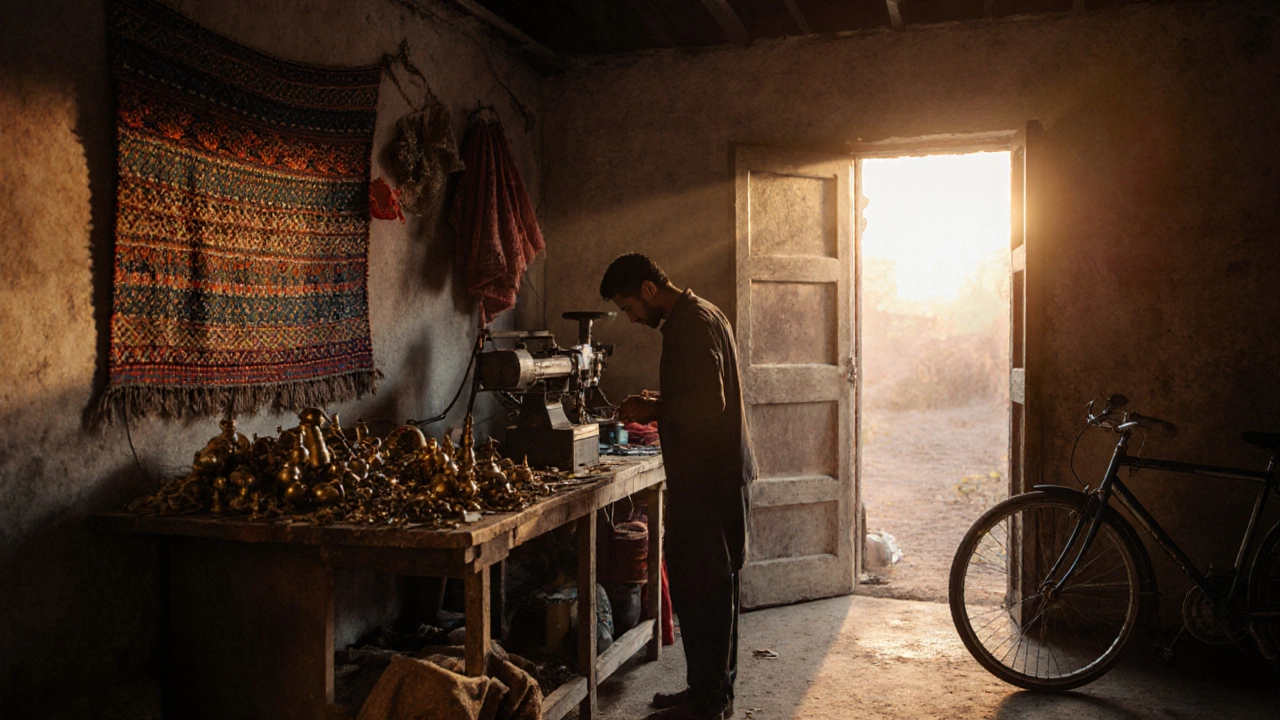
Small Scale Manufacturing
What Are the Advantages of Small Scale Industries?
- Aarav Sekhar
- Nov 20, 2025
Small scale industries offer lower costs, faster adaptation, local job creation, and environmental benefits. They thrive on customization, resilience, and direct customer relationships-making them vital to modern economies.