Recession-Proof Sector Analyzer
Select a manufacturing sector to see its resilience profile against economic downturns.
Food Processing
Rice milling, canned goods, dairy
Very High StabilityPharmaceuticals
Generic drugs, medical supplies
Extreme StabilityConstruction Materials
Cement blocks, bricks, tiles
High StabilityPackaging
Cardboard boxes, plastic bottles
Derived Demand
--
Sector Name
Subtitle description
Demand Stability
--%
Startup Cost (Lower is Better)
--%
Regulatory Hurdles (Lower is Easier)
--%
Why it's Recession-Proof:
Explanation goes here.
You don't need to chase the next big tech trend or guess what gadget will be popular next year. The most reliable businesses are often the boring ones. They are the companies that make things people cannot live without, regardless of whether the economy is booming or crashing. When you look at history, certain sectors remain stubbornly stable because human needs do not change with market trends.
In manufacturing, this stability comes from producing essential goods. These are products where demand is inelastic-meaning people buy them even when they are tightening their belts. If you are looking for a business that will always be in demand, you need to focus on survival, health, and basic infrastructure. This guide breaks down the specific manufacturing niches that offer long-term security and consistent cash flow.
The Psychology of Inelastic Demand
To understand why some businesses survive recessions while others fail, you have to look at consumer behavior. Economists call this "price inelasticity." When the price of luxury items goes up, or when people lose income, they stop buying designer clothes or expensive electronics. But they do not stop buying food, medicine, or cleaning supplies.
For a manufacturer, this means your sales volume remains relatively flat even during economic downturns. You might see a slight dip in premium product lines, but the core volume stays intact. This predictability allows for better inventory management, steadier payroll, and less stress about sudden revenue drops. It is the difference between riding a rollercoaster and walking on a paved road.
What makes a business recession-proof?
A business is considered recession-proof if it provides essential goods or services that consumers cannot cut from their budget, such as food, healthcare, or basic utilities. These businesses rely on inelastic demand, meaning customers continue to purchase regardless of economic conditions.
Food Processing: The Ultimate Constant
If there is one sector that never sleeps, it is food production. People eat three times a day, every day. While restaurant dining might drop during a recession, home cooking usually increases. This shift drives demand for packaged foods, staples, and processed ingredients.
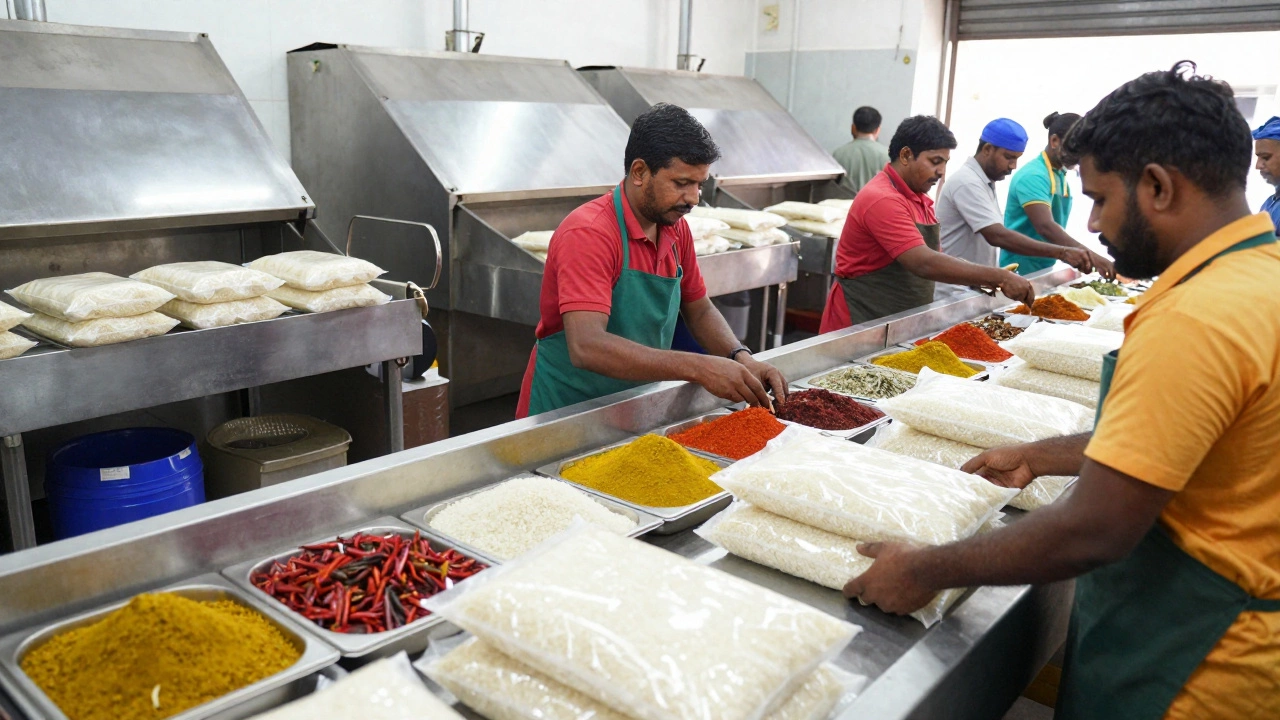
Consider packaged food manufacturing. This includes everything from rice and flour milling to canned vegetables and frozen meals. The barrier to entry can vary, but the demand is universal. For example, small-scale spice blending or local dairy processing offers lower startup costs than building a massive cereal factory, yet both serve a non-negotiable need.
Another angle is shelf-stable goods. Products like pasta, oats, and canned beans have long expiration dates, which reduces waste and appeals to budget-conscious consumers who buy in bulk. During uncertain times, people prefer these secure, long-lasting options over fresh produce that might spoil. A business focusing on high-quality, affordable staples will always find buyers.
- Rice and Flour Milling: High volume, low margin, but extremely consistent demand.
- Canned Goods: Essential for emergency preparedness and daily pantry stocks.
- Dairy Processing: Milk, cheese, and yogurt are daily dietary staples in many cultures.
- Spice and Condiment Blending: Low weight, high value, easy to ship and store.
Pharmaceutical and Medical Supplies
Health does not care about the stock market. Whether the economy is strong or weak, people get sick, age, and require medical attention. The pharmaceutical industry is arguably the most recession-resistant sector in existence. However, starting a drug discovery company requires billions in R&D. For smaller entrepreneurs, the opportunity lies in generic manufacturing and medical supplies.
Generic pharmaceutical manufacturing involves producing drugs whose patents have expired. These medications treat common conditions like hypertension, diabetes, and infections. Hospitals and pharmacies must keep these in stock continuously. There is no "off-season" for antibiotics or painkillers.
Beyond pills, consider medical disposables. Items like syringes, gloves, masks, and bandages are consumed rapidly by healthcare facilities. The global push for better hygiene standards post-pandemic has cemented the demand for these items. Manufacturing sterile packaging or basic diagnostic tools also offers a stable path. These businesses benefit from strict regulatory barriers, which keeps competition manageable once you are established.
Is pharmaceutical manufacturing too regulated for startups?
While highly regulated, niche areas like medical device assembly or sterile packaging have lower barriers than drug formulation. Partnering with established labs or focusing on consumables like gloves and masks can provide a viable entry point.
Construction Materials and Basic Infrastructure
Houses do not build themselves, and they do not last forever. Even when new housing starts slow down due to high interest rates, maintenance and repair work continues. Roofs leak, pipes burst, and roads crack. This creates a steady demand for construction materials.
Manufacturing cement blocks, bricks, or roofing tiles is a classic example of a business that survives economic cycles. These are heavy, local products, which means you compete primarily within your region rather than globally. This localization protects you from international trade wars or shipping disruptions.
Additionally, the repair and maintenance sector grows during downturns. Instead of moving to a new house, homeowners fix up their current one. This boosts demand for paint, plumbing fixtures, and electrical components. Producing standard-sized PVC pipes or basic electrical wiring harnesses ensures you have a constant stream of orders from contractors who are always working.
| Sector | Startup Cost | Regulatory Hurdles | Demand Stability |
|---|---|---|---|
| Food Processing | Low to Medium | Medium (Hygiene/Safety) | Very High |
| Pharmaceuticals | High | Very High | Extreme |
| Construction Materials | Medium | Low to Medium | High |
| Packaging | Low | Low | High (Derived Demand) |
Packaging: The Silent Backbone
Every product sold needs to be wrapped, boxed, or bottled. Packaging is a derived demand-it moves with the rest of the economy, but it never disappears. Even if people buy fewer luxury goods, they still buy groceries, medicine, and household cleaners, all of which require packaging.
Paper and cardboard box manufacturing is particularly resilient due to the e-commerce boom. Online shopping relies heavily on sturdy, cost-effective boxes. Similarly, plastic bottle blowing or glass jar manufacturing supports the food and beverage industry. These businesses act as B2B suppliers, meaning you sell to other companies that have their own steady customer bases.
The key here is efficiency. Packaging margins can be thin, so volume matters. However, because the demand is so broad, you rarely face a total lack of orders. You might switch clients, but the industry itself remains active. Innovating with sustainable materials, such as biodegradable plastics or recycled paper, can also open doors to eco-conscious brands willing to pay a premium.
Agricultural Inputs and Farming Equipment
As the global population grows, the need for food production intensifies. Farmers need seeds, fertilizers, pesticides, and equipment to keep harvests coming. This sector is driven by biology and demographics, not fashion trends. Agricultural input manufacturing is therefore inherently stable.
Producing organic fertilizers or bio-pesticides is a growing niche as regulations tighten on chemical alternatives. Small-scale machinery, such as hand-held sprayers or simple irrigation pumps, is also in constant demand by smallholder farmers worldwide. These tools are essential for productivity; without them, yields drop. Farmers will prioritize spending on inputs that ensure their crop survives, making this a priority expense even in tough times.
Can small manufacturers compete in these stable industries?
Yes. Large corporations dominate mass markets, but small manufacturers can thrive by specializing in local distribution, niche products (like organic spices), or providing faster service and customization than giants can offer.
Choosing Your Path: Risk vs. Reward
No business is entirely risk-free, but some risks are easier to manage than others. In recession-proof manufacturing, the main challenges are usually operational: supply chain consistency, quality control, and regulatory compliance. Market risk-the fear that nobody will want your product-is significantly lower.
When deciding which path to take, assess your capital and expertise. Food processing offers quick turnover and immediate cash flow but requires strict hygiene standards. Pharmaceuticals offer high margins and job security but demand immense patience for approvals. Construction materials provide steady B2B relationships but involve heavy logistics.
The best choice aligns with your local market needs. Look around your community. What is being imported that could be made locally? Where are the bottlenecks? Often, the answer lies in simplifying existing processes or bringing production closer to the consumer to reduce costs. By focusing on essentials, you build a business that doesn't just survive the storm but thrives in the calm after.
What is the lowest barrier to entry for recession-proof manufacturing?
Small-scale food processing, such as spice blending or jam making, typically has the lowest barrier to entry. It requires minimal equipment, has clear regulatory guidelines, and benefits from immediate consumer demand.
How important is location for these businesses?
Location is critical for heavy goods like construction materials due to shipping costs. For lightweight, high-value items like pharmaceuticals or specialized packaging, location matters less, provided you have access to reliable logistics networks.
Do I need a large team to start?
Not necessarily. Many small-scale manufacturing operations can start with 2-5 employees. Automation can help scale later, but initial success depends more on process efficiency and quality control than headcount.
Are online sales relevant for physical manufacturing?
Yes. B2B platforms allow manufacturers to connect directly with retailers and distributors. Additionally, direct-to-consumer models work well for niche food products or handmade goods, reducing reliance on middlemen.
How do I ensure quality in essential goods?
Implement strict Standard Operating Procedures (SOPs) and regular third-party testing. For food and pharma, certifications like ISO or GMP are not just badges; they are trust signals that reassure buyers and regulators alike.