Small Manufacturing Profitability Calculator
Enter the costs associated with producing a single unit of your product.
Direct Costs (Per Unit)
Financial Analysis
Net Profit Per Unit
£0.00
Profit Margin
0%
Enter values to see analysis
Cost Breakdown
Materials:
£0.00
Labor:
£0.00
Packaging/Shipping:
£0.00
Overheads:
£0.00
Total COGS:
£0.00
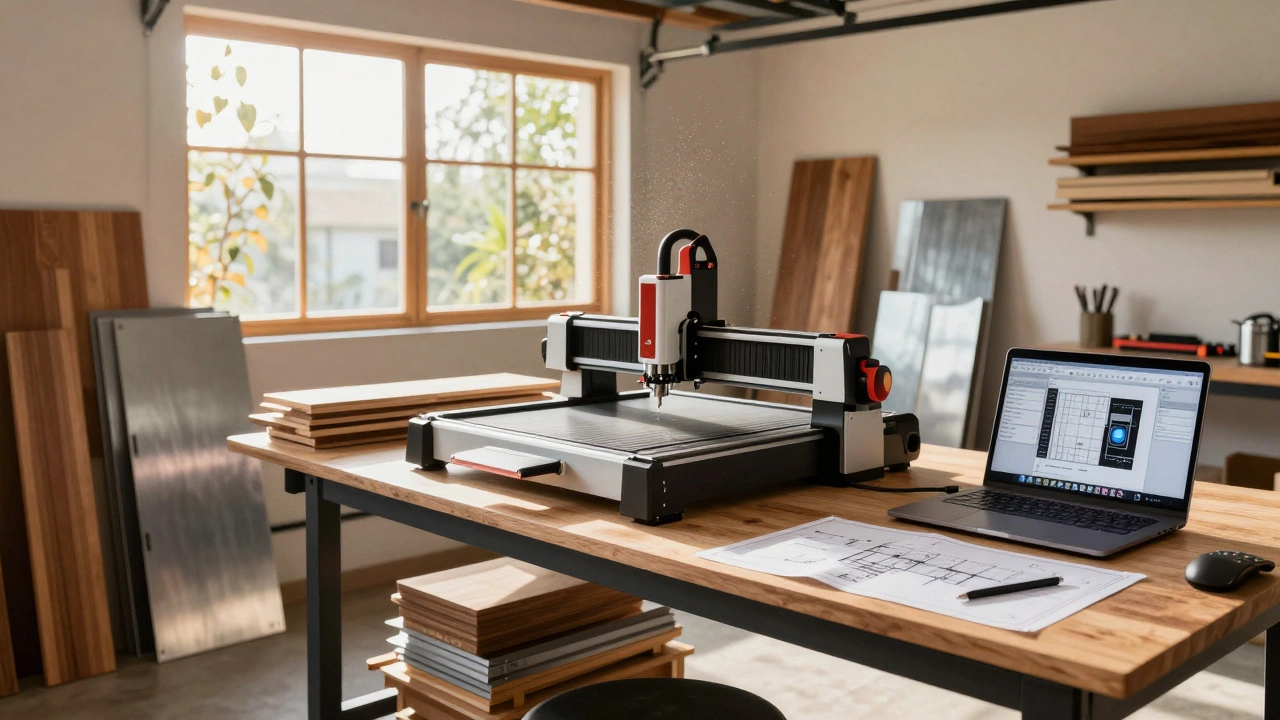
You don’t need a sprawling factory floor or millions in venture capital to start making things today. In fact, the landscape of small manufacturing business is a production enterprise focused on niche markets, utilizing agile processes and lower overheads compared to industrial giants has shifted dramatically. With advancements in digital fabrication and a growing consumer appetite for locally made goods, you can launch a viable operation from a garage, a shared workshop, or even a small rented unit in Birmingham. The barrier to entry isn't money anymore; it's strategy.
Starting a manufacturing venture means moving beyond just an idea. It requires understanding supply chains, regulatory compliance, and unit economics before you cut your first piece of material. This guide breaks down exactly how to go from concept to shipment without burning through your savings.
Identify Your Niche and Validate Demand
The biggest mistake new manufacturers make is building something nobody wants. You might love woodworking, but does the market want another generic cutting board? To succeed, you need to find a gap where demand outstrips supply or where existing options are poor quality.
Start by looking at what’s trending in local markets. Are people complaining about plastic waste? Maybe there’s room for biodegradable packaging. Do local gyms struggle with durable equipment? Perhaps custom-fitted mats are an opportunity. Use tools like Google Trends or Amazon Best Sellers to see what physical products are gaining traction. Look for keywords with high search volume but low competition from big-box retailers.
Once you have a product idea, validate it. Don’t build inventory yet. Create a simple landing page or post prototypes on social media. If people aren’t clicking ‘buy’ or signing up for updates, pivot. Validation saves you thousands in wasted materials.
Choose the Right Business Structure and Legal Setup
In the UK, how you structure your business affects your liability, taxes, and ability to raise funds. For most small manufacturing startups, a Limited Company (Ltd) is the smartest choice. It separates your personal assets from your business liabilities. If your machinery malfunctions and damages a client’s property, they come after the company, not your house.
Register your company with Companies House. It costs £12 online and takes minutes. Next, register for Corporation Tax with HMRC within three months of starting. You’ll also need to consider VAT registration if your turnover exceeds £90,000 (the threshold as of 2024-2025, check current rates for 2026). Voluntary registration might be beneficial early on if you’re buying expensive raw materials, allowing you to reclaim VAT on purchases.
Don’t forget insurance. Public Liability Insurance is non-negotiable. Product Liability Insurance is equally critical because if your manufactured good causes harm, you are legally responsible. General terms often exclude specific manufacturing risks, so read the fine print.
Secure Funding and Manage Cash Flow
Manufacturing is cash-intensive. You buy materials, pay labor, and cover rent long before the customer pays you. Many startups fail not because they lack sales, but because they run out of cash waiting for invoices to clear.
Here are common funding routes for small manufacturers:
- Bootstrapping: Using personal savings. This keeps ownership 100% yours but limits scale.
- Bank Loans: Traditional lenders may require collateral. Newer businesses often struggle here unless you have strong personal credit.
- Government Grants: In the UK, look into Innovate UK grants or regional development funds aimed at green tech or advanced manufacturing. These are competitive but free money.
- Crowdfunding: Platforms like Kickstarter or Indiegogo allow you to pre-sell products. This validates demand and provides upfront capital.
Create a detailed financial model. Calculate your Cost of Goods Sold (COGS) meticulously. Include raw materials, direct labor, and overheads allocated to each unit. If your margin is less than 30%, you’ll struggle to survive unexpected costs.

Set Up Your Production Space
Your workspace dictates your efficiency and safety compliance. You don’t necessarily need a heavy industrial estate. Consider these options:
| Option | Cost | Best For | Regulatory Burden |
|---|---|---|---|
| Home/Garage | Low | Craft goods, light assembly | Low (check zoning) |
| Shared Workshop/Makerspace | Medium | Prototyping, small batch | Medium (shared liability) |
| Rented Industrial Unit | High | Heavy machinery, large volume | High (full compliance) |
If you rent, ensure the space meets Health and Safety Executive (HSE) standards. This includes proper ventilation, fire exits, and electrical safety checks. Noise pollution and waste disposal are also regulated. Ignoring these can lead to hefty fines or shutdowns.
Source Materials and Build Supply Chains
Your product is only as good as its components. Sourcing reliable suppliers is a full-time job. Don’t rely on a single source. If your primary supplier faces a strike or shipping delay, your production halts.
Build relationships with multiple vendors. Negotiate payment terms. Aim for net-30 or net-60 days to improve your cash flow. Local suppliers reduce shipping times and carbon footprint, which is a selling point for eco-conscious consumers. However, global sourcing might offer better prices. Balance cost against reliability.
Implement a basic Inventory Management System. Even a spreadsheet works initially, but as you grow, software like Odoo or Zoho Inventory helps track stock levels, preventing overstocking (which ties up cash) or stockouts (which lose sales).
Implement Lean Manufacturing Principles
Lean manufacturing isn’t just for Toyota. It’s a methodology to minimize waste while maximizing productivity. For a small business, waste kills margins.
Focus on these five wastes:
- Overproduction: Making more than needed. Produce based on actual orders where possible.
- Waiting: Idle time between processes. Streamline workflow so materials move continuously.
- Transportation: Unnecessary movement of materials. Organize your shop floor logically.
- Over-processing: Adding features customers don’t value. Keep design simple.
- Inventory: Excess raw materials or finished goods. Adopt Just-in-Time (JIT) principles cautiously.
Standardize your processes. Create Standard Operating Procedures (SOPs) for every task. This ensures consistency in quality and makes training new staff easier. Consistency builds brand trust.

Navigate Regulations and Compliance
Manufacturing is heavily regulated. In the UK, you must comply with the Health and Safety at Work Act 1974. This means risk assessments for all activities. If you use chemicals, COSHH (Control of Substances Hazardous to Health) regulations apply. If you manufacture electronics, WEEE (Waste Electrical and Electronic Equipment) directives matter.
Product safety is paramount. Depending on your product, you may need CE marking (or UKCA marking post-Brexit) to sell in the UK/EU. This involves testing and documentation proving your product meets safety standards. Failure to comply can result in criminal charges. Consult a legal expert specializing in manufacturing law early on.
Market Your Products Effectively
Making the product is half the battle. Selling it is the other half. Traditional advertising is expensive. Focus on digital channels that target your specific audience.
Content marketing works well for manufacturers. Show behind-the-scenes videos of your production process. People love seeing craftsmanship. Highlight the story behind your materials. Is it sustainably sourced? Locally grown? Tell that story.
Optimize your website for SEO. Use keywords like “handmade [product]” or “custom [product] manufacturer.” List on marketplaces like Etsy, Amazon Handmade, or eBay to reach existing traffic. But always drive customers to your own site to build long-term relationships and avoid marketplace fees.
Scale Sustainably
Growth should be deliberate. Scaling too fast leads to quality control issues and cash flow crises. Reinvest profits into automation or better tools gradually. Hire staff only when demand consistently exceeds your capacity.
Monitor Key Performance Indicators (KPIs): On-time delivery rate, defect rate, and customer acquisition cost. If defects rise, pause growth and fix the process. Quality is your reputation.
How much capital do I need to start a small manufacturing business?
It varies widely. A home-based craft business might start under £1,000 with basic tools. A light assembly operation could require £10,000-£50,000 for equipment and initial inventory. Heavy manufacturing needs significantly more. Always budget for at least six months of operating expenses to cover slow periods.
Do I need a license to manufacture goods in the UK?
Yes, depending on the product. Food, pharmaceuticals, and cosmetics require specific licenses from bodies like the FSA or MHRA. General goods require business registration and adherence to health and safety laws. Always check with your local council and industry-specific regulators.
What are the best low-cost manufacturing ideas for beginners?
Consider products with low material costs and high perceived value. Examples include handmade candles, custom jewelry, printed apparel (using heat transfer), wooden home decor, or assembled kits. These require minimal specialized machinery and can be produced in small batches.
How do I protect my product design from being copied?
Use intellectual property rights. Register trademarks for your brand name and logo. Apply for design rights for the visual appearance of your product. Patents protect functional inventions but are expensive and complex. Copyright protects artistic elements. Consult an IP lawyer to secure your assets.
Can I start a manufacturing business from home?
Yes, many small manufacturers start at home. Check your lease agreement or mortgage terms for restrictions. Ensure your activities don’t create noise, odor, or excessive traffic that disturbs neighbors. Comply with local zoning laws and health and safety regulations even in a domestic setting.