Food Processing Plant Explorer
Select a type to see its raw materials, end products, and key technologies. Try all five! Tracked in your progress bar below.
Ready to Explore?
Choose a facility type from the menu on the left to learn about its specific operations and role in the global food supply chain.
Raw Materials
- -
End Products
- -
Key Technologies Used
No data selected
Exploration Progress
0 / 5 Types Explored
Have you ever stopped to think about why your morning yogurt stays fresh for weeks, or how a bag of potato chips remains crunchy long after it leaves the factory floor? It isn't magic. It is the result of precise engineering and science happening inside a food processing unit, which is a specialized facility that transforms raw agricultural ingredients into safe, edible, and shelf-stable products. Without these facilities, our global food supply would collapse within days. Spoilage would skyrocket, distribution networks would fail, and variety on supermarket shelves would vanish.
Understanding what a food processing unit actually does goes beyond just "cooking on a big scale." It involves complex logistics, strict hygiene protocols, advanced machinery, and rigorous quality control. Whether you are a student studying agriculture, an entrepreneur looking to start a manufacturing business, or simply a curious consumer, knowing how these units operate gives you insight into the modern world's most critical industry.
The Core Definition: More Than Just Cooking
A food processing plant is an industrial facility designed to convert raw materials like grains, fruits, vegetables, meat, and dairy into finished goods ready for consumption. The term "processing" covers a wide spectrum of activities. It includes simple mechanical tasks like washing, sorting, and peeling. It also encompasses complex chemical and biological changes such as fermentation, pasteurization, freezing, and canning.
The primary goal of any food processing unit is preservation. By altering the physical or chemical structure of food, these units inhibit the growth of bacteria, yeast, and mold. This extends shelf life significantly. For example, raw milk lasts only a few days at room temperature. Once processed through pasteurization in a dairy unit, it remains safe for consumption for weeks when refrigerated. This transformation is the backbone of modern food security.
Another critical function is convenience. Modern consumers rarely have time to grind wheat into flour, knead dough, and bake bread from scratch every day. Food processing units handle these labor-intensive steps, delivering ready-to-eat or easy-to-prepare products. This shift has revolutionized daily life, allowing people to spend less time preparing meals and more time on other activities.
Key Stages Inside a Food Processing Facility
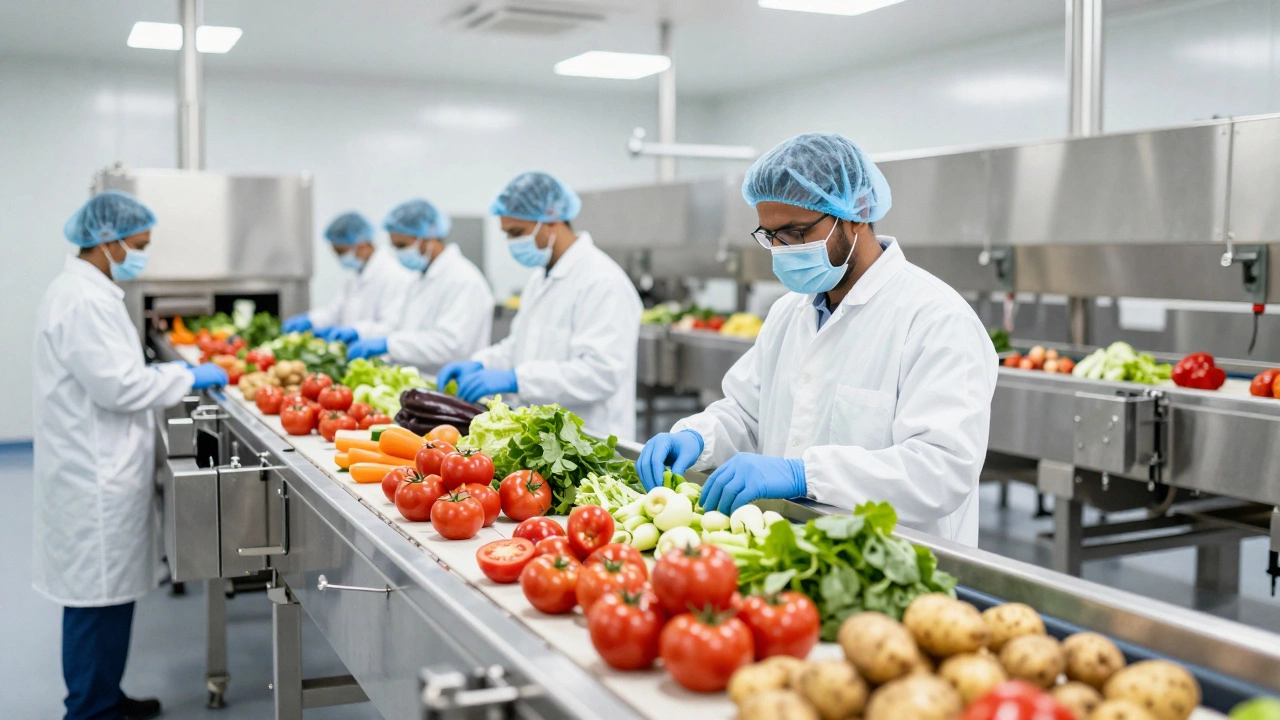
Walking through a typical food processing unit reveals a highly organized workflow. Each stage is designed to maintain safety and efficiency. Here is how raw materials typically move through the system:
- Receiving and Inspection: Raw materials arrive via trucks or rail. Quality control teams inspect them for freshness, contamination, and compliance with specifications. Any substandard material is rejected immediately.
- Cleaning and Preparation: Ingredients are washed, sorted, peeled, or cut. For instance, potatoes entering a chip manufacturing line undergo high-pressure water cleaning and optical sorting to remove dirt and defects.
- Processing: This is the core transformation phase. Methods vary by product. Meat might be ground and mixed with spices. Grains could be milled into flour. Fruits might be pureed and concentrated. Heat treatment, such as blanching or cooking, often occurs here to kill pathogens.
- Packaging: Once processed, food is packaged to protect it from external contaminants. Packaging ranges from simple cardboard boxes to vacuum-sealed plastic bags or sterile cans. The packaging must match the product’s storage requirements.
- Storage and Distribution: Finished goods are stored in climate-controlled warehouses before being shipped to retailers. Temperature monitoring is crucial during this stage to prevent spoilage.
Each step requires specific equipment and strict adherence to hygiene standards. Cross-contamination between raw and cooked foods is strictly prohibited. Facilities use color-coded tools and separate zones to prevent accidental mixing.
Types of Food Processing Units
Not all food processing units look or operate the same way. They are categorized based on the type of raw material they handle and the end product they produce. Understanding these categories helps clarify the diversity within the industry.
| Unit Type | Primary Raw Materials | Common End Products | Key Technology Used |
|---|---|---|---|
| Dairy Processing Plant | Raw Milk | Cheese, Yogurt, Butter, Powdered Milk | Pasteurization, Homogenization, Fermentation Tanks |
| Meat Processing Facility | Live Animals (Cattle, Poultry) | Steaks, Ground Beef, Sausages, Ham | Slaughtering Lines, Smoking Chambers, Freezers |
| Fruit & Vegetable Cannery | Fresh Produce | Canned Beans, Fruit Juices, Pickles | Retort Autoclaves, Blenders, Sealing Machines |
| Grain Milling Unit | Wheat, Corn, Rice | Flour, Cereal, Starch | Roller Mills, Sieves, Dehulling Machines |
| Snack Food Factory | Potatoes, Corn, Nuts | Chips, Crackers, Popcorn | Fryers, Extruders, Flavor Coating Drums |
For example, a dairy processing plant focuses heavily on temperature control and bacterial culture management. In contrast, a snack food factory prioritizes precise frying times and seasoning application. Each type requires specialized infrastructure and expertise.
Why Food Processing Matters: Safety and Nutrition
Critics sometimes argue that processed food lacks nutritional value compared to whole foods. While ultra-processed snacks may indeed be low in nutrients, essential food processing plays a vital role in public health. It makes food safer to eat.
Pathogens like Salmonella, E. coli, and Listeria pose serious risks if not controlled. Food processing units implement Hazard Analysis and Critical Control Points (HACCP) systems to identify and mitigate these risks. Pasteurization, for instance, reduces harmful bacteria in milk without destroying its nutritional content. Fortification adds vitamins and minerals back into refined grains, preventing deficiencies like scurvy or anemia in populations reliant on processed staples.
Moreover, processing reduces food waste. Imperfect fruits and vegetables that would otherwise rot in fields can be turned into juices, sauces, or frozen mixes. This maximizes the utility of agricultural harvests and supports sustainable farming practices.
Technology Driving Modern Food Processing
The food processing industry is undergoing a technological revolution. Automation, artificial intelligence, and Internet of Things (IoT) sensors are transforming traditional plants into smart factories.
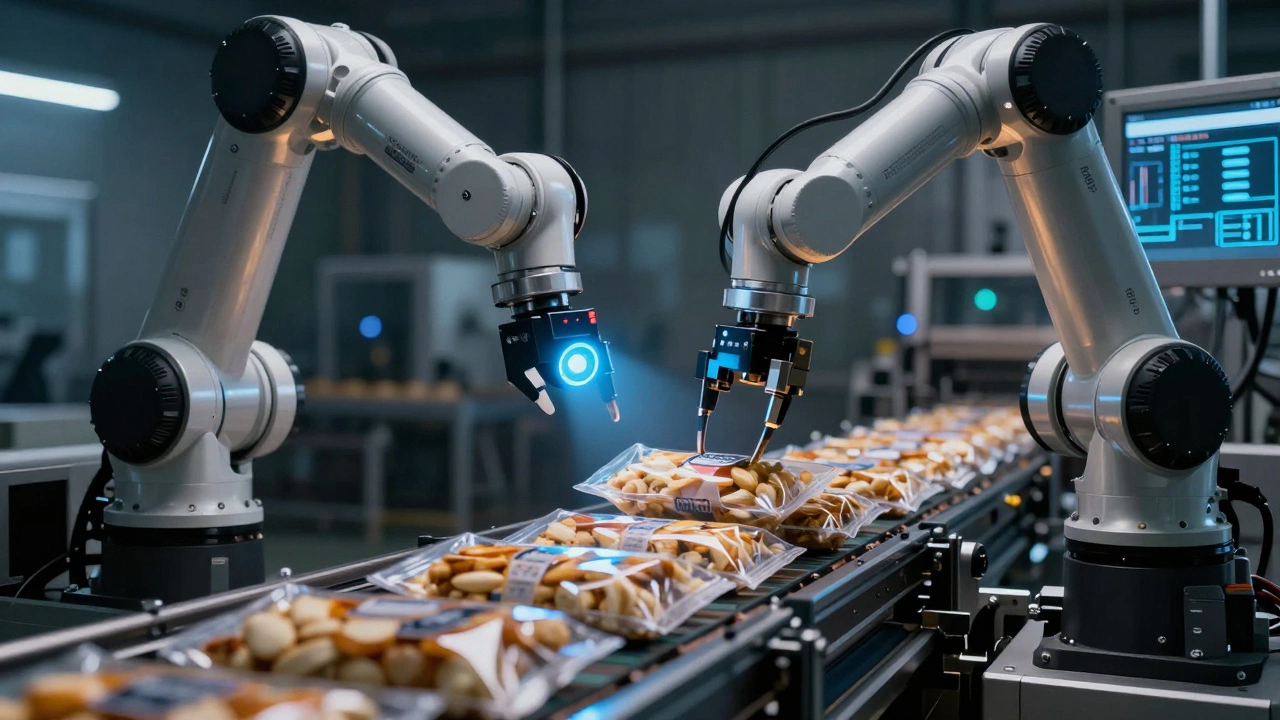
Robotic arms now handle delicate tasks like picking strawberries or packing chocolates with speed and precision that humans cannot match. Computer vision systems inspect every single item on the conveyor belt, detecting cracks, discoloration, or foreign objects instantly. These systems reduce human error and increase throughput dramatically.
IoT sensors monitor temperature, humidity, and pressure in real-time across the entire facility. If a freezer drops below the required threshold, alerts are sent immediately to maintenance staff. This proactive approach prevents costly spoilage and ensures consistent product quality.
Data analytics help optimize supply chains. Plants can predict demand fluctuations and adjust production schedules accordingly. This minimizes inventory costs and reduces the carbon footprint associated with overproduction.
Regulations and Compliance: Keeping Consumers Safe
Operating a food processing unit means navigating a complex web of regulations. Governments worldwide enforce strict standards to protect public health. In the United States, the Food and Drug Administration (FDA) oversees most food products, while the Department of Agriculture (USDA) regulates meat and poultry. In Europe, the European Food Safety Authority (EFSA) sets guidelines.
Facilities must obtain licenses and undergo regular inspections. They must document every batch of raw material received, every process step performed, and every test conducted. Traceability is key. If a contamination issue arises, companies must be able to track the affected product back to its source within hours.
Good Manufacturing Practices (GMP) form the foundation of compliance. These include proper handwashing procedures, hairnet usage, pest control measures, and equipment sanitation schedules. Failure to comply can result in fines, shutdowns, or criminal charges. Therefore, investment in training and quality assurance is non-negotiable for any serious operator.
Starting Your Own Food Processing Business
Are you considering launching a food processing venture? It is a lucrative but challenging path. Success depends on careful planning, market research, and capital investment.
First, define your niche. Will you focus on organic snacks, artisanal cheeses, or bulk grain milling? Each segment has different customer bases, pricing models, and regulatory hurdles. Conduct thorough market analysis to identify gaps and opportunities.
Next, secure funding. Setting up a facility requires significant upfront costs for land, buildings, machinery, and licenses. Explore government grants, small business loans, or private investors. Many countries offer incentives for agri-businesses to boost local economies.
Location matters too. Proximity to raw material sources reduces transportation costs and ensures fresher inputs. Access to skilled labor and reliable utilities (water, electricity) is equally important. Partner with experienced consultants who understand local food laws and operational best practices.
Finally, build a strong brand. Consumers today care about transparency, sustainability, and taste. Highlight your unique selling points-whether it’s locally sourced ingredients, eco-friendly packaging, or innovative flavors-to stand out in a crowded marketplace.
What is the difference between food processing and food manufacturing?
While often used interchangeably, there is a subtle distinction. Food processing refers to the methods used to transform raw ingredients, such as pasteurization or grinding. Food manufacturing encompasses the entire operation, including sourcing, processing, packaging, and distribution. Think of processing as the action and manufacturing as the business entity performing those actions.
Is all processed food unhealthy?
No. Processed food exists on a spectrum. Minimally processed items like frozen vegetables, canned beans, and plain yogurt retain much of their nutritional value and are convenient options. Ultra-processed foods, however, contain added sugars, salts, and artificial additives that can harm health if consumed excessively. Balance is key.
How do food processing units ensure hygiene?
Units follow strict Good Manufacturing Practices (GMP). This includes mandatory handwashing stations, protective clothing, air filtration systems, and regular sanitization of equipment. Employees undergo frequent training on hygiene protocols. Third-party auditors often conduct surprise inspections to verify compliance.
What are the biggest challenges facing food processing plants today?
Key challenges include rising energy costs, labor shortages, supply chain disruptions, and increasing consumer demand for clean-label products. Climate change also affects the availability and quality of raw materials. Adapting to these pressures requires innovation and flexible strategies.
Can small businesses compete with large food corporations?
Yes, by focusing on niche markets and superior quality. Small producers can offer unique flavors, localized sourcing, and personalized customer service that giants struggle to replicate. Direct-to-consumer sales channels and online marketing further level the playing field.