- Top Manufacturing Startup Ideas Thriving in 2024 Dec 31, 2024
- Most Popular Car in India 2025: Which Model Leads the Roads? Oct 23, 2025
- Understanding the Biggest Single-Use Plastic: Surprising Facts and Insights Mar 17, 2025
- How to Start a Manufacturing Business from Zero: Step-by-Step Guide for Beginners Nov 17, 2025
- What Is the 15-Year Car Rule in India? Everything You Need to Know Oct 30, 2025
Waste Management for Indian Manufacturers: Real‑World Tips and Benefits
Got a factory floor buzzing with machines and material leftovers? Ignoring that waste won’t make it disappear – it just piles up, eats money, and can land you in legal trouble. The good news is you don’t need a massive overhaul to start seeing results. Small, consistent actions can shrink your waste stream, cut costs, and keep regulators happy. Below are simple steps you can apply today, plus why waste management matters for any Indian manufacturer.
Why waste management matters for Indian factories
India’s manufacturing sector is growing fast, but the waste it creates is rising even faster. From metal shavings to plastic packaging, every extra kilogram you toss away adds up to higher disposal fees and a bigger carbon footprint. The government has tightened rules – think of the Hazardous Waste Management Rules and the Plastic Waste Management Rules – and non‑compliance can mean fines or shutdowns. On the flip side, firms that sort, reuse, and recycle often see a 5‑15% drop in operating costs because they buy fewer raw materials and pay less for landfill space. Plus, a clean plant boosts worker morale and makes the brand look better to customers who care about sustainability.
Simple steps to improve waste handling today
1. Do a quick waste audit. Walk the floor with a clipboard for a half‑day and note what wastes appear, how much, and where they come from. You’ll be surprised how much scrap metal or food waste you can capture for reuse.
2. Set up color‑coded bins. Red for hazardous, blue for recyclables, green for organic, and yellow for general waste. Clear labels and a short staff briefing can cut contamination by half.
3. Partner with local recyclers. Many cities now have firms that buy metal scrap, cardboard, and even electronic waste. A regular pick‑up schedule turns waste into a small revenue stream.
4. Reuse what you can. Instead of throwing away pallets, cutoffs, or packaging, find a second use within the plant or sell them to a nearby business. Even simple practices like washing and reusing containers can save money.
5. Train your team. A five‑minute talk each shift about separating waste keeps habits fresh. Recognize employees who suggest new ideas – a little praise goes a long way.
6. Track progress. Use a spreadsheet or a free app to log the weight of each waste type month over month. Seeing numbers drop is motivating and gives you data for compliance reports.
7. Look for process tweaks. Sometimes waste is a sign of an inefficient step. For example, if a cutting machine leaves large off‑cuts, adjusting the tool or the pattern can reduce scrap dramatically.
8. Stay updated on regulations. Rules evolve, especially around e‑waste and single‑use plastics. Subscribe to a local industry newsletter or join a manufacturers’ association to avoid surprise fines.
Putting these steps into practice doesn’t require a huge budget, just a bit of focus and consistency. Start with one or two actions, watch the impact, then add more. Over time, you’ll notice lower waste costs, smoother audits, and a cleaner workplace – all of which help your bottom line and the environment.

Environment
The Truth About Zero Waste Countries: Can Any Nation Claim Zero Landfills?
- Aarav Sekhar
- Jul 3, 2025
Ever wondered if any country truly generates zero waste? This in-depth look reveals the reality behind 'zero waste' claims, leading nations, and what actually works.
Plastic Manufacturing
Which Company Leads in Plastic Pollution Today?
- Aarav Sekhar
- Feb 16, 2025
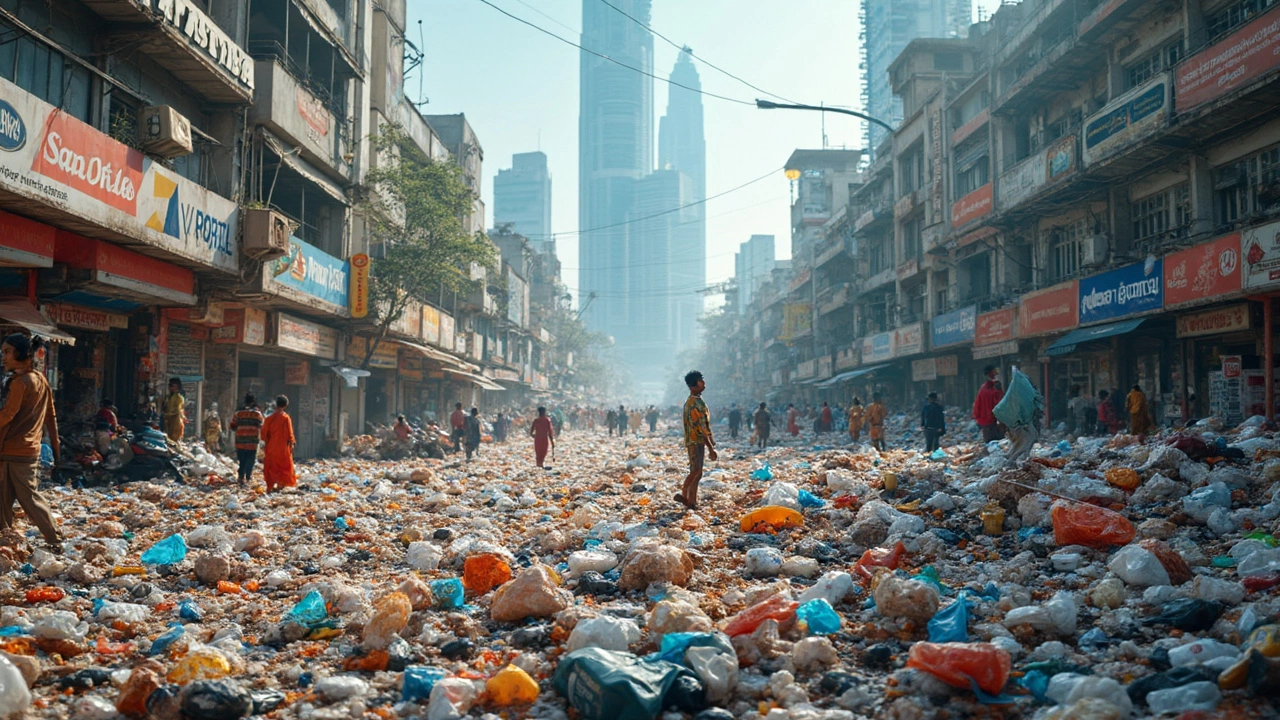
The race to uncover the top plastic polluters brings attention to the adverse impact these companies have on the environment. Learn which corporations are the major contributors to plastic waste, how consumer choices play a role, and discover innovative solutions aiming to tackle this growing concern. From multinational giants to grassroots initiatives, the fight against plastic pollution opens up dialogues on sustainability and corporate responsibility.