- Top Small Scale Manufacturing Business Trends in 2024 Dec 4, 2024
- Highest Earning Businesses in a Day: Where the Biggest Daily Profits Happen Jul 13, 2025
- Chemicals Manufactured in India: A Deep Dive into the Industry Apr 14, 2025
- Understanding the Dynamics of Small Scale Production Processes Jan 7, 2025
- Why Is Chinese Steel Cheaper Than US Steel? May 12, 2025
Old Car Ban India: What’s Happening and What It Means for Your Vehicle
When you hear old car ban India, a government policy that phases out vehicles based on age and emission levels to reduce pollution and improve road safety. Also known as vehicle scrappage policy, it’s not just about removing old cars from the road—it’s about rebuilding India’s auto ecosystem from the ground up. This isn’t a random rule. It’s a direct response to the fact that over 40% of vehicles on Indian roads are older than 15 years, spewing far more pollution than modern models. The government’s goal? Cut urban air pollution, boost local manufacturing, and push people toward cleaner, safer, and more efficient vehicles.
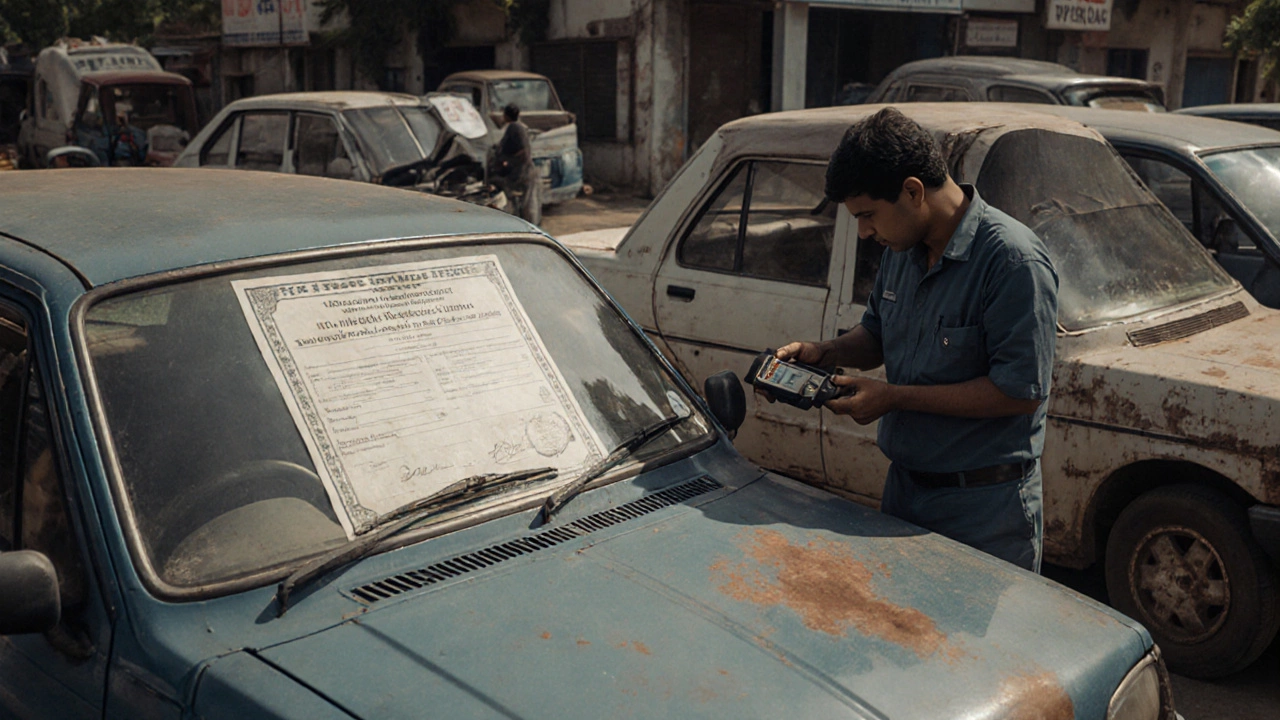
The vehicle scrappage policy, a nationwide program launched in 2021 that mandates fitness tests for vehicles over 15 years old and offers incentives to scrap them applies to all passenger cars, trucks, and commercial vehicles. If your car fails the mandatory fitness test—checking brakes, emissions, lights, and structural integrity—it can’t be legally driven. You won’t get fined just for owning an old car, but you’ll pay higher taxes, face tougher inspections, and eventually lose the right to use it on public roads. The policy doesn’t ban all old cars at once—it’s a slow, phased rollout. But the message is clear: if your car is over 15 years old and hasn’t been upgraded, it’s on borrowed time.
What happens when you scrap? You get a certificate, a small cash incentive (up to ₹50,000 for passenger vehicles), and a discount on a new car. That’s not just a reward—it’s a nudge toward buying locally made vehicles. Companies like Tata and Mahindra are already designing new models with scrappage incentives in mind. And it’s not just about cars. The policy also affects commercial fleets, auto rickshaws, and even two-wheelers in some states. The real win? Scrap yards are now turning old metal into new steel, creating jobs and cutting down on imports. This isn’t just environmental—it’s economic.
The emission norms India, strict pollution standards like BS-VI that all new vehicles must meet since 2020 are the backbone of this shift. Old cars, especially diesel ones from the 2000s, can’t match these standards. Even if you fix them, their engines can’t be upgraded to meet today’s limits. That’s why scrapping isn’t just about age—it’s about technology. A 20-year-old car might look fine, but under the hood, it’s a relic.
So what’s next? More cities will add restrictions. More states will offer extra cash for scrapping. And more people will trade in their old rides for new ones—especially electric vehicles, which are getting bigger discounts under this system. You don’t need to panic if you own an old car, but you do need to plan. Waiting too long means losing value, facing higher costs, and eventually being stuck with a vehicle you can’t legally drive. The clock is ticking. The question isn’t whether the old car ban India will happen—it’s already happening. The real question is: are you ready to move with it?
Below, you’ll find real guides, data, and stories from people who’ve already gone through the process—whether they scrapped their Maruti, upgraded their Tata, or just learned what they didn’t know about their own car’s lifespan.
Automobile Manufacturing
What Is the 15-Year Car Rule in India? Everything You Need to Know
- Aarav Sekhar
- Oct 30, 2025
The 15-year car rule in India requires vehicles over 15 years old to pass a fitness test to remain on the road. Learn how it works, what happens if you fail, and your options for scrapping or upgrading.