- Why IKEA Chose India: Unpacking the Swedish Giant's Expansion Strategy Jul 9, 2025
- Top Small Scale Manufacturing Business Trends in 2024 Dec 4, 2024
- How Much Do I Need to Start a Small Scale Manufacturing Business? Jun 4, 2025
- Start Manufacturing Your Idea: Step‑by‑Step Guide Oct 8, 2025
- Biggest Weaknesses of Small Scale Industry and How They Hold Back Growth Jun 24, 2025
New Textile Policy India: What It Means for Manufacturers and Exporters
When you hear new textile policy India, a government framework designed to boost domestic production, increase exports, and create jobs in the textile and apparel sector. It's not just rules on paper—it's changing how factories operate, who gets funding, and which brands can compete overseas. This policy isn’t about slowing things down. It’s about making India a real player in global fashion and fabric supply chains.
The textile manufacturing India, the backbone of the country’s industrial output, employing over 45 million people has been stuck in old ways for too long. Now, with incentives for modern machinery, tax breaks for exporters, and support for sustainable dyeing tech, small units are finally getting a shot. The garment export India, the process of selling finished clothing to markets like the US, EU, and UAE is no longer just about cheap labor. It’s about quality, speed, and compliance. Factories that used to rely on handloom or outdated looms are now upgrading to automated cutting systems and digital printing—all because the policy rewards it.
And it’s not just big players. If you run a small workshop in Tiruppur or Surat, this policy gives you access to credit, training, and even help with certifications needed to ship abroad. The Make in India textiles, a national push to design, produce, and brand clothing entirely within India is real. Brands that once imported zippers or buttons from China are now sourcing them from Gujarat or Tamil Nadu. The goal? Cut import bills, create local supply chains, and make India the next Vietnam for apparel.
What you’ll find below are real stories from people who’ve used this policy to grow. From a family-owned mill in Ludhiana that doubled its exports in 18 months, to a startup in Bangalore that landed a contract with a US retailer by meeting new sustainability standards. These aren’t theory pieces. They’re results. You’ll see what worked, what didn’t, and how to avoid the traps most new exporters fall into. Whether you’re making denim, knits, or technical fabrics, this policy changes the game. And the posts ahead show you exactly how to play it right.
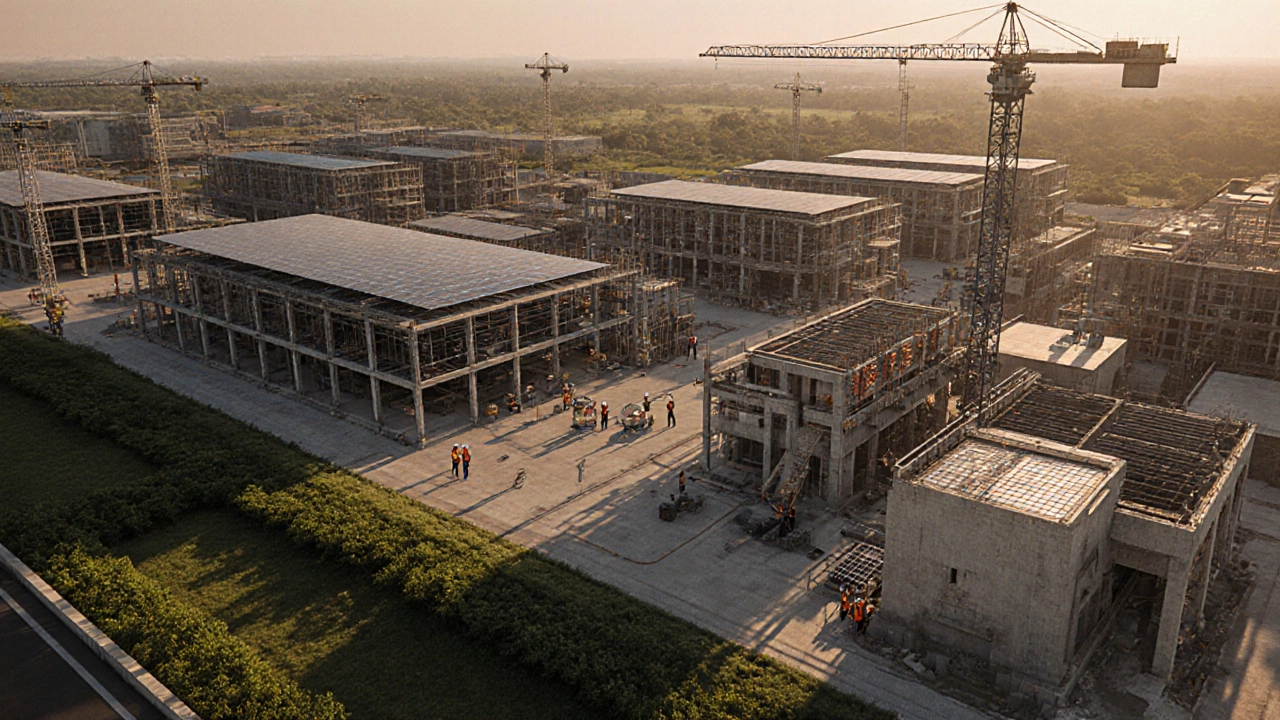
Textile Manufacturing
What Is India's New Textile Policy? Key Changes and How It Affects Manufacturers
- Aarav Sekhar
- Nov 18, 2025
India's new textile policy aims to boost exports to $100 billion by 2030 through cash incentives, seven new textile parks, and support for small manufacturers. Learn how it works and who benefits.