Manufacturing Business Profitability Calculator
Estimate your potential annual revenue and profit based on a £100k startup budget across different manufacturing niches.
Financial Projection
Annual Gross Revenue:
Estimated Gross Margin Range:
Annual Operating Costs:
Pre-Tax Profit:
Tax Amount:
Net Annual Profit:
ROI Insight: With a £100k initial investment, your estimated return on investment (ROI) in the first year is .
You have £100,000 sitting in your account. It’s a serious amount of money-enough to buy a nice car or take a few luxury holidays-but it’s also the perfect seed for a manufacturing business that can pay you dividends for decades. The big question isn’t just what you *can* build, but what will actually turn a profit in the current market. With inflation cooling and supply chains stabilizing in 2026, small-scale manufacturing is seeing a renaissance. Consumers and businesses alike are craving local production, faster turnaround times, and sustainable options.
Many people think manufacturing requires massive factories and millions in funding. That was true twenty years ago. Today, technology has democratized production. You can run a highly profitable operation from a converted warehouse or even a large garage. The key is choosing a niche where margins are high, overheads are low, and demand is sticky. Let’s look at the specific industries where your £100k goes the furthest.
Why Small-Scale Manufacturing Wins Right Now
The trend toward small scale manufacturing is a shift towards localized, agile production units that serve specific regional markets rather than global mass production is driven by three main factors: speed, sustainability, and customization. Big factories are slow to pivot. If a design fails, they lose millions. You? You lose nothing because you haven’t started yet. This agility allows you to test products quickly and adapt to trends before the giants catch on.
In the UK specifically, post-Brexit logistics and rising energy costs have made importing cheap goods less attractive for many B2B clients. They are willing to pay a premium for British-made components that arrive next day, not next month. Your £100k budget forces you to be lean. You won’t have room for waste. Every pound must go toward machinery that generates revenue immediately, not decorative office furniture.
Top Profitable Niches for a £100k Budget
Not all manufacturing is created equal. Some sectors have razor-thin margins (like basic commodity plastics), while others boast 40-60% gross margins. Here are the top contenders that fit within your financial constraint.
| Niche | Est. Startup Cost | Gross Margin | Key Advantage |
|---|---|---|---|
| Specialty Food Processing | £60k - £90k | 35% - 50% | Recurring revenue, brand loyalty |
| Custom Metal Fabrication | £80k - £100k | 25% - 40% | B2B contracts, long-term stability |
| Biodegradable Packaging | £70k - £95k | 40% - 55% | Regulatory tailwinds, eco-demand |
| Niche Electronics Assembly | £50k - £80k | 30% - 45% | High value per unit, low volume |
1. Specialty Food Processing: The Cash Flow King
If you want consistent cash flow, food is hard to beat. People eat every day. But don’t start a generic bakery; the competition is fierce and margins are thin. Instead, focus on specialty food processing is the creation of unique, high-value food products such as artisanal sauces, plant-based meats, or functional snacks that command premium prices.
Consider producing cold-pressed juices, gourmet hot sauces, or gluten-free baked goods for local supermarkets. With £100k, you can lease a compliant kitchen facility (saving on build-out costs), purchase industrial-grade mixers and pasteurizers, and invest heavily in branding. The secret here is distribution. Don’t rely solely on farmers' markets. Secure contracts with independent grocery stores or subscribe-to-box services. A single contract with a regional chain can stabilize your income for years. Remember, food safety regulations in the UK are strict, so budget for certification and quality control systems from day one.

2. Custom Metal Fabrication: Building the Backbone
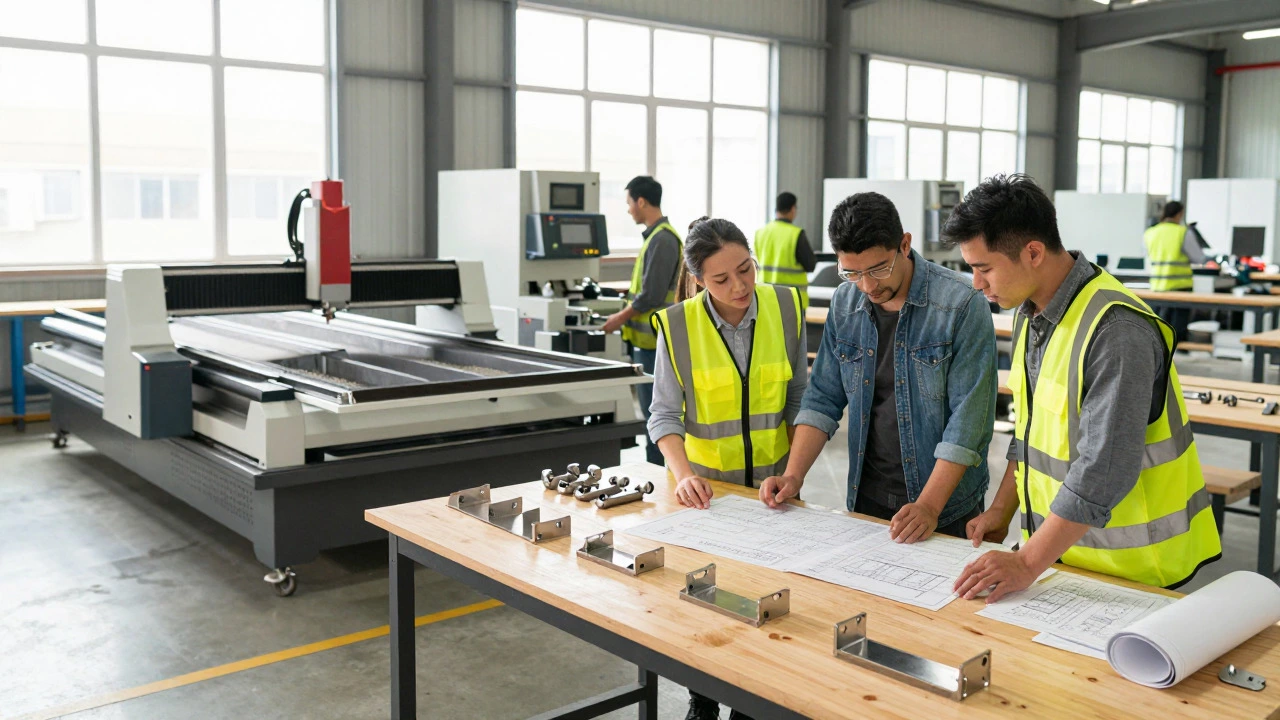
The construction and engineering sectors never stop needing parts. Custom metal fabrication is the process of cutting, bending, and assembling metals like steel and aluminum to create structural components or custom parts. This is not about making nails; it’s about making brackets, frames, and enclosures for other businesses.
Your £100k can buy a used CNC plasma cutter, a press brake, and a MIG welding station. These machines are robust and hold their value well. The beauty of this business is that you sell to other companies (B2B). Once you prove your reliability, these clients stick around. For example, a local solar panel installer might need custom mounting brackets. You become their exclusive supplier. The margin comes from your skill and precision, not just the raw material cost. Steel prices fluctuate, so always price your jobs with a buffer for material variance.
3. Biodegradable Packaging: Riding the Green Wave
Plastic bans are tightening across Europe. Companies are desperate for alternatives. Biodegradable packaging is packaging materials derived from renewable resources like cornstarch, bagasse, or mushrooms that decompose naturally without harming the environment. This sector is booming because it’s no longer optional for many brands; it’s a legal requirement.
You can start by manufacturing compostable mailers, takeaway containers, or protective cushioning peanuts. The machinery involves heat presses and molding equipment. While the initial setup is pricey, the selling point is powerful. You’re not just selling a box; you’re selling compliance and brand image to your customers. Target e-commerce businesses and restaurants. Their pain point is immediate: they need to replace plastic now. Your solution is ready-made. The margins are higher because you’re solving a regulatory headache, not just providing a container.
4. Niche Electronics Assembly: High Value, Low Volume
You don’t need to build smartphones. Think smaller. Niche electronics assembly is the specialized manufacturing of small electronic components or devices for specific industries like medical devices, automotive sensors, or IoT gadgets. Many startups design cool tech but lack the factory to build it. You can be their partner.
With £100k, you can set up a clean-room environment, purchase pick-and-place machines for circuit boards, and testing equipment. Focus on a specific vertical, such as PCB assembly for agricultural sensors or custom wiring harnesses for electric vehicles. The volume is lower than food or packaging, but each unit sells for significantly more. One batch of 500 smart home controllers can generate tens of thousands in revenue. The barrier to entry is technical knowledge, so hiring a skilled engineer early is crucial.
Allocating Your £100k Wisely
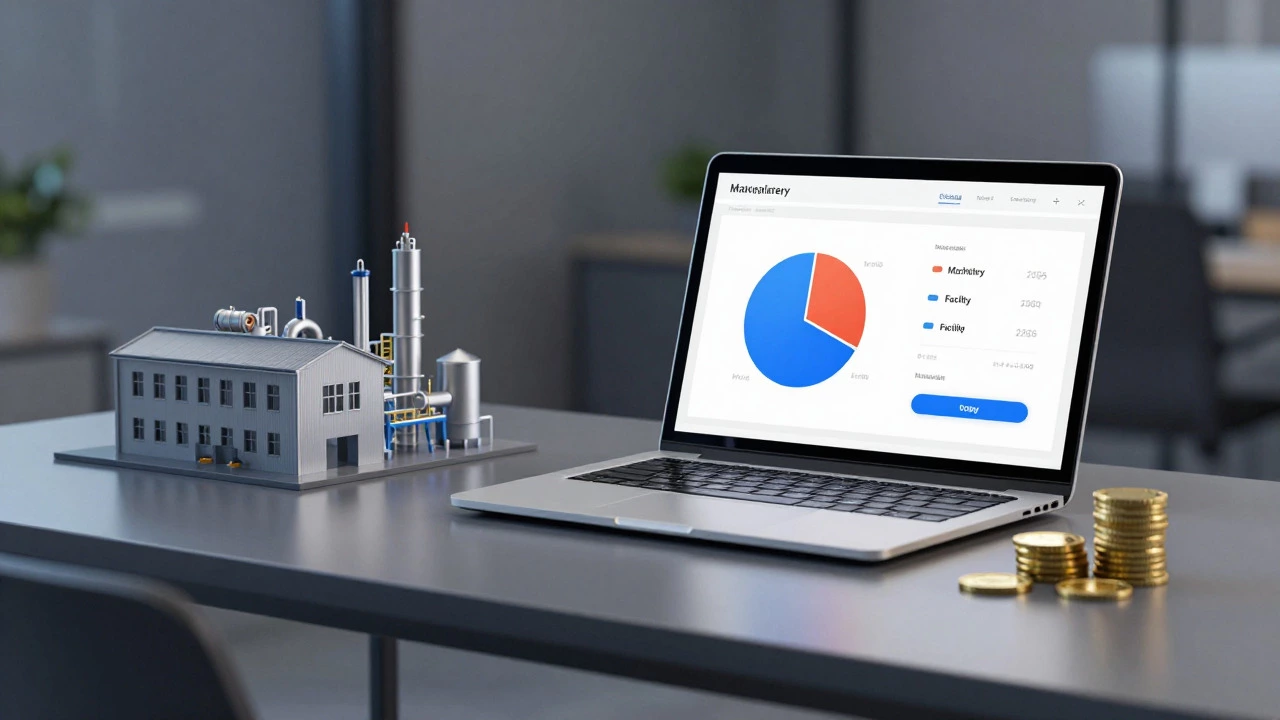
A common mistake is spending 90% of your budget on machinery and having nothing left for marketing or working capital. Manufacturing is a cash-flow game. You often pay suppliers upfront but get paid by clients in 30-60 days. Here’s a balanced breakdown:
- Machinery & Equipment (40%): Buy reliable used equipment where possible. New isn’t always better if it eats your runway.
- Facility & Setup (20%): Rent a flexible space. Look for zones with good transport links. Budget for electrical upgrades and ventilation.
- Raw Materials Inventory (15%): Keep enough stock to fulfill your first orders without delay.
- Marketing & Sales (15%): Build a professional website, attend trade shows, and perhaps hire a freelance sales rep on commission.
- Working Capital Buffer (10%): This is your safety net for unexpected repairs or slow-paying clients.
Overcoming Common Pitfalls
Even the best business idea can fail due to poor execution. Avoid these traps:
Underpricing your labor. Many new manufacturers charge based on material cost plus a small markup. You must factor in your time, machine depreciation, and overheads. If you aren’t paying yourself a salary, you aren’t running a business; you’re volunteering.
Ignoring maintenance. Machines break. Schedule preventive maintenance religiously. A broken press brake stops your revenue stream instantly. Keep spare parts on hand.
Scaling too fast. Don’t buy bigger machines until you’ve outgrown your current ones consistently for six months. Growth should be funded by profits, not debt.
Next Steps for Your Manufacturing Journey
Starting with £100k is a privilege. It gives you freedom that larger investors rarely enjoy. You can move fast, make decisions instantly, and pivot when necessary. The most profitable business isn’t necessarily the one with the biggest revenue; it’s the one with the healthiest margins and the strongest customer relationships.
Begin by validating your niche. Talk to potential customers before you buy a single machine. Ask them what problems they face with their current suppliers. Then, build a solution that solves those specific pains. Whether you choose food, metal, packaging, or electronics, the principles remain the same: quality, reliability, and efficiency. Your journey starts not with a factory, but with a conversation.
Is £100k enough to start a manufacturing business in the UK?
Yes, £100k is sufficient for small-scale manufacturing niches like specialty food processing, custom metal fabrication, or biodegradable packaging. It allows for purchasing essential machinery, leasing a modest facility, and covering initial operating costs. However, it requires careful budgeting to ensure you have enough working capital for the first 6-12 months.
What is the highest margin manufacturing business?
Specialty food processing and biodegradable packaging often offer the highest gross margins, ranging from 40% to 60%. These sectors benefit from premium pricing due to brand value, health trends, or regulatory demands. Electronics assembly can also yield high margins if focused on niche, high-value components.
Do I need a factory to start small-scale manufacturing?
Not necessarily. Many small-scale manufacturers start in converted warehouses, large garages, or shared industrial spaces. Leasing a smaller, flexible unit reduces overhead costs. Ensure the space meets local zoning laws and has adequate power and ventilation for your specific machinery.
How do I find customers for my manufactured products?
Start by identifying local businesses with supply chain pain points. Attend industry trade shows, join relevant LinkedIn groups, and leverage online B2B marketplaces. For food products, approach independent retailers and farmers' markets. For industrial parts, target local contractors and engineering firms directly with samples and competitive quotes.
What are the main risks in small-scale manufacturing?
Key risks include cash flow shortages due to delayed payments, equipment failure disrupting production, and underpricing services. Mitigate these by maintaining a working capital buffer, scheduling regular machine maintenance, and accurately calculating all costs including labor and overheads before setting prices.